

The camera naturally follows the ball, which makes a forward’s most useful work surprisingly easy to miss. A run that creates space may finish without a pass, a shot or even a touch. Watching a player away from possession reveals why some attacks develop smoothly and why others leave the midfield with nowhere useful to send the ball.
Follow the defender as well as the attacker
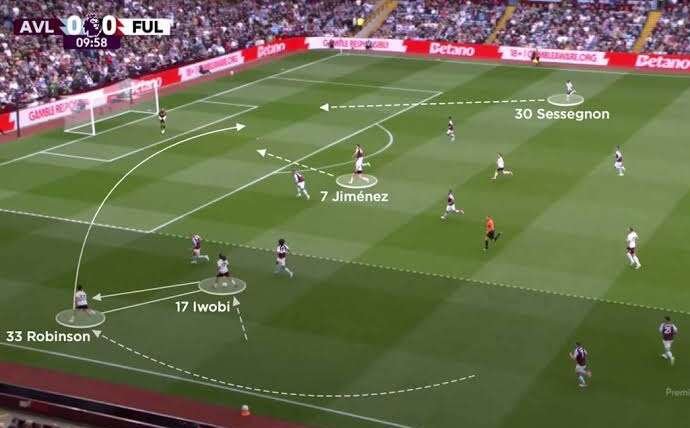
Start with the relationship between a forward and the nearest defender. If the attacker moves toward the ball, does the defender follow? If so, another player may gain space behind. If the defender holds position, the forward may become available between the lines. The value of the movement depends on the response it produces, not simply on how far the player runs.
A sideways run can be just as important as a sprint toward goal. Moving across a defender’s field of vision may create hesitation about who should take responsibility. Watch whether a teammate recognises that hesitation and changes direction at the same moment. Coordination turns separate movements into an attacking pattern.
Scoring records show only the final layer
Finishing remains essential, but the chance often begins several actions earlier. A striker may occupy two defenders so a teammate can arrive unmarked. On another attack, the same player may stay still because moving would close a useful passing lane. Judging every quiet passage as poor effort misses these different responsibilities.
The discussion of international scoring achievements is a useful companion to watching those roles. Career totals describe the outcome of many attacks; observing movement helps explain how a team creates the conditions for those outcomes. Neither perspective needs to replace the other.
Notice what happens after possession is lost
The forward’s next decision can affect whether the opposition escapes easily. One player may approach the ball carrier while another blocks a pass into midfield. An energetic chase without supporting teammates can leave an easy route around the pressure. Look at the shape of the group before praising or criticising an individual’s sprint.
This is also why a forward can appear less active while carrying out a specific task. Holding a position may discourage a pass the camera never shows. Repeated patterns offer stronger evidence than one isolated moment, especially when the broadcast angle hides players on the far side.
Turn viewing into a simple observation exercise
Choose one forward for five minutes and track three things: where they start, which defender reacts and what space becomes available. Then return to the ball and see whether the team uses that space. The football reading archive can provide further context for the players and roles that catch your attention. You do not need complex data to begin; a specific question makes ordinary match viewing much more revealing.