
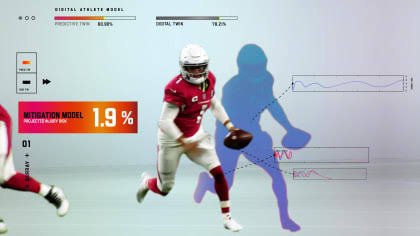

The phrase digital athlete model can sound as though a computer has created a complete version of a person. A more useful starting point is to think of a model as an organised representation built from selected information. It can help people explore questions, but its conclusions depend on the data, assumptions and purpose behind it. It is not a substitute for observing the athlete.
Begin with the question
A model designed to describe movement is not automatically suitable for judging every aspect of performance. Before looking at an output, ask what the system is trying to explain. Is it comparing repeated actions, showing a pattern over time or exploring how a change might affect a particular task?
The introduction to digital twins in sports training provides background on the concept. The useful distinction is between a representation and the real person it describes. No collection of measurements includes every detail of a player’s experience, decision-making or surroundings, so the limits of the model need to remain visible.
Data needs context
Two measurements can look similar while coming from different situations. An action performed in a controlled session may involve different choices from the same action during a competitive match. Weather, space, opponents and instructions can all change what a player is trying to achieve. Comparing results without that context may create a pattern that is easy to misinterpret.
Missing or inconsistent information creates another problem. An attractive chart can conceal gaps if the reader does not know which sessions were included. Clear labels, dates and explanations help make the output understandable. The presentation should make uncertainty easier to recognise, rather than make the conclusion appear more precise than the evidence allows.
Technique is only one part of execution
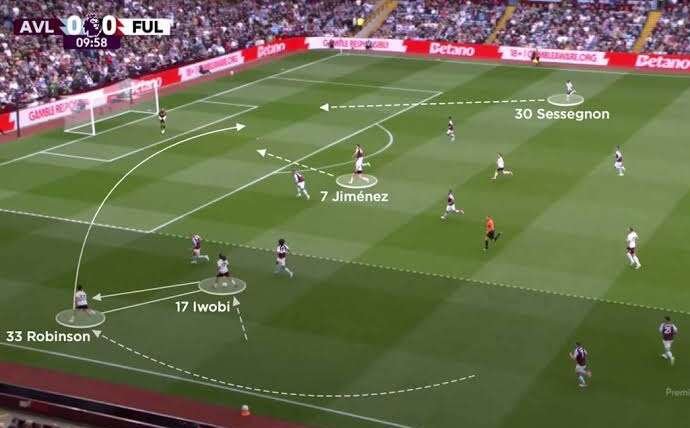
Consider a football free kick. The physical action matters, but so do the position of the ball, the wall and the movement of teammates. A model focused on striking technique cannot answer every tactical question around the attempt. The player must still choose an option suited to the situation.
The feature on football free-kick specialists offers a sporting example to keep in mind when considering those layers. Repeating a recognisable technique is different from reproducing the whole match situation in which a memorable goal was scored.
Use outputs to support better questions
The strongest use of a model is often to identify something worth examining more closely. An unexpected pattern may prompt a conversation, a video review or a check of the original measurements. That is more constructive than treating an output as an unquestionable verdict. Keep the purpose clear, understand what was measured and leave room for informed human judgment about the athlete and the circumstances