

A highlight usually ends with the most dramatic action: a save, a goal or a missed chance. That ending can distract from the sequence that made it possible. Looking back a few passes reveals the choices that moved defenders, opened space and allowed the shooter to receive the ball. It is a simple way for supporters to get more from a replay.
Begin before the obvious turning point
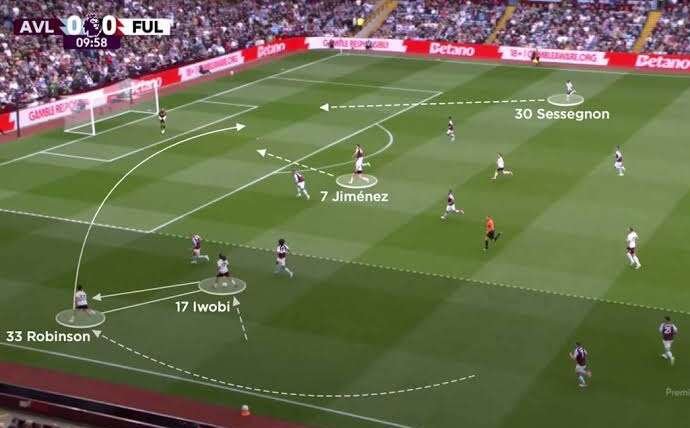
Instead of starting when the attacker enters the penalty area, identify the first moment the defending shape changes. A defender may step forward, a midfielder may follow a runner, or the ball may move quickly from one side to the other. These actions create the conditions for what happens next.
Then ask whether the attacking team recognised the opening immediately. A useful run can lose its value if the pass arrives too late. Equally, a player may hold possession for an extra moment to encourage the defender to commit. The same pause can be helpful or harmful depending on the surrounding movement.
Use the replay to answer one question
Trying to track every player at once makes analysis harder. Choose a single question, such as how the winger became free or why the centre-back left the defensive line. Rewatch with that question in mind, then widen the view to see which teammates supported the action.
For background on the tools behind detailed review, the article on football video and performance technology introduces the broader subject. Fans do not need professional software to begin. A clear question and a view of the buildup are often more useful than repeatedly watching the finish at slower speed.
Separate the decision from the outcome
A well-chosen pass can be poorly executed, while a difficult shot can occasionally produce a goal. Judging every decision only by its result can hide those distinctions. Consider the options available at the moment: nearby defenders, supporting teammates and the time the player had to act.
This does not mean removing emotion from watching football. It means adding another layer to it. Recognising a clever supporting movement can make a goal more enjoyable, while understanding a missed opportunity can make criticism more precise and less dependent on the final replay.
Share an explanation others can follow
Football reaches people with very different levels of tactical knowledge. The discussion of football’s worldwide appeal provides useful context for that broad audience. When explaining an attack, describe concrete actions: who moved, who followed and which space opened. Avoid assuming everyone uses the same tactical vocabulary. A short, visible sequence of cause and effect is easier to assess than an elaborate label, and it gives other supporters a fair opportunity to disagree with the analysis