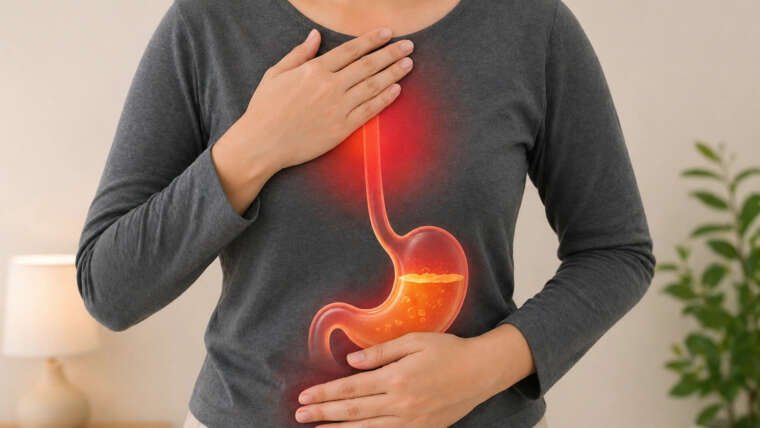

Upper gastrointestinal (GI) disorders are medical conditions that affect the upper part of the digestive system, including the esophagus, stomach, and duodenum (the first section of the small intestine). These organs play an essential role in swallowing food, breaking down nutrients, and supporting healthy digestion. When any part of the upper digestive tract becomes irritated, inflamed, or damaged, it can lead to discomfort and various digestive problems.
Upper GI disorders affect millions of people worldwide and range from common conditions, such as acid reflux and gastritis, to more serious problems, including peptic ulcers and upper gastrointestinal bleeding. Understanding their symptoms, causes, and available treatments can help individuals seek appropriate medical care.
- What Are Upper GI Disorders?
Upper GI disorders refer to a group of digestive conditions involving the esophagus, stomach, and duodenum. These conditions can interfere with normal digestion and cause symptoms such as heartburn, abdominal pain, nausea, vomiting, bloating, and difficulty swallowing.
Some upper GI disorders develop because of infections, while others are associated with inflammation, stomach acid, medication use, lifestyle factors, or structural abnormalities.
Common upper GI disorders include:
- Gastroesophageal reflux disease (GERD).
- Gastritis.
- Peptic ulcer disease.
- Functional dyspepsia.
- Hiatal hernia.
- Esophagitis.
- Gastroparesis.
- Upper gastrointestinal bleeding.
Each condition has different causes and treatment requirements.
- Common Types of Upper GI Disorders
Gastroesophageal Reflux Disease (GERD)
GERD occurs when stomach contents repeatedly flow backward into the esophagus. This happens when the lower esophageal sphincter does not function properly.
Common symptoms include heartburn, acid regurgitation, chest discomfort, and difficulty swallowing. Some individuals also experience chronic coughing or throat irritation.
Treatment may include lifestyle changes, avoiding trigger foods, weight management when appropriate, and medications that reduce stomach acid.
Gastritis
Gastritis refers to inflammation of the stomach lining. It may develop suddenly or gradually over time.
Common causes include Helicobacter pylori (H. pylori) infection, excessive alcohol consumption, and frequent use of nonsteroidal anti-inflammatory drugs (NSAIDs), such as ibuprofen.
Symptoms may include upper abdominal discomfort, nausea, vomiting, bloating, and indigestion. Treatment depends on the underlying cause and may involve medication adjustments, acid-reducing medicines, or antibiotics for H. pylori infection.
Peptic Ulcer Disease
Peptic ulcers are open sores that develop in the lining of the stomach or duodenum.
The most common causes are H. pylori infection and long-term use of certain pain-relieving medications, particularly NSAIDs.
Symptoms can include burning stomach pain, nausea, bloating, and discomfort between meals or during the night. Serious complications may include internal bleeding or perforation.
Treatment usually involves acid-suppressing medication and, when necessary, antibiotics to eliminate H. pylori.
Functional Dyspepsia
Functional dyspepsia is a digestive condition characterized by recurring indigestion without an identifiable structural explanation on routine testing.
Symptoms include feeling full quickly, uncomfortable fullness after eating, upper abdominal pain, and burning sensations.
Management may involve dietary adjustments, medications, and treatment strategies tailored to individual symptoms.
- Common Symptoms of Upper GI Disorders
Symptoms vary depending on the specific digestive condition and its severity. However, several warning signs commonly occur across different upper GI disorders.
These include:
- Persistent heartburn or acid reflux.
- Pain or discomfort in the upper abdomen.
- Frequent nausea or vomiting.
- Difficulty swallowing food or liquids.
- Excessive belching and bloating.
- Feeling full after eating small amounts.
- Loss of appetite.
- Unexplained weight loss.
Certain symptoms require urgent medical attention. Vomiting blood, passing black tarry stools, severe sudden abdominal pain, fainting, or signs of significant blood loss may indicate a serious complication.
- Causes and Risk Factors
Upper GI disorders can develop due to several factors. Identifying the underlying cause is important for selecting appropriate treatment.
Common risk factors include:
- pylori Infection: This bacterium can damage the protective stomach lining and contribute to gastritis and peptic ulcers.
Medication Use: Regular use of NSAIDs can irritate the digestive tract and increase the risk of ulcers and bleeding.
Dietary Habits: Certain foods, including spicy, fatty, or acidic meals, may trigger symptoms in susceptible individuals.
Smoking and Alcohol: Both can aggravate digestive symptoms and contribute to gastrointestinal damage.
Obesity: Excess body weight can increase abdominal pressure and contribute to acid reflux.
Stress: Psychological stress can worsen digestive symptoms, although it is not the primary cause of most structural upper GI diseases.
- Diagnosis of Upper GI Disorders
Healthcare professionals use different diagnostic methods depending on a patient’s symptoms and medical history.
Common diagnostic procedures include:
- Upper GI Endoscopy: A flexible camera is used to examine the esophagus, stomach, and duodenum.
- H. pylori Testing: Breath, stool, or biopsy tests can identify H. pylori infection.
- Blood Tests: These may help detect anemia, infection, or other underlying problems.
- Imaging Studies: Certain imaging tests may help identify structural abnormalities.
- Esophageal pH Monitoring: This test measures acid exposure in the esophagus and can help evaluate GERD.
An accurate diagnosis helps doctors distinguish between different digestive conditions and recommend suitable treatment.
- Treatment and Management Options
Treatment depends on the type, severity, and underlying cause of the disorder.
Common treatment approaches include:
- Proton Pump Inhibitors (PPIs): Medications such as omeprazole reduce stomach acid production.
- H2-Receptor Blockers: These medications help decrease stomach acid.
- Antibiotics: Used in combination with acid-suppressing treatment to eliminate H. pylori.
- Antacids: Provide temporary relief from occasional heartburn and indigestion.
- Lifestyle Modifications: Smaller meals, avoiding personal food triggers, and not lying down immediately after eating may improve symptoms.
- Surgical Procedures: Selected patients with severe or complicated conditions may require surgery.
Treatment should always be guided by a qualified healthcare professional.
- Prevention and Healthy Digestive Habits
Although not all upper GI disorders can be prevented, certain lifestyle habits may reduce the risk of digestive problems.
Eating balanced meals, maintaining a healthy weight, limiting alcohol consumption, avoiding smoking, and using pain-relieving medications responsibly can support digestive health.
People experiencing frequent heartburn, persistent abdominal pain, or ongoing indigestion should seek medical evaluation rather than relying on repeated self-medication.
Conclusion
Upper GI disorders are common digestive conditions that can significantly affect comfort, nutrition, and overall quality of life. Conditions such as GERD, gastritis, peptic ulcers, and functional dyspepsia have different causes, symptoms, and treatment options.
Early diagnosis, appropriate medical care, and healthy lifestyle choices can help manage symptoms and prevent complications. Recognizing warning signs and consulting a healthcare professional when digestive problems persist are important steps toward maintaining long-term gastrointestinal health.