

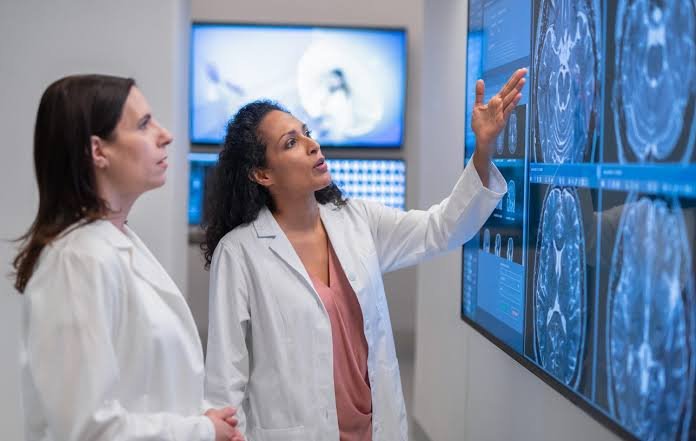

Brain and spine disorders can affect every aspect of your daily life, from your ability to work and exercise to simply enjoying time with your family. If you experience chronic back pain, persistent neck pain, numbness, weakness, or neurological symptoms, seeking care from a Board Certified Neurosurgeon Kyle, TX can help you receive an accurate diagnosis and personalized treatment plan. Likewise, patients searching for a Board Certified Neurosurgeon Buda, TX deserve expert care backed by advanced training and years of experience.
At Brain and Spine Institute San Antonio, Texas, patients receive comprehensive evaluation and treatment for a wide range of brain and spine conditions. Whether your condition requires conservative care, minimally invasive surgery, or a more complex procedure, choosing a board-certified neurosurgeon ensures you’re receiving treatment based on the latest medical standards.
In this guide, we’ll discuss the most common brain and spine conditions treated by neurosurgeons, symptoms to watch for, available treatment options, and when it’s time to schedule an evaluation.
What Does a Board-Certified Neurosurgeon Treat?
A board-certified neurosurgeon specializes in diagnosing and treating disorders affecting the:
- Brain
- Spine
- Peripheral nerves
- Spinal cord
Although many people assume neurosurgeons only perform brain surgery, they actually treat a broad range of spinal disorders, nerve conditions, traumatic injuries, tumors, and degenerative diseases.
Board certification demonstrates advanced education, specialized surgical training, and ongoing commitment to providing high-quality patient care.
Common Spine Conditions Treated by a Neurosurgeon
- Herniated Disc
A herniated disc occurs when the soft center of a spinal disc pushes through its outer layer, placing pressure on nearby nerves.
Common Symptoms
- Lower back pain
- Neck pain
- Sciatica
- Tingling
- Numbness
- Leg weakness
Treatment options may include:
- Physical therapy
- Medications
- Epidural injections
- Minimally invasive spine surgery when conservative care fails
- Spinal Stenosis
Spinal stenosis develops when the spinal canal narrows, compressing the spinal cord or nerves.
Symptoms
- Difficulty walking
- Leg pain
- Balance problems
- Numbness
- Weakness
Early diagnosis can prevent worsening neurological symptoms and improve mobility.
- Degenerative Disc Disease
As people age, spinal discs naturally lose flexibility and hydration.
Patients may experience:
- Chronic neck pain
- Lower back pain
- Reduced flexibility
- Radiating pain
Treatment depends on symptom severity and may range from conservative therapies to advanced surgical procedures.
- Sciatica
Sciatica is one of the most common reasons patients seek evaluation from a neurosurgeon.
Symptoms include:
- Sharp pain down one leg
- Burning sensation
- Tingling
- Weakness
- Difficulty standing
Identifying the underlying cause is essential for successful treatment.
- Spondylolisthesis
This condition occurs when one vertebra slips forward over another.
Common signs include:
- Persistent lower back pain
- Muscle tightness
- Leg pain
- Difficulty walking
Some patients improve with conservative care, while others benefit from spinal stabilization surgery.
Common Brain Conditions Treated by a Neurosurgeon
Brain Tumors
Brain tumors may be benign or malignant and often require specialized treatment.
Symptoms vary but commonly include:
- Persistent headaches
- Vision changes
- Seizures
- Weakness
- Memory issues
- Speech problems
Treatment may involve:
- Monitoring
- Surgical removal
- Radiation therapy
- Multidisciplinary care
Traumatic Brain Injury
Head injuries resulting from falls, sports injuries, or automobile accidents can cause significant neurological damage.
Warning signs include:
- Loss of consciousness
- Confusion
- Severe headaches
- Vomiting
- Memory loss
- Difficulty concentrating
Prompt evaluation is essential.
Hydrocephalus
Hydrocephalus occurs when excess cerebrospinal fluid accumulates within the brain.
Symptoms may include:
- Walking difficulties
- Headaches
- Memory problems
- Vision changes
- Balance issues
Treatment often involves surgical placement of a shunt or other procedures to restore normal fluid flow.
Brain Aneurysm
A brain aneurysm is a weakened blood vessel that may rupture if left untreated.
Symptoms can include:
- Sudden severe headache
- Double vision
- Neck pain
- Nausea
- Loss of consciousness
Early diagnosis can be life-saving.
Peripheral Nerve Disorders
Neurosurgeons also treat nerve-related conditions such as:
- Carpal Tunnel Syndrome
- Ulnar nerve compression
- Peripheral nerve injuries
- Nerve tumors
Treatment focuses on relieving nerve compression while restoring strength and function.
When Should You See a Board Certified Neurosurgeon?
Many patients delay seeking care, hoping symptoms will improve on their own.
You should schedule an evaluation if you experience:
- Persistent back pain lasting several weeks
- Chronic neck pain
- Pain radiating into arms or legs
- Numbness or tingling
- Muscle weakness
- Loss of coordination
- Frequent headaches
- Balance problems
- Changes in bladder or bowel control
- Difficulty walking
Early treatment often leads to better outcomes and may help avoid more extensive procedures.
Advanced Treatment Options
Modern neurosurgery offers many treatment approaches beyond traditional open surgery.
Depending on your diagnosis, treatment may include:
Conservative Care
- Medication management
- Physical therapy
- Lifestyle modifications
- Pain management
Minimally Invasive Spine Surgery
Benefits include:
- Smaller incisions
- Less tissue damage
- Reduced pain
- Shorter recovery
- Faster return to normal activities
Complex Brain Surgery
Advanced imaging and surgical technology allow neurosurgeons to perform highly precise procedures while protecting surrounding brain tissue.
Why Choose a Board-Certified Neurosurgeon?
Choosing a board-certified specialist provides confidence that your surgeon has completed:
- Extensive medical education
- Neurosurgical residency training
- Rigorous certification requirements
- Ongoing professional education
Patients benefit from evidence-based care and individualized treatment recommendations.
Serving Patients in Kyle and Buda, TX
Residents searching for a Board Certified Neurosurgeon Kyle, TX or a Board Certified Neurosurgeon Buda, TX deserve convenient access to experienced neurological care.
Whether you’re dealing with chronic spine pain, a brain disorder, or a nerve condition, receiving a comprehensive evaluation is the first step toward recovery.
At Brain and Spine Institute San Antonio, Texas, patients receive compassionate care, advanced diagnostics, and personalized treatment plans designed to improve quality of life.
Tips for Maintaining Brain and Spine Health
You can reduce your risk of certain brain and spine problems by following healthy habits:
- Maintain good posture
- Exercise regularly
- Lift heavy objects correctly
- Maintain a healthy weight
- Avoid smoking
- Stay physically active
- Wear protective equipment during sports
- Manage chronic health conditions
- Schedule routine medical checkups
These preventive measures can support long-term neurological and spinal health.
Conclusion
Brain and spine conditions can range from mild discomfort to complex neurological disorders that significantly affect daily life. Seeking timely evaluation from a Board Certified Neurosurgeon Kyle, TX or a Board Certified Neurosurgeon Buda, TX ensures that you receive an accurate diagnosis and a treatment plan tailored to your unique needs.
At Brain and Spine Institute San Antonio, Texas, patients benefit from advanced technology, comprehensive evaluations, and personalized care for a wide range of neurological and spinal conditions. Whether you’re experiencing persistent back pain, neck pain, nerve symptoms, or concerns about a brain condition, expert care can make a meaningful difference in your recovery and quality of life.
Call Brain and Spine Institute San Antonio, Texas today at (210) 625-4733 to schedule your consultation and take the first step toward better brain and spine health.
Frequently Asked Question:
What conditions does a board-certified neurosurgeon treat?
A board-certified neurosurgeon treats brain tumors, herniated discs, spinal stenosis, degenerative disc disease, sciatica, traumatic brain injuries, nerve compression disorders, and other brain and spine conditions.
Do I need surgery for back pain?
Not always. Many patients improve with physical therapy, medications, or injections. Surgery is generally considered when conservative treatments fail or neurological symptoms worsen.
What are the signs that I should see a neurosurgeon?
Persistent neck or back pain, numbness, tingling, muscle weakness, balance issues, severe headaches, or changes in bowel or bladder function should be evaluated promptly.
What are the benefits of minimally invasive spine surgery?
Minimally invasive procedures typically involve smaller incisions, reduced blood loss, less postoperative pain, shorter hospital stays, and faster recovery compared to traditional surgery.
- How do I schedule an appointment with Brain and Spine Institute San Antonio, Texas?
You can call (210) 625-4733 to schedule a consultation and discuss your symptoms with an experienced neurosurgical team.