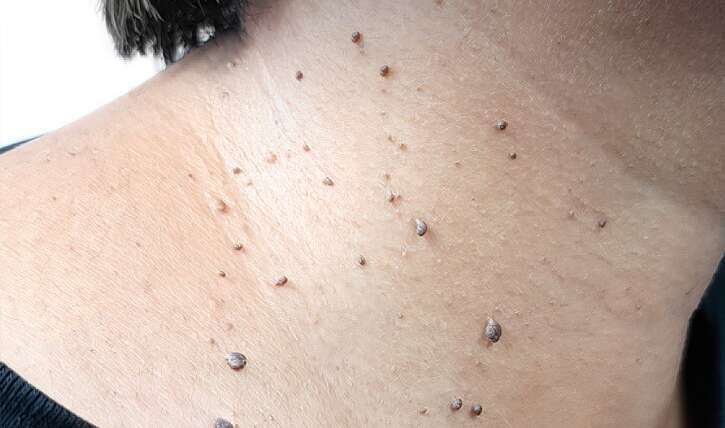

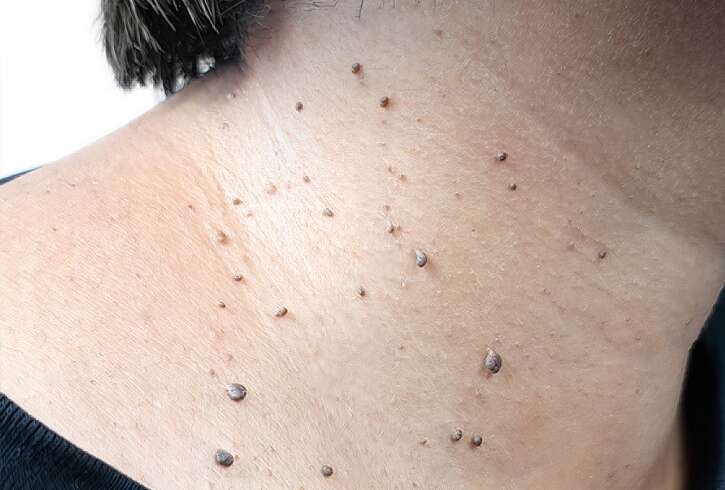

Skin tags are small, soft growths that commonly develop in areas where skin rubs against skin or clothing. They may appear on the neck, underarms, eyelids, beneath the breasts, groin folds, or other parts of the body where friction is frequent. Although skin tags are generally harmless, those located in sensitive areas can cause discomfort, interfere with personal grooming, or become a cosmetic concern. Before considering removal, it is important to establish what the growth is, where it is located, and which treatment approach is appropriate.
At Bodyvie Clinic, understanding an individual’s skin concern begins with a careful assessment. Skin Tag Removal in London involves more than simply identifying a visible growth. Its appearance, size, location, surrounding skin condition, and the person’s expectations all contribute to the evaluation process. Sensitive areas require particular attention because the skin may be thinner, more delicate, or exposed to regular friction.
Understanding how skin tags are assessed before treatment can help individuals feel more prepared for a consultation and make informed decisions about their skin care.
Why Do Skin Tags in Sensitive Areas Need Careful Evaluation?
Skin tags can develop in many parts of the body, but their location often influences how they are assessed. A small growth on the neck may present different considerations from one near the eyelid, beneath the breast, or within a groin fold.
Sensitive areas can have specific characteristics that influence the assessment. For example, eyelid skin is delicate and lies close to the eye, while skin around the groin may experience moisture, movement, and repeated friction. Underarm growths can also rub against clothing or be disturbed during shaving.
During a consultation, the practitioner considers the precise location of the growth and its relationship to the surrounding skin. This helps establish whether the lesion appears consistent with a skin tag and whether a particular removal method is suitable.
The purpose of this evaluation is to identify the nature of the growth and select an approach based on the individual’s skin and circumstances rather than treating every skin tag in the same way.
How Is a Skin Tag Identified Before Removal?
The first step in Skin Tag Treatment London is determining whether the visible growth is actually a skin tag. Skin tags, medically known as acrochordons, are usually soft, flesh-coloured or slightly darker growths that may hang from the skin on a narrow stalk.
However, other skin conditions can sometimes resemble skin tags. Certain moles, warts, seborrhoeic keratoses, and other skin lesions may have a similar appearance. A growth that has changed in appearance or does not have typical skin tag characteristics may require further investigation before any removal is considered.
Examining the Appearance of the Growth
The practitioner assesses the shape, colour, surface, and general appearance of the lesion. Typical skin tags are often smooth and soft, although their size and colour can vary.
The assessment also considers whether the growth appears to have a narrow attachment to the skin or a broader base. These details can help inform the clinical judgement about the type of lesion and the possible treatment options.
Considering Changes Over Time
Individuals may be asked when they first noticed the growth and whether it has changed in size, colour, shape, or texture. A longstanding, stable skin tag may be assessed differently from a new or changing lesion.
A growth that bleeds without an obvious explanation, develops an irregular appearance, becomes persistently painful, or changes noticeably should be evaluated before cosmetic removal is planned. Depending on the findings, the practitioner may recommend further assessment or referral rather than proceeding directly with treatment.
Correct identification is an essential part of the process because not every skin growth should be removed as a skin tag.
How Does the Exact Location Influence the Assessment?
The location of a skin tag can influence both the examination and the choice of removal method. Each sensitive area has its own anatomical features, Skin Tag Removal Clinic London and the practitioner considers these when deciding how to proceed.
Skin Tags Around the Eyelids
Skin tags near the eyelids require particular care because the surrounding skin is thin and the growth may be close to the eye. The practitioner evaluates its position, size, attachment, and relationship to the eyelid margin.
The assessment helps determine whether the lesion can be managed appropriately in the clinic or whether specialist eye-related expertise is needed. The proximity of the eye means that the removal method and setting must be selected carefully.
Skin Tags in the Underarms
The underarms are exposed to movement, perspiration, deodorants, and regular shaving. A skin tag in this area may become irritated through repeated contact with clothing or grooming equipment.
During the consultation, the practitioner examines the growth and the surrounding skin, including whether there is evidence of irritation or inflammation. The condition of the skin may influence the timing and suitability of treatment.
Skin Tags Beneath the Breasts
Skin folds beneath the breasts can experience warmth, moisture, and friction. These factors may contribute to local irritation and can make it important to distinguish a skin tag from other skin changes.
The practitioner considers the lesion’s location, whether it is being repeatedly rubbed, and whether the surrounding skin is intact. This information helps guide the next steps.
Skin Tags Around the Groin
Growths in the groin or other intimate areas may require a particularly discreet and sensitive approach. The practitioner assesses the lesion’s appearance, exact position, and surrounding skin condition.
Because several types of skin lesions can occur in this region, accurate identification is especially important. The consultation should establish whether the growth is consistent with a skin tag or whether additional examination is needed.
An appropriate assessment also gives the individual an opportunity to discuss any concerns about privacy, comfort, and the proposed treatment process.
What Questions May Be Asked During the Consultation?
A skin tag assessment often includes a discussion of the individual’s medical and skin history. This information provides context for the examination and helps the practitioner determine whether further checks are needed.
Questions may cover when the growth first appeared, whether it has changed, and whether it causes discomfort during everyday activities. The practitioner may also ask about previous skin treatments, existing skin conditions, relevant medical history, and medicines that could influence treatment planning.
For lesions in sensitive areas, the discussion may include whether the growth catches on clothing, becomes irritated during shaving, or interferes with personal grooming.
Previous attempts to remove the growth are also relevant. If an individual has used home remedies or over-the-counter products, explaining what was used and how the skin responded can help inform the assessment.
These questions are not simply administrative. They help establish the individual’s circumstances and ensure that the proposed approach reflects the clinical findings and personal needs.
How Is the Condition of the Surrounding Skin Assessed?
The skin surrounding a growth can provide useful information about whether treatment should proceed immediately or whether the area needs attention first.
The practitioner checks for visible irritation, redness, swelling, broken skin, or signs that the lesion has been repeatedly disturbed. The presence of inflammation may affect the timing of treatment, depending on its cause and severity.
Skin characteristics can also vary between body areas. The skin around the eyelids is different from the skin beneath the breasts or within the groin. These differences are considered when discussing appropriate treatment methods and the care required afterwards.
The assessment may also take account of pigmentation and any history of noticeable marks following previous skin procedures. Although individual healing responses cannot be predicted with certainty, understanding the person’s skin history can support a more informed discussion.
Where the appearance of a lesion remains uncertain, further clinical assessment may be appropriate before removal is planned.
How Are Suitable Removal Methods Selected?
Once the practitioner has assessed the growth and confirmed that removal is appropriate, the next step is to discuss suitable options. The choice depends on the lesion’s characteristics, its location, and the clinical setting in which treatment can safely be performed.
Possible methods for removing confirmed skin tags include snip excision, in which the growth is carefully cut away, and electrosurgical techniques, which use electrical energy to remove or treat the tissue. Other methods may be appropriate in selected circumstances, depending on the practitioner’s assessment and available facilities.
Not every method is suitable for every location. For example, a technique that may be considered for a skin tag on the trunk may not be appropriate for a lesion immediately beside the eye. The practitioner must consider the anatomy of the area, the nature of the growth, and the equipment and expertise required.
The consultation should explain the proposed method, what the procedure involves, and what aftercare may be needed. If there is any doubt about the diagnosis, removal should not be treated as a routine cosmetic procedure until the uncertainty has been addressed.
Individuals should avoid cutting, tying off, or applying unverified removal products to skin tags in sensitive areas themselves. These approaches can injure the surrounding skin and may delay the correct diagnosis of a different lesion.
How Are Individual Preferences Considered Before Treatment?
A thorough assessment also takes the individual’s concerns and expectations into account. Some people seek removal because a skin tag catches on clothing, while others are concerned about its visibility or find that it interferes with shaving or personal grooming.
During the consultation, the practitioner can discuss the reason for removal and explain which outcomes are realistic. The location and appearance of the lesion may influence what can reasonably be achieved.
For growths in intimate areas, individuals may appreciate discussing the examination process, privacy arrangements, and how the area will be exposed during assessment. Clear communication can help them understand what to expect and make the consultation more comfortable.
The practitioner should also explain whether treatment can be arranged in the clinic or whether further specialist assessment is advisable. This ensures that personal preferences are considered alongside the clinical requirements.
A personalised approach does not mean selecting a procedure based on preference alone. The recommended option must also be appropriate for the lesion and its anatomical location.
What Happens After the Initial Assessment?
Following the examination, the practitioner explains the findings and outlines the next steps. If the growth is consistent with a skin tag and removal is appropriate, the available options can be discussed along with the expected treatment process and aftercare instructions.
If the lesion has unusual features, the practitioner may recommend additional investigation or referral. In some cases, a removed lesion may need to be sent for laboratory examination, depending on the clinical findings.
Aftercare advice varies according to the removal method and the area treated. Individuals may receive instructions on keeping the area clean, avoiding unnecessary friction, and monitoring the skin as it heals. For sensitive locations, specific guidance may be particularly important because everyday movement, moisture, or grooming can affect the treated area.
Patients should follow the instructions provided by their treating clinician and seek advice if they notice unexpected changes during healing.
The initial assessment therefore serves as the foundation for the entire process, from confirming the nature of the growth to selecting an appropriate treatment and planning aftercare.
Conclusion
Skin tags in sensitive areas deserve careful evaluation before removal because their location, appearance, and surrounding skin condition can influence the most appropriate course of action. A thorough assessment helps distinguish typical skin tags from other lesions, identifies circumstances that may require further investigation, and allows treatment options to be considered in context.
For anyone considering Skin Tag Removal in London, a consultation provides an opportunity to discuss the growth, explain personal concerns, and understand the available options. At Bodyvie Clinic, the assessment process should focus on accurate identification, the anatomical characteristics of the area, and an approach tailored to the individual’s needs.
Whether a skin tag appears near the eyelids, underarms, beneath the breasts, or in the groin, the first step is establishing what the growth is and determining whether removal is appropriate. Informed decision-making begins with a careful examination and a clear discussion of the next steps.
Frequently Asked Questions
1. Why do skin tags in sensitive areas need assessment before removal?
Sensitive areas may have thinner skin, more friction, or nearby structures that require particular care. An assessment helps confirm the nature of the growth, examine the surrounding skin, and determine which treatment options may be appropriate.
2. Can a practitioner assess skin tags near the eyes?
Yes. A practitioner can assess the appearance and position of a suspected skin tag near the eyes. If it is very close to the eyelid margin or requires expertise beyond the clinic’s scope, referral to an appropriate specialist may be recommended.
3. How can I tell whether a growth is a skin tag or a mole?
Skin tags are generally soft, smooth growths that may hang from the skin on a narrow stalk. Moles can have different shapes, colours, and textures. Because appearances can overlap, a qualified practitioner should examine an uncertain lesion rather than relying on appearance alone.
4. What information should I provide during a skin tag consultation?
It is helpful to explain when the growth appeared, whether it has changed, and whether it causes irritation or discomfort. You should also mention previous removal attempts, relevant skin conditions, medical history, and medicines that may affect treatment planning.
5. Can skin tags in the groin be removed?
Some confirmed skin tags in the groin can be removed following an appropriate assessment. The practitioner must first distinguish the growth from other lesions that can appear in intimate areas and determine whether treatment is suitable in that location.
6. Does every skin tag require removal?
No. Skin tags are usually harmless, and removal is not always necessary. People may consider treatment when a growth causes repeated irritation, interferes with grooming, or is a cosmetic concern. The decision should follow an appropriate assessment.
7. Which removal method is best for skin tags in sensitive areas?
There is no single method that is best for every case. The choice depends on the growth’s size, attachment, location, and clinical characteristics, as well as the practitioner’s expertise and available facilities.
8. Should I remove a skin tag at home before my appointment?
It is best not to cut, tie off, or use unverified products on a skin tag, especially in a sensitive area. Home removal may injure the skin and can be inappropriate if the growth has not been correctly identified.
9. What happens if the practitioner is unsure whether the growth is a skin tag?
The practitioner may recommend further examination, additional investigation, or referral before treatment. A lesion with an uncertain diagnosis should be evaluated appropriately rather than automatically treated as a skin tag.
10. Where can I seek an assessment for skin tag removal in London?
You can contact Bodyvie Clinic to enquire about an assessment for a suspected skin tag. The consultation can help establish whether the growth is suitable for removal and whether any further evaluation is needed before treatment.