
A small ceiling stain after a spring storm can create a bigger question: is the roof leaking, or is the water coming from somewhere else? For homeowners in Goshen, KY, a roof inspection can answer that before moisture reaches insulation, decking, or interior finishes. At Blue Grass Brothers Roofing, we share this perspective because a good inspection should explain the condition of the whole roofing system, not simply point out a few damaged shingles.
What a Professional Inspection Actually Checks
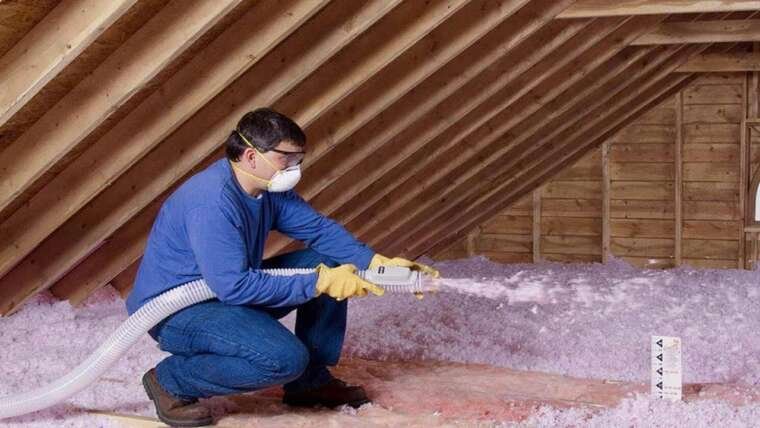
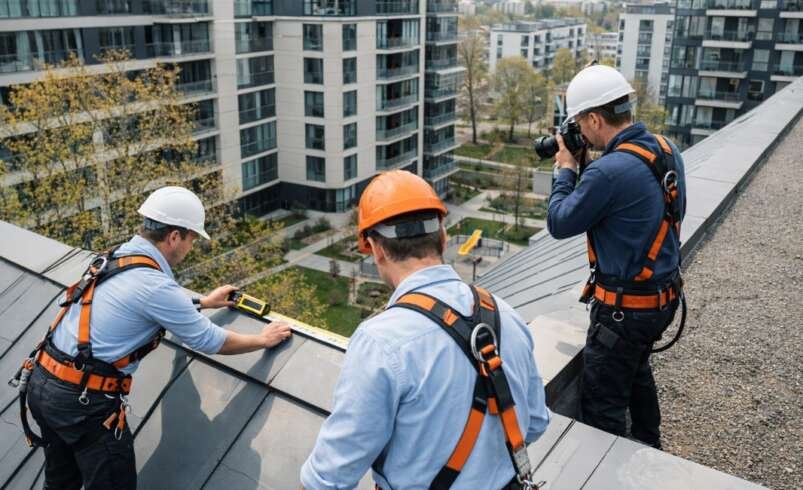
A professional inspection is a condition assessment of the roofing system. It can include the shingles or other roof covering, flashing, valleys, ridge caps, pipe boots, vents, gutters, drainage paths, and visible decking. When safe access is available, the inspector can examine the roof surface closely. An attic review can also reveal water staining, damp insulation, poor airflow, or daylight entering through areas that should be sealed.
The goal is not to make every roof look perfect. It is to separate normal wear from defects that deserve attention. A roof that has several years of useful life left may need a small repair, while an older system with widespread deterioration may need replacement planning.
In Goshen, we’ve noticed that most homeowners first look at the shingles they can see from the driveway. That is understandable, but some of the most useful clues sit around penetrations, flashing, valleys, and drainage points. A roof can look acceptable from the street while a failed pipe boot or loose flashing allows water to travel into the attic.
For someone searching online for roof inspection services near me, the key question should be: what will actually be inspected and documented? A clear scope matters more than a generic promise of a “free inspection.” A useful assessment should identify the location and type of problem, explain its urgency, and give you enough information to decide what happens next.
The Real Challenge in Goshen, KY
Goshen-area roofs have to deal with changing weather, including heavy rain, strong winds, temperature swings, and hail-producing storms. Recent weather activity in the area shows why storm-related roof checks deserve attention. Hail can affect shingles, metal components, vents, gutters, and other exposed parts of a roof even when a homeowner cannot see obvious damage from the ground.
Another local issue is that water problems are not always located directly above the ceiling stain. Water can move along roof decking or framing before it appears indoors. That means replacing the shingle directly above a stain may not solve the real problem if the entry point is a flashing joint, vent boot, valley, or other penetration.
A client in Goshen might reach out after noticing a brown spot near an upstairs ceiling. The roof could look fine from the yard, so the homeowner may assume the stain is old. A closer review could find a small flashing or seal problem that has been allowing intermittent moisture into the attic. Catching that condition early can be far less disruptive than waiting until wet insulation or damaged decking becomes part of the repair.
One objection homeowners often have is simple: “If the roof isn’t actively leaking, why pay for an inspection?” The answer depends on the roof’s age, recent weather exposure, property plans, and what you can already observe. An inspection is most useful when you need information for a decision—such as buying a house, preparing for a sale, checking storm damage, planning maintenance, or deciding between repair and replacement.
How Blue Grass Brothers Roofing Approaches It Differently
The inspection approach is fact-finding rather than an automatic recommendation for replacement. The process should start with the roof’s age and material, followed by a ground-level review of roof lines, shingles, gutters, flashing, vents, and visible drainage conditions. If safe access is possible, the inspection can then move closer to the roof surface and relevant attic areas.
The distinction matters because a homeowner needs more than a sentence such as “your roof has damage.” They need to know where the damage is, whether it appears active, whether it affects the roof covering or a supporting component, and what action makes sense.
A useful inspection should also produce a clear record. Dated photos, specific locations, notes about materials and problem areas, and practical next steps make the findings easier to understand. This documentation can be especially helpful when comparing repair estimates or discussing storm damage with an insurer.
Commercial properties need a different level of attention. A flat or low-slope membrane roof, metal roof, or larger commercial system has different failure points than a typical asphalt-shingle home. Someone searching for commercial roofers near me in Goshen KY should ask whether the inspection process accounts for roof type, drainage, penetrations, seams, rooftop equipment, and areas that receive heavy foot traffic.
The same principle applies to residential inspections: the roof covering is only one part of the system. Flashing, ventilation, drainage, underlayment, roof decking, and penetrations all influence how long the roof can perform.
Practical Tips: What to Know Before You Decide
Start with the reason for the inspection. If a storm recently passed through, tell the inspector the approximate date and what you observed. If you are buying a property, ask for documentation that clearly separates current defects from ordinary age-related wear. For an older roof, ask whether the assessment includes remaining-life considerations rather than only a list of repairs.
Working with clients in Goshen, our team found that homeowners often focus on the repair estimate before asking what evidence supports it. Reverse that order. First understand the condition, then compare the proposed work, materials, warranty terms, and expected service life.
A few practical questions can make the appointment more useful:
- Will the inspector check flashing, valleys, vents, pipe boots, and roof edges?
- Will the attic be reviewed when access is safe and appropriate?
- Are photos included with the findings?
- Does the report distinguish urgent defects from maintenance items?
- If storm damage is suspected, will the findings be documented clearly?
- If replacement is recommended, what evidence shows that repair is no longer reasonable?
There is also a local-market tip worth remembering after severe weather: do not feel pressured to make a same-day roofing decision. Storm activity can create a rush of door-to-door offers. Take photos, record the approximate storm date, review your insurance policy, and compare the inspection findings with a written scope of work.
Cost is another point worth discussing before the appointment. Kentucky inspection pricing varies by scope and method. Routine inspections are often priced in the low hundreds of dollars, while drone, infrared, large, or complex assessments can cost more. The exact price should reflect what you are receiving, not simply whether the word “inspection” appears in the service description.
A useful inspection can save money without promising that every problem will disappear. Its real value is decision quality: knowing whether you need a small repair, further testing, maintenance, or a replacement plan.
Conclusion
A sound inspection gives a Goshen homeowner evidence before a repair or replacement decision is made. If you have noticed leaks, missing shingles, storm damage, aging materials, or unexplained attic moisture, start by getting the condition documented rather than guessing from the ground. Blue Grass Brothers Roofing can provide that local roofing perspective for homeowners considering a roof inspection in Goshen, KY.
FAQs
1. How often should a homeowner schedule a roof inspection?
A yearly check can make sense for an aging roof, while newer roofs may need attention mainly after severe weather, visible damage, or a major property event. You should also consider an inspection before buying or selling a home. The right timing depends on roof age, material, condition, and recent exposure.
2. What does a roof inspection usually cost in Kentucky?
Pricing varies with roof size, accessibility, roof type, and the level of documentation requested. A basic visual review may cost less than an inspection that includes attic access, drone imagery, moisture testing, or a written report. Ask what is included before comparing prices, because two inspections with different scopes are not equal.
3. Can a roof inspection prove that I need a new roof?
No. A good inspection should determine whether the observed problems can reasonably be repaired or whether deterioration is widespread enough to justify replacement planning. Age matters, but age alone is not proof that a roof has failed. Ask for photos and specific findings supporting any replacement recommendation.
4. How do I know a roofing inspector is legitimate?
Check that the business provides a clear scope, written findings, photos when appropriate, and straightforward answers about the roof’s condition. Ask for proof of insurance and relevant credentials where applicable. Be cautious if someone pressures you to sign immediately, refuses to explain findings, or recommends major work without showing evidence.
5. Should I get an inspection after hail or strong wind in Goshen?
Yes, especially if the storm was strong enough to produce hail, high winds, or falling debris nearby. Damage may affect shingles, flashing, vents, gutters, or other components without being obvious from the ground. Document what you can safely see, note the storm date, and arrange an assessment before making repair decisions.