

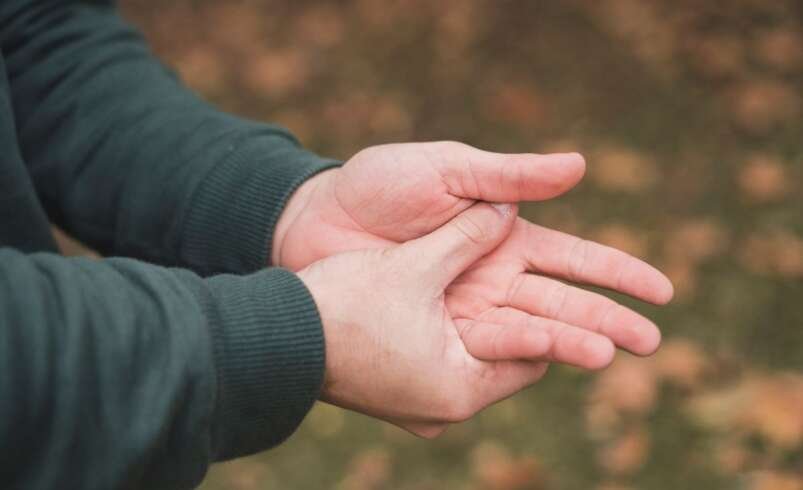

Dupuytren’s contracture is a hand condition that can gradually affect finger movement, making everyday activities like gripping objects, shaking hands, or placing your hand flat on a surface more difficult. Many people look for ways to support their hand function before considering invasive procedures.
While medical treatments depend on the severity of the condition, some individuals explore non-surgical Dupuytren’s treatment approaches that focus on maintaining flexibility, improving comfort, and supporting daily hand movement. Options such as stretching routines, hand therapy, splints for Dupuytren’s contracture, and supportive devices may help people manage their hand care routine.
Products such as Dupuytren’s Wand are designed as part of an at-home approach to encourage gentle hand mobility and provide targeted support. Understanding available options can help individuals make informed decisions about their hand health.
Understanding Dupuytren’s Contracture
Dupuytren’s contracture develops when the connective tissue beneath the skin of the palm becomes thicker and tighter over time. This change can create firm areas or nodules in the palm and may gradually pull one or more fingers toward the palm.
Common signs include:
- Small lumps or thickened tissue in the palm
- Tightness around the fingers
- Difficulty fully straightening affected fingers
- Reduced hand flexibility
- Challenges with certain gripping activities
The progression can vary from person to person. Some people experience slow changes over many years, while others notice faster changes in finger movement.
What Is Non-Surgical Dupuytren’s Treatment?
Non-surgical Dupuytren’s treatment focuses on supportive methods that aim to maintain hand function and flexibility without immediate surgery. These approaches are often considered during earlier stages or when symptoms are mild.
Common non-surgical approaches include:
Hand Stretching and Mobility Exercises
Gentle stretching exercises may help maintain available movement in the fingers and palm. Consistent mobility routines can support flexibility and prevent stiffness caused by limited use.
Examples may include:
- Slowly opening and closing the hand
- Gentle finger extension exercises
- Palm stretching movements
- Range-of-motion activities recommended by a healthcare professional
Exercises should always be performed carefully. Excessive force or aggressive stretching may cause discomfort.
Splints for Dupuytren’s Contracture
Many people search for splints for Dupuytren’s contracture because splints may provide support during certain stages of the condition.
A splint is typically designed to position the fingers in a more extended position and may be recommended by a hand specialist or therapist depending on individual needs.
Splints may be used:
- During nighttime rest
- After certain therapies
- As part of a personalized hand care plan
The effectiveness of splinting can depend on the stage of Dupuytren’s contracture and individual circumstances.
Can Dupuytren’s Contracture Castor Oil Help?
The use of Dupuytren’s contracture castor oil is a topic often discussed among people looking for natural hand care options. Castor oil has traditionally been used in wellness routines because of its moisturizing properties and ability to support skin comfort.
Some individuals apply castor oil with gentle massage as part of their personal hand-care routine. However, there is limited scientific evidence proving that castor oil can reverse Dupuytren’s contracture or remove thickened tissue.
When using oils or massage techniques, the goal should be supporting skin comfort and relaxation rather than expecting a guaranteed medical outcome.
How Dupuytren’s Wand Supports At-Home Hand Care
For individuals exploring gentle, non-invasive options, Dupuytren’s Wand can be incorporated into a personal hand mobility routine.
A supportive hand tool may help users:
- Apply gentle pressure around areas of hand tightness
- Encourage regular hand-care habits
- Support flexibility-focused routines
- Complement stretching and mobility exercises
Using any hand-support device should be approached carefully. Gentle techniques and consistency are generally more important than applying strong pressure.
Lifestyle Tips for Better Hand Mobility
Along with specific hand exercises and supportive tools, simple daily habits can help maintain comfortable hand movement.
Keep Hands Active
Regular movement helps prevent unnecessary stiffness. Activities such as light stretching, controlled finger movements, and everyday hand use can support mobility.
Avoid Overworking the Hands
Repeated strain or activities that cause discomfort may make hand symptoms feel worse. Taking breaks and using proper hand positions can be beneficial.
Monitor Changes
Pay attention to changes in finger movement, new lumps, or increasing difficulty with daily activities. Early awareness allows individuals to discuss options with a healthcare professional.
When Should You Consider Professional Advice?
Non-surgical approaches may not be suitable for every stage of Dupuytren’s contracture. Consulting a qualified healthcare provider is important if:
- Fingers become increasingly bent
- Daily activities become difficult
- Symptoms progress quickly
- Hand movement becomes significantly limited
A specialist can help determine whether observation, therapy, injections, or other treatments may be appropriate.
Frequently Asked Questions (FAQs)
1. What is the best non-surgical Dupuytren’s treatment?
The best approach depends on the severity of the condition. Options may include hand exercises, therapy, splints, and supportive mobility tools designed to maintain hand function.
2. Can Dupuytren’s contracture be treated naturally?
Some people use natural hand-care methods such as stretching, massage, and supportive tools. These approaches may help maintain comfort and mobility but should not be considered guaranteed cures.
3. Are splints effective for Dupuytren’s contracture?
Splints may provide support for certain individuals, especially when recommended as part of a personalized treatment plan. Results can vary depending on the condition stage.
4. Does castor oil help Dupuytren’s contracture?
Castor oil may moisturize the skin and be used during gentle massage routines, but current evidence does not confirm that it can reverse Dupuytren’s contracture.
5. How does Dupuytren’s Wand work?
Dupuytren’s Wand is designed as an at-home hand-support tool that can be used alongside gentle mobility routines to encourage regular hand care practices.
6. Can exercises prevent Dupuytren’s contracture from getting worse?
Exercises may help maintain flexibility and movement, but they cannot guarantee prevention of progression. Individual results vary.