
Lower back pain is a common issue that can affect people with different lifestyles and activity levels. Spending long hours sitting, maintaining poor posture, lifting heavy objects, and making sudden movements can all lead to discomfort in the lower back. Even simple activities such as walking, bending, standing, or getting out of bed can become difficult when the muscles around the lower back feel tight or sore.
For some people, the discomfort goes away after a few days of rest and gentle movement. However, others may experience ongoing pain that affects their daily routine, sleep, and ability to stay active. Finding a suitable way to manage this discomfort is important for maintaining good movement and overall comfort. Medical Massage is one treatment option that focuses on specific muscles and soft tissues that may contribute to pain and stiffness. When used as part of a suitable care plan, it may help relax tight muscles, improve flexibility, and support recovery.
Understanding the Common Causes of Lower Back Pain
The lower back supports much of the body’s weight and helps with everyday movements. It includes the lumbar spine, muscles, ligaments, joints, and connective tissues. When these areas experience too much pressure or strain, discomfort and stiffness may develop.
Some common causes of lower back pain include:
- Poor posture while sitting, standing, or working.
- Muscle strain from lifting heavy objects or sudden movements.
- Sitting for long hours without taking movement breaks.
- Weak core and back muscles that provide less support.
- Repeated bending, twisting, and other physical activities.
- Natural changes in the spine and surrounding joints with age.
Lower back pain does not always come from tight muscles. Problems involving spinal discs, joints, or nerves can also cause discomfort. Understanding the cause is important before choosing a treatment.
What Is Medical Massage?
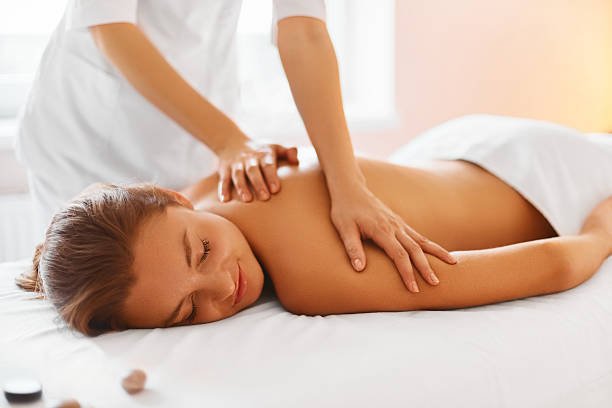
Medical Massage is a hands-on treatment that focuses on specific areas of the body where muscle tension, soft tissue restrictions, or discomfort may be present. Unlike a general relaxation massage, it is planned around a person’s physical concerns and treatment goals.
For lower back pain, the treatment may focus on the lumbar muscles, hips, gluteal muscles, and nearby soft tissues. These areas work together to support the spine and help the body move comfortably.
A trained massage professional may ask about the person’s symptoms, medical history, daily activities, and movement problems before selecting suitable techniques. The pressure and type of treatment can vary depending on the person’s condition and comfort level.
The main goal is to reduce muscle tension, improve soft tissue movement, and support better physical function. It may be helpful for people whose lower back discomfort is related to muscle tightness or physical strain.
Benefits of Medical Massage for Lower Back Pain
Massage therapy may offer several benefits for people experiencing lower back discomfort. The results depend on the cause of pain, overall health, and the type of treatment used.
Helps Reduce Muscle Tightness
Tight muscles around the lower back and hips can make normal movements uncomfortable. Long hours of sitting, physical work, and repeated movements may cause these muscles to become stiff.
Targeted massage techniques can help relax tense muscles and reduce feelings of tightness. This may make activities such as bending, standing, and walking more comfortable.
Supports Healthy Blood Flow
Massage uses controlled pressure and movement across soft tissues. These actions may temporarily increase local blood flow and create a feeling of warmth in the treated areas.
Healthy circulation helps deliver oxygen and nutrients to body tissues. While massage does not repair every cause of back pain, it may support comfort as part of a wider recovery plan.
Improves Flexibility and Movement
Muscle tightness in the lower back, hips, and surrounding areas can limit normal movement. Some people may find it difficult to bend forward, turn their body, or sit comfortably for long periods.
Massage techniques may help reduce soft tissue tension and improve movement when tight muscles are contributing to the problem.
Encourages Relaxation
Ongoing back pain can affect sleep, mood, and daily activities. Stress may also contribute to muscle tension, which can make discomfort feel worse.
A massage session can encourage relaxation and help the body feel less tense. Better relaxation may also support comfortable rest and daily movement.
Supports a Complete Recovery Plan
Lower back pain may require more than one type of treatment. Massage can be used alongside physical therapy, gentle exercise, posture changes, and other care recommended by a healthcare professional.
Common Medical Massage Techniques for Lower Back Pain
Different techniques may be used depending on the person’s symptoms, muscle condition, and treatment needs. A trained professional can select the most suitable approach after an assessment.
Deep Tissue Massage
Deep tissue massage uses slow movements and controlled pressure to work on deeper layers of muscles and connective tissues. It may be helpful when long-term muscle tightness is contributing to lower back discomfort.
The pressure should always match the person’s comfort level. Applying too much force may increase soreness or irritate sensitive areas.
Myofascial Release
Fascia is a layer of connective tissue that surrounds and supports muscles throughout the body. Tightness or sensitivity in these tissues may affect comfortable movement.
Myofascial release uses gentle, steady pressure and stretching movements to work on areas of soft tissue restriction. It may help improve comfort around the lower back, hips, and nearby muscles.
Trigger Point Therapy
Trigger points are sensitive areas within tight muscles that may cause pain in the same area or nearby parts of the body.
This technique uses focused pressure on selected points to help reduce muscle tension. A practitioner may assess the lower back, hips, and gluteal muscles to identify areas that may be contributing to discomfort.
Swedish Massage
Swedish massage uses smooth strokes, gentle kneading, and light to moderate pressure. It is often used to reduce general muscle tension and encourage relaxation.
This technique may be suitable for people who prefer a gentler approach or feel uncomfortable with deeper pressure.
Gentle Stretching and Soft Tissue Work
Some sessions may include gentle stretching and soft tissue movements to improve flexibility around the lower back and hips.
These movements should remain comfortable and should not cause sharp pain or increase existing symptoms.
What to Expect During a Medical Massage Session
Knowing what happens during a session can help people feel more comfortable before starting treatment.
The session usually begins with a discussion about the person’s pain, medical history, previous injuries, and daily activities. The practitioner may ask when the discomfort started, which movements make it worse, and whether the pain spreads into the hips or legs.
A basic physical assessment may follow to check posture, movement, and areas of muscle tightness. Based on these findings, the practitioner can choose suitable techniques.
During treatment, different massage methods may be used on the lower back and surrounding muscles. The pressure should be adjusted according to the person’s comfort. It is important to speak up if a technique causes sharp pain, numbness, tingling, or unusual discomfort.
At the end of the session, the practitioner may suggest gentle movements, suitable exercises, or other steps to support recovery.
Recovery Tips After Medical Massage
Taking care of your body after a massage session can help maintain comfort and support recovery. Some people feel relaxed after treatment, while others may experience mild and temporary muscle soreness.
A few simple habits can help:
- Drink enough water throughout the day.
- Avoid heavy lifting if your muscles feel sore.
- Take short walks to prevent stiffness.
- Maintain a comfortable sitting and standing posture.
- Get enough sleep to support normal recovery.
- Follow the exercises and advice recommended by your practitioner.
Avoid intense workouts or aggressive stretching if they increase discomfort. Give your body enough time to recover before returning to demanding physical activities.
How Often Should You Get Medical Massage?
The right treatment schedule depends on the cause of lower back pain, the level of discomfort, and how the body responds to each session. Some people may benefit from occasional treatment, while others with ongoing muscle tightness may need a more regular schedule.
A practitioner can suggest a suitable plan after reviewing the person’s condition and treatment goals. The schedule may also change as muscle tension decreases and movement improves.
It is important to give the body enough time to recover between sessions. Regular treatment should focus on improving comfort and movement rather than simply increasing the number of appointments.
When Should You Seek Medical Advice?
Although massage may help with muscular lower back discomfort, it is not suitable for every condition. People with severe, unexplained, or long-lasting pain should speak with a healthcare professional before starting treatment.
Medical attention is especially important if lower back pain occurs with:
- Severe or rapidly increasing pain.
- Numbness, tingling, or weakness in the legs.
- Loss of bladder or bowel control.
- Numbness around the groin or genital area.
- Fever or unexplained weight loss.
- Pain after a serious fall or injury.
New bladder or bowel problems, numbness around the groin, or increasing leg weakness require urgent medical attention. These symptoms may indicate a serious problem involving the nerves.
A proper assessment can help identify the cause of the discomfort and determine whether massage is a suitable part of the treatment plan.
Final Thoughts
Lower back pain can affect everyday movement, sleep, work, and overall comfort. Understanding its causes and choosing the right treatment can help people manage discomfort and improve their physical well-being. Medical Massage may help reduce muscle tightness, support relaxation, improve flexibility, and make daily movements more comfortable when soft tissue tension is contributing to the problem.
However, long-term improvement often requires a combination of suitable treatments and healthy daily habits. Gentle exercise, proper posture, regular movement, and professional guidance can all support better back health.
For people looking for personalized care and hands-on treatment options, SF Custom Chiropractic offers medical massage services that focus on muscle tension, soft tissue restrictions, pain management, and improved movement. Its treatment approach can be tailored to individual needs and may be combined with other care options when appropriate.
Sports Massage San Francisco+1
With the right treatment plan and a consistent recovery routine, people experiencing lower back discomfort can work toward better mobility, improved comfort, and a more active lifestyle.