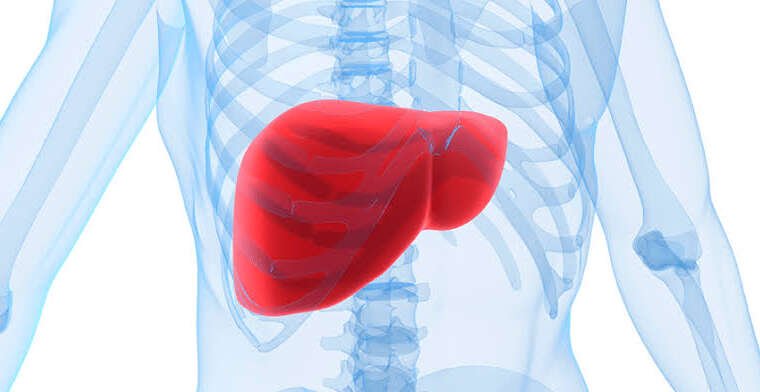

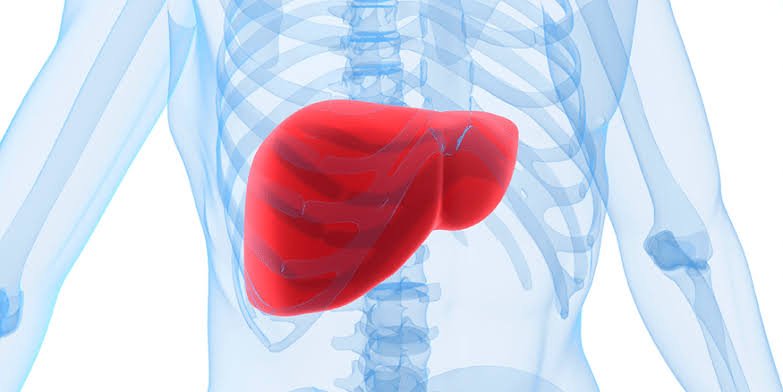

A diagnosis of advanced liver disease can be overwhelming for patients and their families. When the liver loses its ability to perform essential functions, everyday activities and overall health can be seriously affected. In certain situations, when medication and other treatments are no longer sufficient, a liver transplant may become an important treatment option.
Liver transplant surgery involves replacing a severely damaged or failing liver with a healthy liver from a suitable donor. It is a complex procedure that requires careful evaluation, experienced medical professionals, appropriate surgical facilities, and long-term follow-up care.
For patients exploring liver transplant surgery in Noida, understanding the procedure, eligibility requirements, donor options, potential risks, and recovery process can make the decision-making journey easier. With guidance from specialists such as Dr Vishal Kumar Chorasiya, patients can better understand the medical considerations involved and prepare for informed discussions about their treatment options.
What Is Liver Transplant Surgery?
A liver transplant is a surgical procedure in which a diseased or non-functioning liver is replaced with a healthy donor liver or a suitable portion of one.
The liver performs several essential functions, including:
- Removing toxins and waste products from the blood.
- Producing bile to support digestion.
- Helping the body process nutrients and medications.
- Producing proteins required for blood clotting.
- Storing essential vitamins and minerals.
- Supporting metabolism and immune function.
When severe liver damage prevents these functions from working properly, transplantation may be considered.
The main objective of the procedure is to restore liver function, improve quality of life, and help eligible patients achieve better long-term health outcomes.
When Does a Patient Need a Liver Transplant?
A liver transplant is generally considered when the liver is severely damaged and other available treatments cannot adequately control the condition.
Some medical conditions that may lead to a transplant evaluation include:
1. Liver Cirrhosis
Cirrhosis develops when long-term liver damage causes healthy liver tissue to be replaced by scar tissue. This can interfere with normal liver function and lead to serious complications.
Common causes include chronic viral hepatitis, alcohol-related liver disease, and metabolic dysfunction-associated steatotic liver disease.
2. Acute Liver Failure
Acute liver failure occurs when the liver suddenly loses much of its ability to function. It can develop over a short period and may require urgent medical attention.
Possible causes include certain medication-related injuries, viral infections, and other severe liver conditions.
3. Chronic Hepatitis B and C
Long-standing hepatitis B or C infections can cause progressive liver damage. In some patients, the resulting cirrhosis or liver failure may eventually require transplant assessment.
4. Liver Cancer
Certain patients with hepatocellular carcinoma, the most common type of primary liver cancer, may be considered for transplantation.
Eligibility depends on factors such as tumour size, number of tumours, disease progression, and whether the cancer meets accepted transplant criteria.
5. Other Advanced Liver Diseases
Some inherited metabolic disorders and other serious liver conditions may also require transplantation when the liver can no longer function adequately.
It is important to understand that having a liver disease does not automatically mean someone needs a transplant. A specialist must assess the condition, its severity, available treatment options, and the patient’s overall health.
Types of Liver Transplant Procedures
There are different approaches to liver transplantation depending on donor availability and the patient’s medical requirements.
1. Living Donor Liver Transplant
In a living donor transplant, a suitable healthy individual donates a portion of their liver to the recipient.
The liver has a unique ability to regenerate, allowing the remaining liver tissue in both the donor and recipient to grow over time.
However, living donation involves major surgery for a healthy person. Donor safety, medical suitability, informed consent, and legal requirements must be carefully evaluated.
2. Deceased Donor Liver Transplant
In this procedure, the liver is obtained from a deceased donor after the required consent and legal processes.
The donated organ is allocated according to applicable transplant regulations, medical urgency, compatibility, and other relevant considerations.
3. Split Liver Transplant
In selected cases, a deceased donor’s liver may be divided into portions for transplantation into two recipients, commonly an adult and a child.
This approach depends on donor suitability, surgical expertise, and the medical needs of the recipients.
How Is a Patient Evaluated for Liver Transplant Surgery?
Before recommending transplantation, doctors conduct a detailed assessment to determine whether the patient is medically suitable for the procedure.
The evaluation generally includes several important steps.
Medical history and physical examination: Doctors review the patient’s liver condition, previous treatments, existing medical problems, and general health.
Blood investigations: Tests help assess liver function, kidney function, blood counts, clotting ability, and possible infections.
Imaging tests: Ultrasound, CT scans, or MRI may be recommended to examine the liver, blood vessels, and surrounding structures.
Heart and lung assessment: Since transplantation is major surgery, doctors evaluate whether the patient’s heart and lungs can safely tolerate the procedure.
Nutritional and psychological assessment: Nutrition and emotional well-being are important factors in preparing for surgery and managing recovery.
Donor evaluation: For living donor transplantation, the potential donor undergoes a separate assessment to establish medical suitability and protect their health.
The transplant team considers all these findings before deciding whether transplantation is appropriate.
What Happens During Liver Transplant Surgery?
Liver transplantation is performed under general anaesthesia by a specialised surgical team.
Although the exact approach depends on the patient’s condition and surgical requirements, the procedure generally involves the following stages:
- Preparation: The patient is given anaesthesia, and monitoring equipment is connected to track vital functions.
- Removal of the diseased liver: The damaged liver is carefully separated from surrounding structures and removed.
- Placement of the donor liver: The healthy donor liver or donated portion is positioned in the recipient’s body.
- Connection of blood vessels: The surgical team connects the relevant blood vessels to establish circulation through the transplanted liver.
- Bile duct connection: The bile drainage system is reconstructed to allow bile to flow appropriately.
- Monitoring: The surgical team checks blood flow and the initial function of the transplanted organ before completing the operation.
The duration and complexity of surgery vary depending on the patient’s condition, previous abdominal surgeries, and other medical factors.
What Are the Possible Risks of Liver Transplant Surgery?
Like any major operation, liver transplantation involves potential risks. Understanding these complications helps patients and families prepare realistically.
Possible risks include:
- Bleeding: Significant blood loss may occur during or after surgery.
- Infection: Patients can be more vulnerable to infections, particularly because of medicines that suppress the immune system.
- Blood vessel complications: Problems such as narrowing or clotting may affect blood flow to the transplanted liver.
- Bile duct complications: Leakage or narrowing of the bile ducts can require additional treatment.
- Organ rejection: The recipient’s immune system may recognise the transplanted liver as foreign and attack it.
- Kidney complications: Kidney function may be affected by the underlying illness, surgery, or certain medications.
Not every patient experiences these complications. The transplant team monitors patients closely and recommends appropriate management based on their individual condition.
Recovery After Liver Transplant Surgery
Recovery is an important part of the transplantation journey. Patients usually require close monitoring in the hospital before gradually returning to normal activities.
Hospital Recovery
Immediately after surgery, patients are generally monitored in an intensive care setting. Doctors assess liver function, circulation, kidney function, and signs of infection or rejection.
The length of hospitalisation varies according to the patient’s recovery and any complications.
Medication Management
Anti-rejection medicines, also known as immunosuppressants, are essential after transplantation. These medications help prevent the immune system from attacking the new liver.
Patients must:
- Take prescribed medicines according to the transplant team’s instructions.
- Avoid changing or stopping medications without medical advice.
- Attend scheduled blood tests and follow-up appointments.
- Report unusual symptoms or possible medication side effects.
- Discuss all new medicines and supplements with their doctors.
Lifestyle and Nutrition
A healthy lifestyle supports long-term recovery.
Doctors may recommend:
- Eating a balanced diet with adequate protein and nutrients.
- Following food safety and hygiene precautions.
- Drinking sufficient fluids as medically advised.
- Avoiding alcohol.
- Maintaining an appropriate body weight.
- Gradually increasing physical activity with medical approval.
- Getting adequate rest and sleep.
Recovery is different for every individual. Patients should follow a personalised rehabilitation and follow-up plan rather than comparing their progress with others.
How Much Does Liver Transplant Surgery Cost in Noida?
The cost of liver transplantation varies considerably depending on the patient’s medical condition, donor type, hospital facilities, surgical requirements, and length of hospital stay.
Some of the factors that influence the overall expense include:
- Pre-transplant investigations and medical evaluations.
- Donor evaluation and related procedures.
- Surgical and anaesthesia charges.
- Intensive care and hospitalisation.
- Medicines and blood products.
- Treatment of complications, if any.
- Post-transplant consultations and investigations.
Patients should request a detailed cost estimate from the hospital and clarify what is included in the package. It is also useful to ask about expenses that may arise after discharge, particularly long-term medication and monitoring costs.
Choosing the Right Liver Transplant Specialist in Noida
Selecting the appropriate medical team is an important decision for patients considering transplantation.
Rather than focusing only on the hospital or procedure cost, patients should evaluate the overall quality and suitability of the transplant programme.
Consider the following points:
- Experience and relevant expertise of the transplant surgeon.
- Availability of a multidisciplinary transplant team.
- Intensive care and emergency support facilities.
- Access to diagnostic investigations and blood bank services.
- Clear communication about treatment options and potential risks.
- Availability of long-term follow-up and post-transplant care.
- Compliance with applicable organ transplantation laws and regulations.
Patients seeking guidance about liver disease and transplantation can discuss their concerns with Dr Vishal Kumar Chorasiya. A consultation can help them understand their medical condition, the need for further investigations, and whether a transplant evaluation may be appropriate.
Frequently Asked Questions
1. Who is eligible for liver transplant surgery?
Patients with advanced liver disease, irreversible liver failure, or certain liver cancers may be considered for transplantation. Eligibility depends on overall health, disease severity, expected benefits, and the absence of medical conditions that would make surgery unsuitable.
2. How long does it take to recover from a liver transplant?
Recovery varies from patient to patient. Hospitalisation may last several days or longer, depending on the clinical situation. Returning to regular activities can take several weeks to months, with continued medical monitoring afterward.
3. Can a person live a normal life after a liver transplant?
Many transplant recipients return to work, daily activities, and a more active lifestyle after recovery. However, lifelong medication, regular blood tests, and medical follow-up are generally necessary.
4. Is living donor liver transplantation safe?
Living donor liver transplantation is an established procedure, but it involves major surgery and carries risks for both the donor and recipient. Careful donor screening, informed consent, and compliance with legal requirements are essential.
5. Does every patient with cirrhosis need a liver transplant?
No. Many patients with cirrhosis can be managed through medication, lifestyle changes, and treatment of underlying causes and complications. Transplantation is considered when liver disease becomes advanced and the expected benefits justify the risks.
Conclusion
Liver transplantation can offer an important treatment option for people living with advanced liver disease or irreversible liver failure. However, it requires careful medical evaluation, a suitable donor, specialised surgical care, and lifelong follow-up.
For individuals exploring liver transplant surgery in Noida, understanding the procedure, associated risks, recovery requirements, and available treatment options is an important first step. Consulting an experienced medical professional can help patients make informed decisions based on their individual health needs. Dr Vishal Kumar Chorasiya can be a point of consultation for patients seeking to understand their liver-related concerns and explore appropriate next steps in their treatment journey.