

When pain, stiffness, weakness, or an injury begins affecting the way you move, everyday activities can become more challenging. Walking, exercising, lifting, working, traveling, or enjoying recreational activities may no longer feel as comfortable or natural as they once did. For people searching for san ramon physical therapy, personalized care can provide a structured way to understand movement challenges, rebuild physical capacity, and work toward returning to the activities that matter most.
Ironhorse Physical Therapy & Pilates provides individualized physical therapy and movement-focused care in San Ramon. Its approach combines rehabilitation with progressive exercise, strength, mobility, and Pilates-based movement when appropriate, helping individuals work toward practical physical goals rather than following a one-size-fits-all routine.
Understanding What San Ramon Physical Therapy Can Offer
Physical therapy can be useful for many different movement challenges. Some people seek care after an injury or surgery, while others may be dealing with ongoing pain, stiffness, weakness, balance concerns, or difficulty returning to exercise.
The needs of each person can be very different.
A recreational runner may want to return to regular mileage. Someone who enjoys strength training may need help rebuilding confidence with resistance exercises. Another person may simply want to walk comfortably, manage household activities, or stay active with family.
This is why personalized treatment can be valuable. A physical therapy program can consider current physical abilities, movement limitations, lifestyle demands, and personal goals.
When searching for san ramon physical therapy, it can help to look for an approach that connects rehabilitation with what you actually want to do outside the clinic.
Building Strength for Everyday Movement
Strength is an important part of physical function. The body relies on strength when walking, climbing stairs, lifting, carrying, reaching, standing, exercising, and participating in recreational activities.
After an injury or period of inactivity, strength may decrease. This can make familiar movements feel more demanding and may cause people to avoid activities they previously enjoyed.
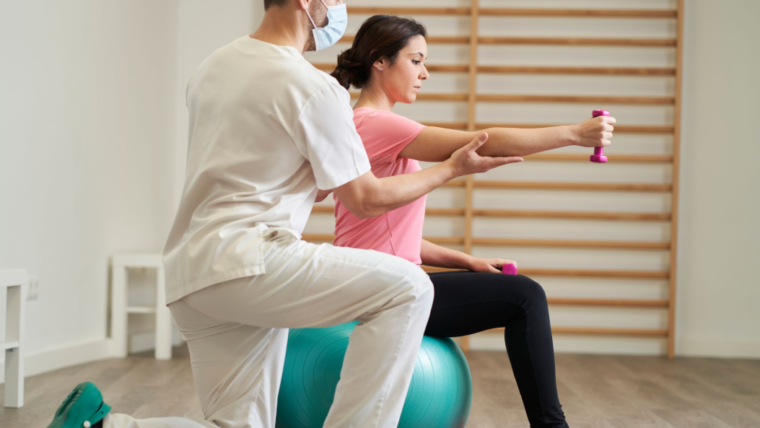
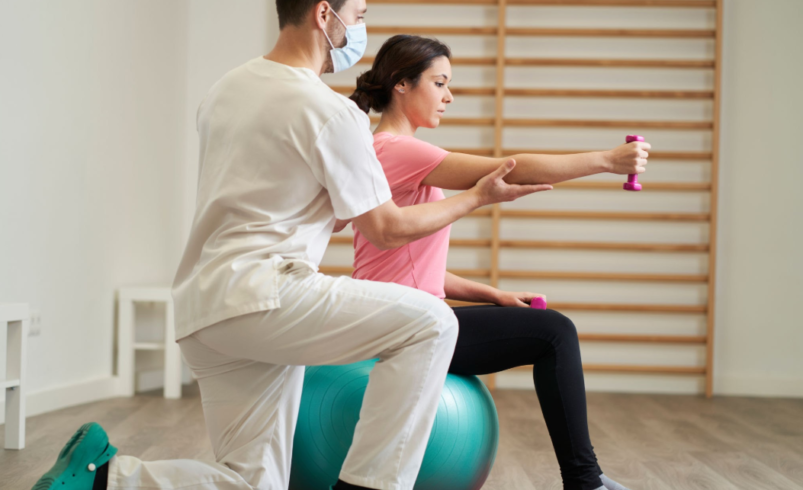
Progressive strengthening can help rebuild physical capacity. Exercises may start with manageable movements before gradually increasing resistance, repetitions, complexity, or physical demands.
The appropriate progression depends on the individual.
Someone recovering from a lower-body injury may need a different strengthening plan from someone returning to running or rebuilding upper-body strength. Connecting exercises to real-life goals can make rehabilitation more practical and meaningful.
Improving Mobility and Movement Quality
Mobility affects how the body moves through everyday positions. Bending, reaching, rotating, walking, squatting, sitting, and standing all require different combinations of joint movement and muscular control.
When mobility is limited, people may change the way they perform certain activities. Other areas of the body may compensate, making movements feel less efficient or more difficult.
Physical therapy may include mobility exercises based on an individual’s needs. However, mobility is only one part of good movement.
The body also needs strength, stability, coordination, and control to use available movement effectively. A balanced program can therefore combine mobility work with strengthening and functional exercises.
The goal is not simply to move farther. It is to develop movement that is controlled, useful, and appropriate for the person’s activities.
Returning to an Active Lifestyle
Many people looking for san ramon physical therapy are not simply trying to get through daily activities. They want to get back to the things they enjoy.
That could include running, hiking, cycling, strength training, Pilates, recreational sports, outdoor activities, or spending active time with family and friends.
Returning to these activities may require more than basic symptom improvement. The body may need to rebuild strength, endurance, balance, coordination, and tolerance for specific physical demands.
A gradual approach can make that process more manageable.
For example, a runner may need progressive strength and movement training before increasing mileage. Someone returning to weight training may need to rebuild resistance gradually. A person preparing for longer hikes may need to develop lower-body endurance and stability.
Physical therapy can help connect foundational exercises with the demands of the activity someone ultimately wants to resume.
How Pilates Can Complement Physical Therapy
Pilates focuses on controlled movement, core strength, posture, stability, coordination, and body awareness. These principles can complement physical therapy when exercises are selected and modified according to individual needs.
At Ironhorse Physical Therapy & Pilates, Pilates is incorporated into a movement-focused approach that can support rehabilitation and continued fitness. The practice offers physical therapy Pilates and semi-private Pilates sessions, with programming tailored to individual goals and physical abilities.
Pilates may be particularly useful for individuals who want to continue developing strength and movement control after an initial rehabilitation phase.
It is not necessary for everyone to perform the same exercises. Movements can be adjusted according to current ability, physical goals, and tolerance.
When appropriately progressed, Pilates can become part of a broader routine focused on maintaining strength, mobility, and confidence.
Developing Better Balance and Stability
Balance and stability are important during both simple and demanding activities.
Walking across uneven surfaces, changing direction, using stairs, reaching while standing, getting in and out of a vehicle, or participating in recreational activities can all require the body to maintain control.
When balance feels uncertain, people may become cautious and reduce their activity level.
Physical therapy can gradually challenge stability based on current abilities. Exercises may involve lower-body strength, weight shifting, coordination, posture, and controlled changes in position.
Progress does not always mean performing increasingly difficult exercises. Sometimes it means feeling more comfortable with an everyday movement that previously felt uncertain.
Improved stability can support greater confidence when moving through daily life and participating in physical activities.
Making Therapy Relevant to Daily Life
Rehabilitation should connect with what happens outside the clinic.
People move throughout the day while working, shopping, traveling, cooking, exercising, gardening, caring for family, and participating in hobbies. Each activity creates different physical demands.
A desk-based worker may have different goals from someone who regularly lifts weights. A recreational athlete may need activity-specific progression, while another individual may simply want to improve strength and mobility for everyday tasks.
A personalized program can take these differences into account.
Ironhorse Physical Therapy & Pilates describes its approach as individualized and focused on helping people stay fit, active, and mobile while participating in the activities they enjoy.
This type of approach can make exercises easier to understand because they have a clear connection to real-life movement.
Learning More About Your Own Movement
Physical therapy can also help people understand how their bodies move.
Individuals may develop greater awareness of posture, strength, mobility, coordination, exercise technique, and movement control. This knowledge can become useful when returning to exercise or developing a long-term fitness routine.
The purpose is not to make people overthink every movement.
Instead, it is about giving individuals practical information that can help them make better decisions about exercise, activity levels, and progression.
For example, someone may learn how to modify an exercise when needed or recognize when a particular movement requires more strength or control before progressing.
These skills can remain valuable even after formal rehabilitation ends.
Creating a Sustainable Fitness Routine
Recovering from an injury is one goal. Maintaining physical progress over time is another.
Once someone has improved strength, mobility, and confidence, they may want to create a sustainable routine that supports continued activity.
This might include strength training, Pilates, walking, running, cycling, recreational sports, mobility exercises, or other activities the individual enjoys.
A sustainable routine does not have to involve intense exercise every day. Consistent movement that fits naturally into someone’s schedule can be more realistic for long-term participation.
Physical therapy can help establish a stronger foundation while allowing individuals to understand how to progress activity appropriately.
Choosing San Ramon Physical Therapy for Your Goals
When choosing san ramon physical therapy, it can help to consider more than convenience.
Think about what you want to accomplish. Are you recovering from an injury? Do you want to return to a favorite sport? Are you trying to improve strength and mobility? Do you want rehabilitation to connect with Pilates or fitness?
These questions can help identify the type of care that best fits your goals.
Ironhorse Physical Therapy & Pilates offers physical therapy alongside Pilates and fitness/wellness services in San Ramon. Current booking information lists physical therapy evaluation and treatment as well as Pilates, strength training, wellness sessions, and workshops.
An approach that combines rehabilitation with movement and fitness can be useful for people who want to remain active while working toward better physical function.
Building Confidence Through Progress
Pain or injury can sometimes affect confidence as much as physical ability.
A person who once exercised regularly may become hesitant after experiencing discomfort during a particular movement. They may worry about making the problem worse or returning to an activity too soon.
Progressive rehabilitation can provide a structured way to rebuild confidence.
Progress might mean walking farther, lifting with better control, improving balance, returning to exercise, or simply feeling more comfortable during daily activities.
Everyone progresses differently. A thoughtful program can change as the person’s abilities improve rather than following a rigid timeline.
The objective is to help individuals understand what they can do today while gradually working toward what they want to do next.
Supporting Long-Term Movement
Physical therapy can be more than a short-term response to an injury. It can also provide an opportunity to build better movement habits and develop a stronger physical foundation.
Improving strength, mobility, balance, coordination, and exercise awareness can help individuals feel better prepared for changing physical demands.
The long-term goal is not to eliminate every challenge. It is to develop the physical capacity and confidence needed to continue participating in meaningful activities.
For some people, that may mean returning to competitive exercise. For others, it may simply mean enjoying walks, travel, hobbies, or time with family without feeling limited by movement concerns.
Conclusion
Searching for san ramon physical therapy can be an important first step for people who want personalized support with movement, strength, mobility, balance, or returning to an active lifestyle.
Ironhorse Physical Therapy & Pilates provides individualized physical therapy in San Ramon with a movement-focused approach that can connect rehabilitation with real-life activities. Pilates, strength training, and progressive exercise can complement physical therapy when appropriate, helping individuals continue developing physical capacity and movement confidence.
Whether the goal is recovering from an injury, returning to exercise, improving everyday function, or staying active for the years ahead, a personalized approach can make the process more purposeful. With appropriate progression and consistent effort, individuals can work toward stronger movement and greater confidence in the activities they enjoy most.