

Finding a soft lump under the skin can be concerning, especially when it continues to grow over time. Lipomas are common fatty lumps that usually develop beneath the skin and are generally considered harmless. While surgery is often recommended for large or bothersome lipomas, many people look for alternative options that do not involve incisions, stitches, or get rid of lipoma without surgery recovery time.
The good news is that there are several approaches that may help individuals manage lipomas without surgery. Although no natural method can guarantee complete removal, certain lifestyle changes, self-care practices, and non-invasive solutions can support overall skin and tissue health. Understanding your options can help you make an informed decision that aligns with your comfort level and personal goals.
What Is a Lipoma?
A lipoma is a slow-growing lump made up of fatty tissue. It usually feels soft to the touch and can move slightly when pressed. Lipomas commonly appear on the neck, shoulders, arms, back, or thighs. Most are painless, although larger lipomas may cause discomfort if they press against nearby nerves or tissues.
Medical experts do not fully understand why lipomas develop, but genetics appears to play an important role. In many cases, people with a family history of lipomas are more likely to develop them themselves.
Why Many People Prefer Non-Surgical Options
Surgery can be effective for removing a lipoma, but it is not always the preferred choice. Some individuals hesitate because of the potential for scarring, recovery time, or the cost associated with surgical procedures. Others simply want to explore conservative approaches before considering an operation.
For smaller lipomas that are not causing pain or affecting daily life, non-surgical management may be an option worth discussing with a healthcare professional. The goal is often to improve comfort and monitor changes while avoiding unnecessary procedures.
Lifestyle Habits That Support Healthy Tissue Function
While lifestyle changes cannot eliminate a lipoma overnight, maintaining good overall health may help support the body’s natural processes. A balanced diet rich in vegetables, fruits, lean proteins, and healthy fats provides nutrients that contribute to normal tissue function.
Regular physical activity also supports circulation and metabolic health. Many people report feeling better when they combine consistent exercise with healthy eating habits. Staying hydrated and getting adequate sleep can further contribute to overall wellness and recovery.
Can Weight Loss Remove a Lipoma?
This is a common question among people looking for natural solutions. Since a lipoma is made of fatty tissue, it may seem logical that losing weight would make it disappear. However, lipomas are different from normal body fat deposits.
In most cases, weight loss does not remove a lipoma. Even individuals who achieve significant weight reduction often notice that the lipoma remains. That said, maintaining a healthy weight can improve overall health and may make it easier to monitor changes in the size or appearance of the lump.
Exploring Non-Invasive Wellness Approaches
Many people interested in how to get rid of lipoma without surgery explore non-invasive wellness solutions. These approaches focus on supporting comfort and promoting healthy tissue care without invasive procedures.
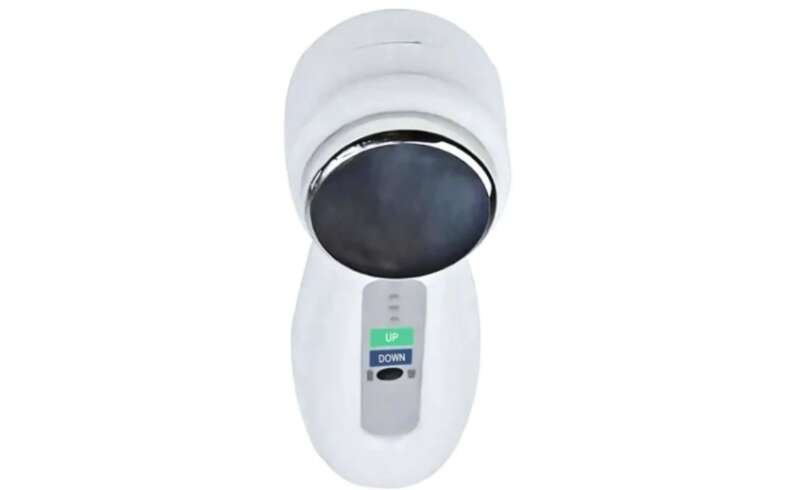
One option that has gained attention is Lipoma Wand. This at-home wellness device is designed for individuals seeking a non-surgical approach to lipoma care. Users appreciate the convenience of being able to incorporate it into their personal wellness routine from home. As with any wellness product, results can vary from person to person, and it is important to follow manufacturer instructions and consult a healthcare professional when needed.
Understanding Realistic Expectations
It is important to approach any non-surgical option with realistic expectations. Lipomas can vary greatly in size, location, and growth pattern. What works well for one individual may not produce the same outcome for another.
The most reliable approach is to combine healthy lifestyle habits with professional medical guidance. Regular monitoring can help ensure that any changes are properly evaluated.
When Should You See a Doctor?
Although lipomas are usually harmless, there are situations where medical evaluation is important. A healthcare professional should assess any lump that grows rapidly, becomes painful, feels unusually firm, or changes in appearance.
A doctor can confirm whether the lump is a lipoma and rule out other conditions that may require different treatment. Professional evaluation provides peace of mind and helps ensure appropriate care.
The Importance of Long-Term Monitoring
Managing a lipoma is often a long-term process rather than a quick fix. Keeping track of the size, texture, and symptoms of the lump can help you identify changes over time. Many people find it helpful to take periodic photographs or notes to share with their healthcare provider during routine checkups.
Monitoring does not necessarily mean expecting dramatic changes. Instead, it provides valuable information that supports informed healthcare decisions and allows you to respond quickly if concerns arise.
FAQ
1. What is the best way to get rid of lipoma without surgery?
There is no guaranteed non-surgical method that works for everyone. Healthy lifestyle habits, medical monitoring, and wellness approaches such as Lipoma Wand are options some individuals explore.
2. Can a lipoma disappear naturally?
Lipomas typically do not disappear on their own. However, many remain stable and do not require treatment unless they cause discomfort.
3. Is Lipoma Wand a surgical treatment?
No. Lipoma Wand is designed as a non-surgical wellness solution for people interested in exploring alternative lipoma care options.
4. Are lipomas dangerous?
Most lipomas are benign and harmless. However, any unusual lump should be evaluated by a healthcare professional for an accurate diagnosis.
5. Does exercise shrink lipomas?
Exercise supports overall health but generally does not directly reduce the size of a lipoma.
6. Can diet affect lipomas?
A healthy diet supports general wellness and tissue health, although there is limited evidence that diet alone can eliminate lipomas.
7. Should all lipomas be removed?
Not necessarily. Many lipomas do not require treatment unless they become painful, grow significantly, or cause cosmetic concerns.