
A cold living room in San Francisco does not always mean the heater has failed. Drafty windows, aging equipment, poor airflow, and an incorrectly set thermostat can all make a home feel colder than it should. For homeowners comparing home heating services, knowing what is actually causing the problem can prevent an unnecessary replacement. The perspective shared here by Heating and Air Experts focuses on practical heating decisions for San Francisco homes, where older construction and coastal weather can create very different comfort problems from one property to another.
What Home Heating Service Really Covers
Home heating service is more than fixing a furnace after it stops working. It can include system inspections, troubleshooting, cleaning, thermostat checks, airflow testing, component replacement, safety checks, and new equipment installation.
San Francisco homes may use gas furnaces, electric heating systems, boilers, radiant heat, wall heaters, floor furnaces, or newer heat pumps. Older homes can present additional challenges because equipment may have been replaced or modified several times over the years. Some properties also have limited space for ductwork, making a direct replacement impractical.
In San Francisco, we’ve noticed that most homeowners first notice a heating problem through comfort rather than an obvious equipment failure. One bedroom may stay cold while another becomes too warm, or the system may run for long periods without reaching the thermostat setting.
That is why diagnosis should come before recommending a specific repair or replacement. A technician should look at the equipment, airflow, controls, ductwork where applicable, and the condition of the surrounding installation.
For homeowners considering Residential Heating System Installation in San Francisco, CA , equipment size matters just as much as the brand or efficiency rating. An oversized system can cycle too frequently, while an undersized unit may run continuously without delivering consistent comfort.
Local heating companies also regularly encounter older San Francisco properties where ductless systems or heat pumps may make more sense than installing entirely new ductwork.
The Real Challenge in San Francisco
San Francisco has a mild coastal climate, but mild does not mean consistently warm. Fog, wind, cool evenings, and rapid changes between neighborhoods can make indoor comfort unpredictable. Homes near the coast can experience particularly persistent cool conditions, while older houses may have drafts or insulation limitations that place extra demand on heating equipment.
Working with clients in San Francisco, our team found that the building itself can sometimes be as important as the heater. A perfectly functioning furnace cannot fully compensate for major air leakage around windows, poorly sealed ducts, or inadequate insulation.
A common question homeowners ask is: “If my heater still works, do I really need to replace it?” Usually, the answer is not automatically yes or no. Age, repair history, operating cost, safety, availability of replacement parts, and overall performance should all be considered before making that decision.
A client in San Francisco reached out after noticing that the living room stayed chilly even though the heater ran for long periods. The initial concern was a failing furnace, but the inspection found uneven airflow and several areas where conditioned air was escaping. Correcting the airflow problem improved comfort without immediately requiring a complete system replacement.
That scenario highlights a gap in many generic heating articles: not every comfort complaint is an equipment problem. A heating system can be mechanically sound while the home itself prevents it from performing well.
Another issue is that older properties may contain heating equipment installed decades ago. Existing layouts, limited mechanical space, older electrical systems, gas connections, and ventilation requirements can all affect replacement decisions. A good assessment considers these conditions before equipment is selected.
How Heating and Air Experts Approaches It Differently
Heating and Air Experts approach a heating problem by first separating symptoms from the actual cause. That starts with a visual inspection and a conversation about what the homeowner has noticed: unusual noises, short cycling, weak airflow, temperature differences, frequent repairs, or rising energy use.
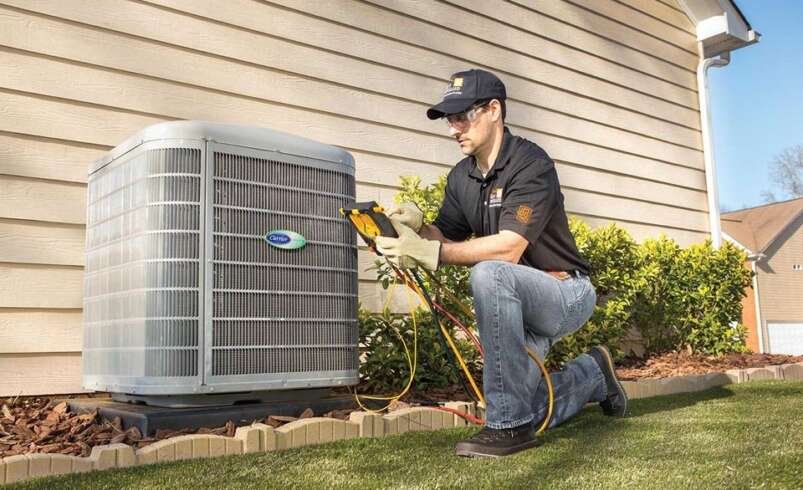
The next step is testing. Depending on the system, this can include checking thermostat operation, electrical connections, filters, burners, ignition components, blower performance, heat exchanger condition, refrigerant-related components on heat pumps, and airflow.
For a home that needs Heating System Repair and Maintenance in San Francisco, CA , the goal should not simply be to make the equipment run again. The technician should identify why the problem developed and determine whether repair is reasonable based on the equipment’s condition.
For replacement projects, sizing deserves particular attention. A new system should be selected around the home’s heating load, layout, existing infrastructure, and expected use rather than simply replacing an old unit with another model of the same capacity.
One useful insight that generic heating content often misses is the importance of installation quality after equipment selection. Two identical heating systems can deliver different results if one has poor airflow, incorrect controls, improper duct connections, or inadequate commissioning.
San Francisco’s older housing stock makes this especially relevant. Some homes were not designed around modern HVAC layouts, so a technically good piece of equipment still needs to be matched carefully with the property’s physical limitations.
Current San Francisco heating providers commonly discuss furnaces, boilers, heat pumps, ductless systems, wall heaters, and radiant systems because local housing includes such a wide mix of heating configurations.
The practical takeaway is simple: a heating recommendation should explain what is wrong, why it happened, what can be repaired, and what replacement would change. That gives the homeowner enough information to make a decision instead of feeling pressured into one.
Practical Tips: What to Know Before You Decide
Start by paying attention to patterns. If a heater only struggles during particularly cold evenings, the issue may differ from a system that has gradually lost performance over several months.
Check the basics before calling for service. Make sure the thermostat is set correctly, replace a visibly dirty filter if the system uses one, and keep supply and return vents clear. Never attempt gas, electrical, combustion, or internal furnace repairs yourself.
In San Francisco, we’ve noticed that homeowners often focus on the equipment’s age while overlooking airflow and the condition of the building envelope. Before approving a major replacement, ask whether the technician checked both the heating equipment and the factors affecting its performance.
A useful local-market tip is to ask about the existing ductwork or lack of it. In older San Francisco properties, installing new ductwork can involve more construction than a homeowner expects. A ductless heat pump or another configuration may sometimes reduce that disruption, depending on the home’s layout and heating requirements.
Also ask for a written explanation of recommended work. A good estimate should make clear whether the price covers equipment, labor, controls, removal of old equipment, required electrical or gas work, permits where applicable, and startup testing.
Price alone should not determine the decision. A low repair estimate may be sensible for a relatively young system with one failed component. The same repair may be harder to justify on an older unit that has experienced repeated failures.
Another overlooked question is what happens after installation. Homeowners should know how the new system will be tested, what maintenance it requires, and what signs would indicate an airflow or control problem later.
Finally, verify that the contractor is properly licensed and insured for the work being performed. Ask for documentation rather than relying only on website claims or online reviews. A trustworthy contractor should be comfortable explaining the scope of work and answering reasonable questions before starting.
Make the Heating Decision Based on the Whole Home
A comfortable San Francisco home depends on more than the heating appliance itself. The condition of the equipment, airflow, insulation, windows, controls, layout, and installation quality all influence the final result. Heating and Air Experts can help San Francisco homeowners evaluate heating repair, maintenance, or replacement based on the actual condition of the property. Start with a professional assessment, ask what is causing the problem, and then choose the option that makes practical sense for the home.
FAQs
1. What heating system is best for a San Francisco home?
The right system depends on the home’s size, layout, existing ductwork, electrical capacity, insulation, and heating needs. Furnaces can work well in homes with suitable duct systems, while heat pumps and ductless systems can be useful where ductwork is limited. A load assessment and property inspection should come before choosing equipment.
2. How much do home heating services cost in San Francisco?
Costs vary widely depending on whether you need diagnosis, routine maintenance, a component repair, or full equipment replacement. Labor, equipment type, access, ductwork, electrical work, and permits can affect the final price. Request a written estimate that separates equipment and labor so you can compare proposals fairly.
3. How often should a heating system be serviced?
For many residential systems, annual inspection and maintenance is a sensible starting point, especially before the colder part of the year. Older equipment or systems with recurring problems may need closer attention. Maintenance can include filter checks, safety inspection, electrical testing, airflow evaluation, cleaning, and inspection of key operating components.
4. How do I know a heating contractor is legitimate?
Ask for the contractor’s California license information, insurance documentation, written estimate, and clear description of the proposed work. You can also check independent reviews and verify licensing through the California Contractors State License Board. A reputable contractor should explain the diagnosis and give you reasonable time to consider major work.
5. Should I repair or replace an older heating system?
Age alone does not determine the answer. Consider repair frequency, operating performance, safety, parts availability, expected remaining life, and the cost of the proposed repair. A well-maintained older system may still be worth repairing, while repeated failures or major component problems can make replacement more practical.