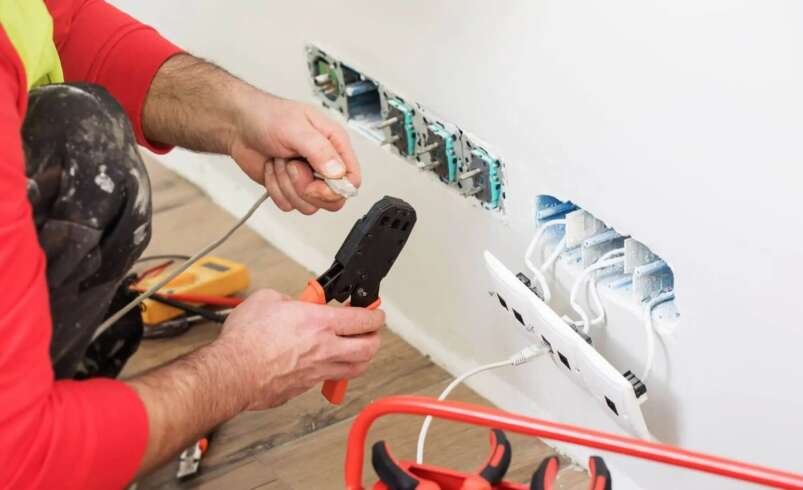

A flickering light, a warm outlet, or a breaker that trips every few days can seem like a small nuisance. In an Orlando home, though, those symptoms can point to an overloaded circuit, damaged connection, poor grounding, or wiring that no longer suits the way the house is being used. Altech Electric of Central Florida, Inc shares this perspective from the practical side of residential electrical work. Good wiring is not just about putting cable behind a wall; it is about matching circuits, protection, devices, and loads to the home.
What This Service Covers in an Orlando Home
The wiring system carries power from the service equipment and distribution panel to outlets, switches, lights, appliances, and other fixed equipment. A proper installation also includes correctly sized conductors, junction boxes, grounding, overcurrent protection, and connections that are accessible where required.
For homeowners, the work can range from adding a dedicated circuit for an appliance to replacing damaged cable, rewiring a room, or updating an older house. Residential Electrical Wiring in Orlando, FL becomes especially relevant during kitchen remodels, room additions, garage conversions, and major appliance upgrades because the existing circuits may not have enough capacity for the new load.
In Orlando, we’ve noticed that most homeowners first think about wiring after a visible symptom appears. The less obvious issue is often capacity: a home may still function normally while several modern appliances share circuits that were never designed for today’s electrical demand.
Central Florida’s heat and humidity also deserve attention. Attics can become extremely hot, and moisture intrusion from storms or roof problems can affect electrical components. That does not mean every older cable is unsafe, but it does make conditions, installation methods, and location worth checking.
A sound assessment should look beyond a single outlet. An electrician may inspect the panel, test circuits, check receptacles and switches, verify grounding and bonding, and determine whether a problem is isolated or part of a larger circuit issue. That broader view is one of the main differences between simply replacing a device and properly diagnosing a wiring concern.
The Real Electrical Challenge in Orlando, FL
Orlando homes vary widely in age and construction. A newer subdivision may have a relatively modern electrical system, while an older property may have undergone several remodels, additions, or DIY changes over the years. That history can create mismatched circuits, abandoned wiring, crowded junction boxes, or outlets that no longer meet the needs of the household.
A client in Orlando reached out after noticing that lights dimmed whenever a large appliance started. The first assumption was that the appliance was failing, but testing showed the concern was related to the circuit and connections serving that area. After tracing the circuit and checking the panel, the electrical scope became clearer, allowing the homeowner to address the actual cause instead of replacing an appliance unnecessarily.
That raises an objection many homeowners have: “If everything still works, why pay for an inspection?” The answer is that electrical problems do not always announce themselves with a complete power failure. Loose terminations, overloaded circuits, heat-damaged connections, or inadequate protection can remain hidden until the load increases.
Another question that gets less attention is whether a homeowner needs a full rewire. Usually, the answer cannot be determined from the home’s age alone. A professional needs to identify the wiring type, condition, grounding, circuit layout, previous alterations, and the amount of work needed to correct deficiencies. In some houses, targeted repairs or partial rewiring make more sense than replacing every circuit.
Current Orlando cost guides also show why scope matters so much: small circuit work and whole-home rewiring can sit in very different price ranges, and factors such as access, materials, home size, and permitting can change the final figure. A written scope is more useful than a vague “rewiring price.”
How Altech Electric of Central Florida, Inc Approaches It Differently
A careful wiring project starts with diagnosis rather than assumptions. The first step is to identify what the homeowner is experiencing, which rooms or equipment are affected, and whether the issue is new or recurring. From there, the electrician can trace relevant circuits, inspect the panel and devices, and determine how the existing installation is configured.
For the company, that type of assessment is the useful starting point for Electrical Wiring Services. The goal is to define the actual work before installation begins: which circuits need attention, what conductor and protection are appropriate, whether a new circuit is required, and whether panel capacity or grounding needs to be addressed.
One gap in many generic wiring articles is the “after” stage. A wiring job should not end when cable is pulled and devices are installed. The finished system should be tested, circuits should be identified at the panel, protective devices should be checked, and the homeowner should understand what was changed.
That documentation matters during future repairs or renovations. If a circuit is clearly labeled and the work performed is known, the next electrician has a better starting point. It can also reduce confusion when an inspection, insurance question, remodel, or home sale brings attention back to the electrical system.
Permits may also be required depending on the work. Florida electrical projects are governed by the applicable electrical code and local permitting requirements, so homeowners should ask who handles permits and inspections before work begins. Current Orlando-area service information shows that permitting is a normal consideration for larger residential electrical projects rather than something to leave until the end.
Practical Tips: What to Know Before You Decide
Before approving any wiring project, ask for a clear description of the problem and the proposed fix. A useful estimate should identify the circuits or areas involved, major materials, devices, panel work, permits where applicable, and any wall or ceiling access that may be needed.
Working with clients in Orlando, our team found that homeowners often focus on the number of outlets or fixtures being added and overlook the circuit behind them. A new outlet is only useful if the circuit can safely support the intended load. High-demand equipment may need a dedicated circuit rather than another connection to an existing general-purpose circuit.
Here are several practical checks:
- Ask what caused the problem. “Replacing the outlet” is different from finding why the outlet overheated.
- Confirm circuit capacity. New appliances, EV charging equipment, workshop tools, and HVAC-related loads can change demand.
- Check the panel. Breaker spaces, service capacity, labeling, grounding, and signs of overheating can all affect the project.
- Discuss access. Attics, finished walls, cabinets, and tight crawlspaces can affect labor and repair time.
- Ask about protection. Depending on the location and circuit, AFCI or GFCI protection may be relevant.
- Get the scope in writing. Know what testing, installation, patching, cleanup, permits, and inspections are included.
One Orlando-specific tip is to schedule non-urgent electrical upgrades before storm-related demand increases. Severe weather can increase the need for generator connections, surge protection, repairs, and other electrical work, which can make scheduling harder during busy periods.
Price should also be treated as a project variable, not a fixed menu item. Current Orlando estimates vary substantially by job type, from smaller service work to panel upgrades and full rewiring. Two homes with the same square footage can have very different costs because access, existing wiring, circuit layout, and required corrections are not identical.
A final practical point: do not assume a breaker that trips is simply “too sensitive.” A breaker may be responding to overload, a fault, or another condition that needs diagnosis. Repeatedly resetting it without finding the cause can turn a warning sign into a larger safety issue.
Conclusion
Good electrical work begins with understanding the existing system, not guessing from a symptom or choosing the lowest number on an estimate. If your Orlando home has recurring breaker trips, warm outlets, flickering lights, missing grounding, or plans for a major electrical load, have the affected circuits assessed before adding more equipment. Altech Electric of Central Florida, Inc can be part of that evaluation for wiring work in Orlando, FL, with the next step being a clear scope of what needs to be repaired, replaced, or upgraded.
FAQs
1. What are the signs that a home needs electrical rewiring?
Warning signs include frequent breaker trips, flickering or dimming lights, warm or discolored outlets, buzzing sounds, burning odors, loose connections, and ungrounded two-prong receptacles. Older homes may also contain outdated wiring types. One symptom does not automatically mean a full rewire is needed, so a circuit-level inspection is the sensible first step.
2. How much does electrical wiring cost in Orlando?
Pricing varies by the number of circuits, wiring type, access, panel capacity, devices, permits, and whether the project involves a repair, partial rewire, or whole-home replacement. Orlando cost guides show a wide spread between small wiring jobs and full rewiring. Ask for a written scope so you can compare estimates on equal terms.
3. Do I need a permit for residential electrical wiring in Orlando?
Many electrical projects require permits and inspection, although requirements can depend on the exact work. Adding or modifying circuits, panels, and larger rewiring projects commonly involve permitting, while minor fixture changes may be treated differently. Ask the electrician to explain whether your project requires a permit and who will arrange the inspection before work starts.
4. How can I tell if an electrician is legitimate?
Check that the contractor is properly licensed for the work, carries appropriate insurance, and is willing to provide clear written information about the scope. You can also review recent customer feedback and ask who will perform the work. A trustworthy electrician should explain the diagnosis, pricing, permits, and testing without pressuring you into unnecessary upgrades.
5. Should I add more outlets or install a new circuit?
Adding an outlet does not automatically increase the circuit’s capacity. If the existing circuit already carries a heavy load, another receptacle may not solve the problem safely. A new dedicated circuit can be appropriate for equipment such as large appliances or EV chargers. The correct choice depends on the panel, conductor size, protection, and expected load.