
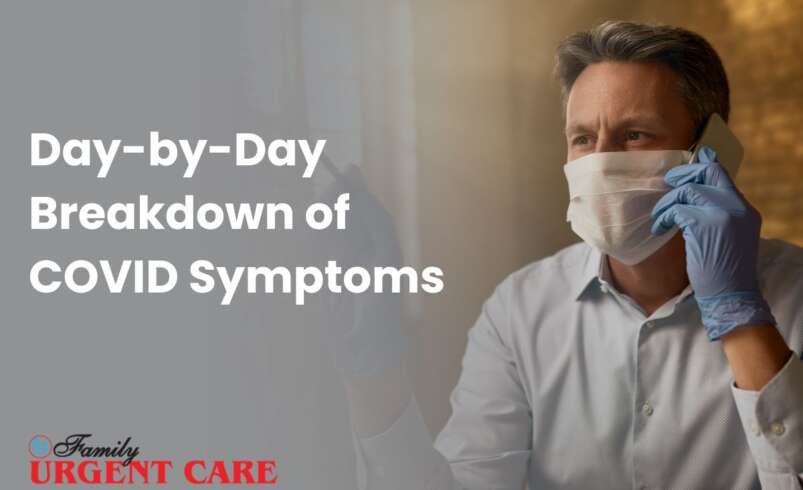

COVID-19 continues to circulate in 2026, although the way it presents has changed compared with the early years of the pandemic. Understanding covid progression 2026 can help you recognize symptoms early, monitor your recovery, and know when medical evaluation is necessary. Most people experience mild to moderate illness, but older adults, pregnant individuals, and people with weakened immune systems or chronic medical conditions remain at higher risk for complications.
Day 1–2: Early Symptoms
The first stage of covid progression 2026 often resembles a common cold. Many people notice a sore throat, nasal congestion, mild cough, fatigue, headache, or muscle aches. Some may develop a low-grade fever or chills. Unlike earlier variants, loss of taste or smell is less common but can still occur.
At this stage, it’s a good idea to stay home, rest, drink plenty of fluids, and consider COVID testing if symptoms are consistent with infection.
Day 3–5: Symptoms May Peak
For many patients, symptoms become more noticeable between days three and five. Fatigue may increase, cough can become more persistent, and fever may continue. Some people also experience body aches, sinus congestion, or digestive symptoms such as nausea or diarrhea.
This period is an important part of covid progression 2026 because healthcare providers monitor for signs that the illness is worsening. Individuals with chronic lung disease, heart disease, diabetes, or weakened immunity should pay close attention to any changes in breathing or overall health.
Day 6–8: Recovery Begins for Most People
Most healthy adults begin to feel better during the second week. Fever often resolves, energy slowly returns, and congestion starts to improve. However, coughing and tiredness may continue for several more days.
Even if symptoms improve, it’s important to continue following public health recommendations to reduce the risk of spreading infection to others.
Day 9–14: Continued Improvement
By the end of the second week, many people recover significantly from covid progression 2026. Mild fatigue or an occasional cough may linger, but daily activities gradually become easier.
Some individuals, especially those who experienced more severe illness, may require additional recovery time. Persistent symptoms lasting several weeks should be discussed with a healthcare provider to rule out complications or post-COVID conditions.
When to Seek Medical Care
Although most COVID infections are mild, medical evaluation is important if you experience:
- Difficulty breathing
- Chest pain or pressure
- Confusion or difficulty staying awake
- High fever that does not improve
- Symptoms that worsen instead of improving
- Dehydration or inability to keep fluids down
People at higher risk for severe illness should contact a healthcare provider early if they develop COVID symptoms, as timely treatment may reduce complications.
Tips for Recovery
To support recovery during covid progression 2026, consider these general recommendations:
- Get plenty of rest.
- Stay well hydrated.
- Eat nutritious meals as tolerated.
- Follow your healthcare provider’s advice.
- Monitor symptoms daily.
- Avoid close contact with others while you are sick.
If symptoms become severe or breathing difficulties develop, seek immediate medical attention.
Final Thoughts
Understanding covid progression 2026 can help you recognize the typical course of illness and respond appropriately if symptoms change. While many people recover within one to two weeks, every individual is different. Monitoring your symptoms, staying hydrated, resting, and seeking medical care when necessary can support a safer recovery. For additional guidance on COVID symptoms from day 1 to day 14, visit the Family Urgent Care resource and consult a healthcare professional if your condition worsens.