

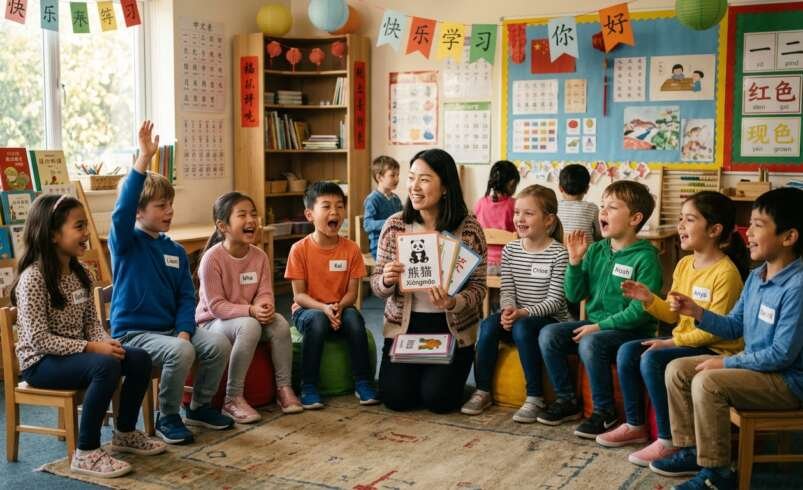

If you have been going back and forth on whether to enroll your child in a new activity, you are certainly not alone. Parents often want three simple answers before committing, why does it matter, when should we start, and how does it actually work. When it comes to a chinese after school program, those answers can make the decision feel much clearer.
Let us walk through each question one at a time.
Why This Kind of Program Truly Matters
Learning Mandarin offers children more than just a new language skill. It sharpens memory, builds cultural awareness, and often boosts confidence as they master something genuinely challenging and unfamiliar.
Why the Benefits Extend Beyond Language Itself
Many parents notice improvements in focus, patience, and even academic performance in other subjects as their child continues practicing Mandarin consistently.
When the Right Time to Begin Really Is
While many programs welcome children starting around five years old, readiness often depends more on curiosity and comfort in group settings than strict age requirements.
When Waiting a Little Longer Can Help
If your child is currently adjusting to other major changes, such as a new school or sibling, giving them time before adding a new activity can lead to a smoother start.
How These Programs Are Typically Structured
Most classes run about an hour, blending listening, speaking, games, and gradually introduced writing practice, all designed specifically with young attention spans in mind.
How Weekly Consistency Builds Skill
Attending once or twice a week consistently tends to build stronger retention than occasional, irregular sessions scattered throughout the month.
How Children Progress Over Time
In the early weeks, expect simple greetings and basic vocabulary. Within several months, many children begin forming short phrases, and by the end of a year, simple conversations often become possible.
How Parents Can Support This Growth
Small efforts, such as practicing a few words together or watching a short Chinese video, can reinforce classroom learning without adding pressure at home.
Final Thoughts
Understanding the why, when, and how behind this decision can turn uncertainty into confidence. A thoughtfully chosen chinese after school program offers your child a meaningful skill that grows steadily with consistent, enjoyable practice.
If you are ready to take the next step, consider scheduling a trial class at a chinese after school program to see firsthand how it fits your child.
FAQs:
Q: Why should I choose this over other extracurricular activities?
It offers unique cognitive and cultural benefits that few other activities provide in the same way.
Q: When should I expect to see noticeable progress?
Many parents notice small improvements within a few months of consistent attendance.
Q: How many sessions per week are generally recommended?
Most programs suggest one to two sessions weekly for steady, manageable progress.
Q: Why do some children take longer to warm up to lessons?
New languages can feel unfamiliar at first, though most children settle in comfortably within a few weeks.
Q: How can I tell if the program is truly working?
Watch for growing vocabulary, enthusiasm about class, and small moments of confident speaking at home.