

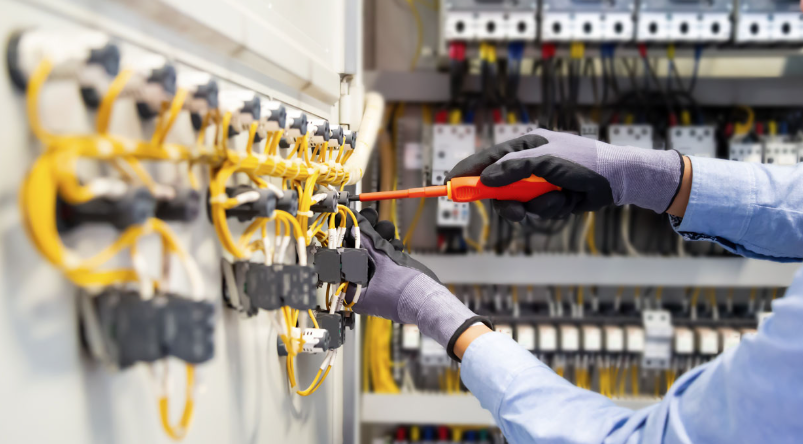

Lights that flicker or dim unexpectedly can be more than a minor annoyance. They may indicate an overloaded circuit, loose wiring, an aging fixture, or another electrical issue that needs attention. If the problem keeps happening, professional Electrical troubleshooting Longview, TX can help identify the cause and determine whether repairs are needed. Understanding common reasons for flickering lights can also help homeowners recognize potential warning signs before a small issue becomes a larger electrical problem.
Loose or Damaged Wiring
Loose electrical connections are one of the common causes of flickering lights. A loose wire may interrupt the flow of electricity, causing a light to flicker, dim, or briefly go out. Connections can become loose because of aging, vibration, previous electrical work, or normal wear.
Damaged wiring can create similar symptoms. Worn insulation, deteriorated connections, or damaged conductors may prevent electricity from flowing consistently. Because wiring problems can create heat and increase the risk of electrical fires, they should not be ignored.
If several lights in your home flicker at different times, the problem may involve wiring or another part of the electrical system rather than one light fixture.
Overloaded Circuits
An electrical circuit can only safely handle a certain amount of electrical demand. When several high-power appliances operate on the same circuit, the increased load may cause lights to dim temporarily.
For example, you might notice lights dim when an air conditioner, refrigerator, microwave, or other high-powered appliance starts running. Some brief changes can occur because certain appliances require extra current when their motors start. However, frequent or severe dimming may indicate that the circuit is under excessive strain.
An electrician can evaluate the circuit and determine whether the electrical load is appropriate for the wiring and equipment.
Problems With Light Bulbs
Sometimes the simplest explanation is the correct one. A loose, damaged, or defective light bulb can cause flickering. LED bulbs may also flicker when they are incompatible with a dimmer switch or when the bulb itself has a problem.
Before assuming there is a major electrical issue, turn off the fixture and allow it to cool. Then make sure the bulb is properly installed. Replacing the bulb with a compatible, high-quality option may resolve the problem.
If a new bulb continues to flicker, the fixture, switch, wiring, or circuit may require further inspection.
Faulty Light Switches
A worn or defective light switch can interfere with the electrical connection to a fixture. Flickering may occur when the switch is turned on, or the light may change brightness when the switch is touched or moved.
Older switches can develop internal wear over time. A loose connection behind the switch can also contribute to inconsistent operation.
Signs such as buzzing, crackling, warmth, discoloration, or a burning smell around a switch require prompt attention. Avoid continuing to use a switch that shows these warning signs until the issue has been professionally evaluated.
Incompatible Dimmer Switches
Modern LED bulbs do not always work correctly with older dimmer switches. Some combinations can produce flickering, buzzing, or inconsistent brightness.
If the problem only affects lights controlled by a dimmer, compatibility may be an important factor. Using bulbs specifically designed for dimming and a compatible dimmer switch can often solve the problem.
When replacing a dimmer, it is important to ensure that the device is suitable for the type and total wattage of the connected lights.
Voltage Fluctuations
Changes in voltage can affect lighting throughout a property. If multiple lights dim or brighten at the same time, the issue may extend beyond a single bulb or fixture.
Voltage fluctuations can sometimes be associated with heavy electrical loads, equipment problems, or issues involving the electrical supply. If lights throughout the home repeatedly change brightness, professional testing can help determine where the problem originates.
This type of issue should not be dismissed simply because the lights eventually return to normal.
Aging Electrical Components
Electrical systems contain many components that can wear out over time. Older fixtures, switches, outlets, breakers, and wiring may not perform as reliably as newer equipment.
Homes with older electrical systems may experience flickering lights for several reasons. Previous modifications may also have introduced connections or components that are no longer suitable for current electrical demands.
A professional inspection can help identify aging components and determine whether repair, replacement, or an electrical system upgrade is appropriate.
Issues With the Main Electrical Panel
If flickering affects numerous rooms or occurs when major appliances turn on, the electrical panel may need to be inspected. Breakers, connections, and other panel components can develop problems that affect power distribution.
A panel issue should never be handled casually. Electrical panels contain components that can remain energized even when individual circuits are switched off. Qualified professionals should perform testing and repairs involving the panel.
When Should You Seek Professional Help?
Occasional flickering from a loose bulb may be easy to resolve, but persistent or widespread flickering deserves attention. Contact an electrical professional if lights frequently flicker, multiple rooms are affected, breakers repeatedly trip, outlets become warm, or you notice burning odors, buzzing, sparks, or discoloration.
It is especially important to investigate sudden changes in electrical performance. Identifying the underlying cause can help prevent equipment damage and reduce the risk associated with electrical faults.
Preventing Recurring Lighting Problems
Regular electrical maintenance can help identify potential issues before they become serious. Avoid overloading outlets, use bulbs that match fixture requirements, and replace damaged cords or electrical components.
Homeowners should also pay attention to changes in lighting behavior. Keeping track of when flickering occurs can provide useful information for an electrician. For example, noting whether the problem happens when a specific appliance starts can help narrow down possible causes.
Final Thoughts
Flickering or unexpectedly dimming lights can result from something as simple as a loose bulb or as serious as a wiring, circuit, panel, or voltage problem. The location, frequency, and pattern of the flickering can provide important clues about the underlying cause.
When lighting problems continue or affect multiple areas of a property, professional evaluation is a practical way to identify electrical concerns. Addressing problems early can help maintain reliable lighting, protect electrical equipment, and support a safer home electrical system.