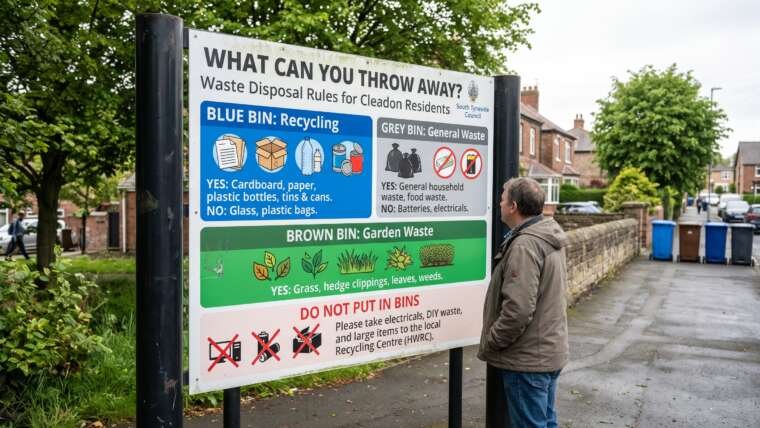


Managing household rubbish properly is essential for keeping homes, streets, and public spaces clean. From everyday packaging to unwanted furniture and garden materials, different types of waste require different disposal methods. Understanding waste disposal Cleadon guidelines can help residents make responsible decisions about what they can throw away, recycle, or arrange for specialist collection.
Whether you are cleaning your home, renovating a property, or clearing your garden, knowing the correct disposal methods can save time and reduce environmental problems. This guide explains the main types of household waste and how Cleadon residents can manage them responsibly.
Understanding Household Waste Categories
Household waste includes materials produced through everyday activities such as cooking, cleaning, shopping, and gardening. However, not every item can be placed in the same rubbish bin.
Common household waste categories include:
- General domestic rubbish
- Recyclable packaging and containers
- Garden and green waste
- Bulky furniture and appliances
- Electrical and hazardous materials
Separating these materials before disposal makes waste management easier and helps recycling facilities process suitable items more effectively.
Residents should check the latest local council guidance to understand which materials are accepted through regular household collections.
What Can Go Into General Waste Bins?
General waste bins are intended for everyday household rubbish that cannot be recycled through standard collection services.
Examples may include used tissues, contaminated packaging, certain food wrappers, and other non-recyclable domestic materials.
Before placing an item in a general waste bin, consider whether it can be reused or recycled. Reducing unnecessary rubbish helps limit the amount of waste sent to landfill.
It is also important to avoid placing batteries, chemicals, electrical equipment, and other restricted materials in ordinary household bins.
Recycling Rules for Cleadon Residents
Recycling is an important part of responsible waste management. Many everyday materials can be processed and turned into new products instead of being discarded.
Paper and Cardboard: Newspapers, magazines, cardboard packaging, and clean paper products are commonly accepted through recycling services.
Plastic Containers: Certain plastic bottles, tubs, and containers can be recycled depending on local collection arrangements.
Glass Bottles and Jars: Empty glass containers may be accepted through designated recycling collections.
Metal Packaging: Aluminium drinks cans and steel food tins are often suitable for recycling.
Before recycling containers, remove leftover food and liquids where possible. Keeping materials clean and separating them correctly helps prevent contamination.
Always follow local recycling instructions because accepted materials can differ between collection areas.
How to Dispose of Garden Waste
Garden maintenance can generate a considerable amount of organic rubbish throughout the year. Common examples include grass cuttings, leaves, weeds, hedge trimmings, and small branches.
There are several responsible ways to manage these materials.
Home composting is a useful option for suitable garden waste. It allows organic materials to break down naturally and produce compost that can improve garden soil.
Residents may also be able to use an appropriate garden waste collection service. Larger branches, soil, stones, and landscaping materials may require separate arrangements.
Keeping garden waste away from general rubbish makes outdoor clearance more organised.
Rules for Disposing of Bulky Household Items
Large household items often require special collection arrangements because they cannot fit inside ordinary rubbish bins.
Examples include:
- Sofas and armchairs
- Mattresses and bed frames
- Wardrobes and cabinets
- Dining tables and chairs
- Large electrical appliances
Before arranging disposal, consider whether unwanted furniture can be donated, sold, or reused. Items in good condition may still be useful to other households.
For belongings that cannot be reused, residents can investigate local bulky waste collections or authorised recycling facilities. Check accepted items, booking requirements, and possible charges before arranging collection.
Electrical and Hazardous Waste Disposal
Certain household materials require additional care because they can contain harmful substances or create safety risks.
Examples include batteries, televisions, computers, fluorescent lights, paints, solvents, oils, and cleaning chemicals.
Electrical equipment should be taken to appropriate recycling facilities or collection points. Batteries should also be separated and placed in designated battery recycling containers.
Hazardous materials must never be poured into drains or disposed of carelessly. Asbestos-containing materials require specialist handling and should not be treated as ordinary household rubbish.
Always check the correct disposal instructions before handling unfamiliar materials.
When to Arrange Professional Waste Removal
Standard household collections may not be suitable for larger clearance projects. Renovations, property moves, garage clearances, and garden improvements can produce more rubbish than regular bins can accommodate.
Professional waste removal services can help collect and transport suitable unwanted materials. Before booking, explain the type and quantity of waste so the provider can confirm whether it accepts those items.
It is also important to check the company’s waste carrier registration, pricing, collection arrangements, and disposal practices.
Choosing an appropriate service can make large clearance projects more convenient and help ensure waste is managed responsibly.
Why Responsible Waste Disposal Matters
Proper waste disposal benefits both the environment and the local community. Recycling helps conserve natural resources, while responsible rubbish collection reduces litter and prevents unwanted materials from damaging public spaces.
Poor waste management can attract pests, create unpleasant surroundings, and contribute to pollution.
Residents can make a positive difference by separating rubbish, avoiding unnecessary waste, reusing suitable belongings, and following local disposal guidance.
Conclusion
Understanding waste disposal rules helps Cleadon residents manage household rubbish safely and responsibly. General waste, recyclable packaging, garden materials, bulky furniture, and hazardous items all require suitable disposal methods.
By following local council instructions and using appropriate collection services, households can reduce landfill waste and maintain cleaner surroundings. Small everyday actions can make a meaningful contribution towards a healthier and more sustainable community.