

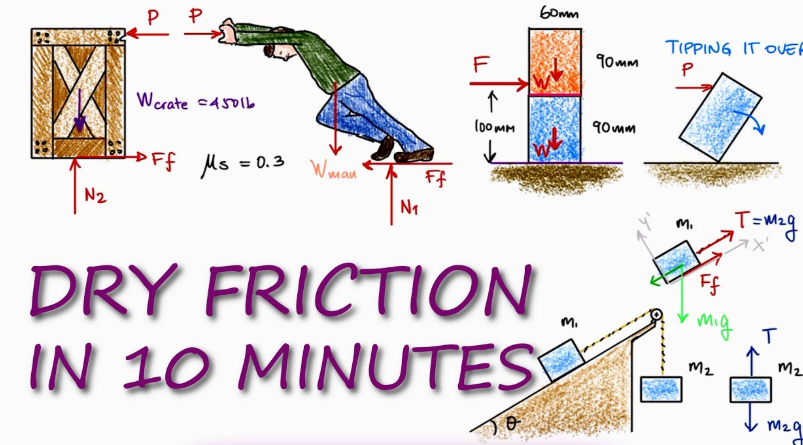

Managing fluid resistance is an important part of improving efficiency, protecting equipment, and supporting consistent performance in industrial operations. Products such as FRXD Dry Friction Reducer can help address friction-related challenges by reducing resistance between surfaces and supporting smoother movement. When fluid systems are properly managed, businesses can improve operational reliability, control energy use, and reduce unnecessary wear across equipment and components.
Understanding Fluid Resistance
Fluid resistance refers to the forces that oppose the movement of a fluid or an object through a fluid. It can occur in pipelines, pumps, drilling systems, hydraulic equipment, and other industrial applications. Factors such as viscosity, pressure, temperature, pipe design, flow rate, and surface friction can influence the amount of resistance present in a system.
High resistance can make equipment work harder to maintain the required flow or movement. Over time, this can increase energy consumption and place additional stress on mechanical components. Managing resistance helps maintain more efficient operating conditions and can contribute to longer equipment service life.
Improved Flow Efficiency
One of the primary benefits of managing fluid resistance is improved flow efficiency. Fluids must move through pipes, channels, and equipment with enough pressure to overcome resistance. Excessive friction can reduce flow rates and require additional energy to maintain desired performance.
Reducing unnecessary resistance allows fluids to move more smoothly through a system. This can be particularly useful in operations where consistent flow is important. Better flow characteristics may also help operators maintain production targets while using equipment more efficiently.
Lower Energy Consumption
Fluid systems often require pumps, motors, compressors, or other mechanical equipment to maintain movement. When resistance increases, these components may need to operate at higher loads. This can increase energy consumption and operating costs.
Effective resistance management can reduce the amount of energy required to move fluids through a system. Even small improvements in efficiency can become significant when equipment operates continuously or handles large fluid volumes. Monitoring resistance and addressing friction-related issues can therefore support better energy management.
Reduced Equipment Wear
Friction is a major contributor to mechanical wear. Components that repeatedly operate under high resistance can experience additional stress and deterioration. Pumps, valves, seals, pipes, drilling equipment, and other parts may be affected when operating conditions are not properly controlled.
Managing fluid resistance can help reduce unnecessary mechanical strain. Smoother operation may limit excessive wear on components and support more predictable maintenance requirements. This does not eliminate normal equipment aging, but it can help reduce avoidable stress caused by inefficient fluid movement.
Better Equipment Performance
Equipment is generally designed to operate within specific pressure, flow, and temperature ranges. Excessive resistance can make it harder for machinery to maintain those conditions. As a result, equipment may perform below its intended capacity.
By controlling resistance, operators can create more favorable operating conditions. Pumps can maintain required flow more effectively, pipelines can support smoother transportation, and other fluid-handling systems can operate with fewer resistance-related challenges.
Support for Production Efficiency
Industrial operations depend on reliable processes. Delays caused by restricted flow, excessive friction, or equipment problems can affect production schedules. Managing fluid resistance can help create a more stable operating environment.
Consistent fluid movement is especially important in processes where changes in flow can affect product quality or production rates. By identifying resistance issues early and applying appropriate solutions, operators can reduce disruptions and maintain more consistent processes.
Potential Maintenance Benefits
Unexpected maintenance can be costly because it may involve replacement parts, labor, equipment downtime, and lost production. Excessive resistance can contribute to wear that eventually requires corrective maintenance.
A proactive approach to resistance management allows operators to monitor system performance and identify unusual changes. If pressure requirements or flow behavior change, these signs may indicate developing issues. Addressing problems before they become severe can help support planned maintenance and reduce the likelihood of unexpected failures.
Improved System Reliability
Reliability is another important advantage of managing fluid resistance. A system that operates under excessive friction may experience greater mechanical stress and inconsistent performance. These conditions can make it difficult to maintain dependable operations.
Effective resistance management supports smoother system operation. When equipment experiences appropriate operating conditions, components may function more consistently. This can help businesses maintain reliable processes and reduce interruptions associated with avoidable performance issues.
Considerations When Choosing a Friction-Reducing Solution
The appropriate approach to fluid resistance depends on the application. Operators should consider the type of fluid, equipment design, operating temperature, pressure, flow requirements, and material compatibility before selecting a solution.
It is also important to understand how a friction-reducing product is intended to work and whether it is suitable for the specific system. Product specifications, application guidelines, and technical recommendations should be reviewed carefully. Testing under controlled conditions can also help determine whether a solution delivers the expected performance.
Why Resistance Management Matters
Fluid resistance is a normal part of many industrial processes, but excessive resistance can create unnecessary challenges. It can increase energy requirements, contribute to equipment wear, affect flow rates, and reduce overall efficiency.
Managing resistance provides a practical way to support smoother fluid movement and more reliable equipment operation. Whether an operation involves pipelines, drilling systems, pumps, or other fluid-handling equipment, understanding friction and resistance can help operators make better maintenance and efficiency decisions.
Ultimately, effective fluid resistance management is about maintaining balanced operating conditions. By monitoring system performance, reducing unnecessary friction, and selecting suitable technologies for each application, businesses can work toward improved efficiency, equipment protection, and dependable long-term performance.