


Understanding the Tick Problem in New York City
Ticks can become a serious outdoor pest problem for homeowners, families, and businesses across New York City. Professional ticks control NYC services can help identify tick activity, reduce tick populations, and protect outdoor areas where people and pets spend time. At Metropolitan Pest Services, located at 33 Uxbridge St, Staten Island, NY 10314, United States, our pest control services are designed to address common outdoor pests with practical and targeted solutions. Ticks are particularly concerning because they can remain hidden in grass, shrubs, leaf litter, and wooded areas, making them difficult to notice until someone or a pet comes into contact with them.
Many property owners assume ticks are only a problem in heavily wooded locations, but residential yards can also provide suitable conditions for tick activity. Tall grass, overgrown vegetation, shaded areas, damp soil, and piles of leaves can create favorable environments. Properties near parks, wooded spaces, trails, and natural areas may have an increased risk. Regular property inspections and professional pest management can make it easier to identify potential problem areas before tick activity becomes more difficult to manage.
Why Tick Control Matters for Staten Island Properties
Staten Island contains a mixture of residential neighborhoods, landscaped yards, parks, wooded areas, and natural spaces. This combination can create opportunities for ticks to move between vegetation, wildlife habitats, pets, and residential properties. Ticks do not simply appear in one area and remain there. They can be carried by wildlife and pets and can enter yards through vegetation and other outdoor pathways.
For homeowners, controlling ticks is about more than keeping the yard comfortable. It is also about reducing unnecessary exposure for family members and pets. Children often play close to the ground, while dogs and cats may explore vegetation where ticks can hide. A property that looks clean and well maintained can still have areas that support tick activity.
Professional pest control can help property owners understand where ticks are most likely to be found and which environmental conditions may be contributing to the problem. Instead of relying only on general spraying, an effective approach considers the property’s landscaping, vegetation, moisture levels, shaded areas, and potential wildlife activity.
Where Ticks Hide Around Your Property
Ticks prefer areas that provide protection from direct sunlight and excessive dryness. They may be found in tall grass, weeds, bushes, leaf litter, brush, and areas with dense vegetation. They can also be present around the edges of lawns where landscaped areas meet wooded or natural sections.
The boundary between a lawn and a wooded area can be particularly important. Ticks may remain in vegetation while waiting for a suitable host to pass nearby. Overgrown areas around fences, sheds, patios, garden beds, and property borders may also provide suitable hiding places.
Leaf piles are another area that should not be overlooked. Organic debris can retain moisture and create a sheltered environment. Keeping outdoor spaces maintained can therefore support a broader pest prevention strategy.
Homeowners should regularly inspect areas where vegetation is dense or where people and pets frequently move between lawns and natural areas. Professional inspections can provide additional information when tick activity is suspected.
Seasonal Tick Activity in NYC
Tick activity can vary throughout the year depending on temperature, moisture, vegetation, and local environmental conditions. Warmer seasons often bring more outdoor activity from people and pets, which can increase the chances of encountering ticks.
Spring and summer are especially important periods for outdoor pest prevention because families spend more time in yards, gardens, parks, and recreational areas. Fall can also present concerns because leaves and organic debris create suitable shelter for various outdoor pests.
A seasonal pest management plan can help homeowners prepare their property before outdoor activity reaches its peak. Rather than waiting until a tick is discovered on a person or pet, property owners can take preventive steps throughout the year.
Signs You May Have a Tick Problem
Ticks are small and can be difficult to detect. Unlike some household pests, they may not leave obvious signs such as damaged food, visible droppings, or structural damage. Their presence is often noticed when a person or pet finds a tick after spending time outdoors.
Finding ticks on pets, clothing, outdoor furniture, or family members may indicate that the surrounding property deserves closer attention. Repeated tick encounters are especially important because they may suggest that suitable tick habitats exist nearby.
Other warning signs include frequent wildlife activity, overgrown vegetation, thick ground cover, and properties that border wooded or unmanaged areas. These conditions do not automatically mean a property has a serious infestation, but they can increase the likelihood of tick activity.
If ticks are repeatedly found around the same outdoor areas, a professional pest control inspection can help determine the most appropriate management approach.
Professional Tick Management for Outdoor Areas
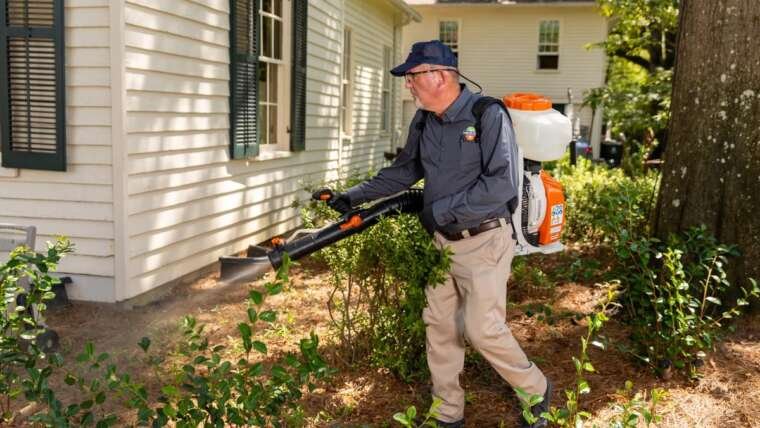
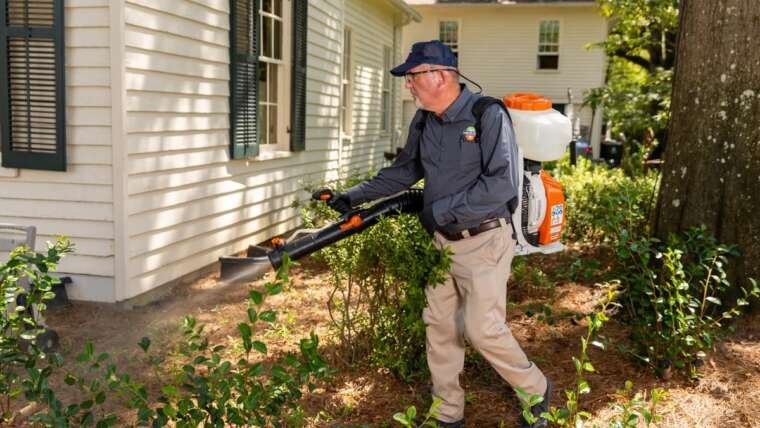
Effective tick management begins with understanding the property. A professional pest control technician can assess areas where ticks may be active and identify conditions that may support their presence.
Treatment may focus on suitable outdoor areas rather than applying products indiscriminately across the entire property. Depending on the situation, pest management may involve targeted treatment of vegetation, property edges, shaded areas, and other locations where ticks are likely to remain.
Property conditions are also important. Reducing excessive vegetation, keeping grass maintained, removing leaf buildup, and creating a clearer separation between lawn areas and wooded sections can make the environment less favorable for ticks.
At Metropolitan Pest Services, our approach focuses on practical pest control solutions designed around the conditions of each property. Professional treatment can be especially useful when homeowners have already taken basic prevention measures but continue to encounter ticks.
How Yard Conditions Influence Tick Activity
The condition of your yard can have a significant influence on outdoor pest activity. Moisture, shade, vegetation, and organic debris can create microenvironments where ticks are more likely to survive.
One useful approach is to think about the yard in zones. The center of a well maintained lawn may present different conditions from the edge of the property. Areas near shrubs, fences, wooded borders, gardens, and leaf piles may provide more shelter.
This is where tick and flea for yard management becomes an important part of broader outdoor pest prevention. Fleas and ticks can both affect pets and outdoor living areas, although they have different behaviors and life cycles. Addressing conditions that support these pests can help create a more comfortable outdoor environment.
Pet owners should also pay attention to areas where pets spend significant amounts of time. Dogs may move through grass and vegetation and can carry pests back into the home. Regular pet checks and appropriate veterinary advice can complement professional yard pest management.
Prevention Tips for Homeowners
Professional pest control works best when combined with sensible property maintenance. Homeowners can take several steps to make their yards less attractive to ticks.
Keep grass regularly trimmed and avoid allowing weeds and vegetation to become excessively overgrown. Remove accumulated leaves and organic debris from areas around the home. Trim shrubs and plants where practical, particularly when they become dense enough to create shaded ground-level conditions.
Homeowners should also pay attention to property borders. If a yard directly connects with wooded or heavily vegetated areas, maintaining a clear transition can help reduce the movement of pests into frequently used lawn spaces.
Outdoor furniture, play areas, and recreational spaces should be kept away from dense vegetation when possible. Regularly inspect pets after they have spent time outside, particularly around areas where ticks can easily remain hidden.
These measures do not guarantee that ticks will never enter a property, but they can support a comprehensive pest prevention strategy.
Why DIY Tick Treatments May Not Be Enough
Many homeowners try to manage outdoor pests with store-bought products. While some products may provide temporary results, DIY treatment may not address the environmental factors that contribute to ongoing tick activity.
A homeowner may treat visible grass but overlook shaded borders, dense vegetation, leaf buildup, or other areas where ticks may remain. Incorrect application can also reduce the effectiveness of a treatment.
Professional pest control provides a more structured approach. Technicians can identify potential problem areas, select appropriate treatment methods, and focus on locations that are more likely to contribute to ongoing activity.
Professional service can be particularly valuable when ticks continue appearing despite repeated homeowner treatments.
A Comprehensive Approach to Outdoor Pest Control
Ticks are only one type of pest that can affect outdoor spaces. Yards can also experience problems involving fleas, mosquitoes, ants, wasps, spiders, and other pests. Managing outdoor pest activity effectively requires understanding how different pests interact with the property.
For example, wildlife can contribute to tick activity by carrying ticks into residential areas. Pets can also transport ticks and fleas between outdoor spaces and homes. Vegetation can provide shelter, while moisture and organic debris can support a variety of pests.
A comprehensive pest control strategy considers these factors instead of treating each pest as an isolated problem. Metropolitan Pest Services provides pest control solutions for property owners looking for professional assistance with outdoor pest concerns in Staten Island and surrounding New York City areas.
Choosing Metropolitan Pest Services
Choosing a pest control company is an important decision because treatment quality depends on proper inspection, planning, application, and follow-up. Homeowners should look for a professional service that understands local pest conditions and takes the property’s specific environment into account.
Metropolitan Pest Services serves customers from 33 Uxbridge St, Staten Island, NY 10314, United States, with a focus on practical pest control solutions. Our team can help property owners address tick concerns while also considering other outdoor pests that may contribute to the problem.
Instead of waiting for repeated tick encounters, homeowners can take a proactive approach. Identifying potential risk areas, improving yard maintenance, and arranging professional pest management when needed can help reduce outdoor pest pressure.
Protect Your Yard With Professional Pest Management
Ticks can be difficult to detect and control because they often remain hidden in vegetation and protected outdoor areas. A property does not need to look neglected to have tick activity. Even maintained yards can experience problems when they are close to wooded areas, wildlife habitats, or dense vegetation.
The most effective approach combines prevention, property maintenance, professional inspection, and targeted pest management. Homeowners who regularly find ticks on pets, clothing, or family members should consider having their outdoor spaces evaluated.
Metropolitan Pest Services provides professional pest control services for homeowners and property owners in Staten Island and the surrounding New York City area. With the right strategy, you can make your yard less favorable to ticks and other outdoor pests while creating a more comfortable environment for your family and pets.
Frequently Asked Questions
1. What is the best way to control ticks in a yard?
Professional inspection and targeted outdoor pest treatment combined with proper yard maintenance can help reduce tick activity.
2. Are ticks common in Staten Island?
Ticks can occur in Staten Island, particularly around wooded areas, dense vegetation, and properties with suitable outdoor habitats.
3. Can ticks live in grass?
Yes, ticks can remain in tall grass and vegetation, especially in shaded and moisture-rich areas.
4. Does yard treatment help control fleas and ticks?
Targeted professional yard treatment can help reduce flea and tick activity in suitable outdoor areas.
5. How can I make my yard less attractive to ticks?
Keep grass trimmed, remove leaf debris, manage dense vegetation, and maintain clear borders around wooded areas.
6. Does Metropolitan Pest Services provide tick control?
Yes, Metropolitan Pest Services provides professional pest control solutions for tick and other outdoor pest concerns in Staten Island and nearby NYC areas.