
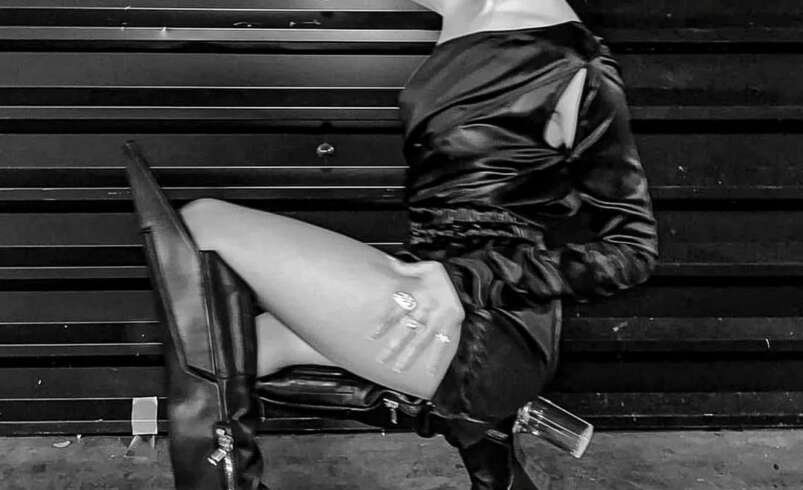

Rick Owens started, somehow kind of out past the shiny doors of the usual fashion places. He was in Los Angeles for a while, working quietly, getting better at pattern cutting through these smaller, not very glamorous production jobs. And that real, stubborn ground—like you can’t fake it—ended up shaping his instinct for how fabric actually behaves when a person is moving. Rather than chasing what’s hot, he built this personal way of seeing things, grounded in texture, shadow, and structure. His first shows felt raw, kind of unfiltered, almost like private little rituals, shared with strangers, yeah. And that rebellious base, it stayed in the background, quietly steering what happened on every runway after that, for decades.
Draping stuff starts to show up
As his brand grew up, draping became the real signature, the thing that you could recognize fast in any https://rickowns.com/ collection. He treated fabric like sculpture, letting it fold, twist, and hang with this intentional imperfection, like a deliberate looseness. The models would often walk with hunched shoulders, which made silhouettes feel ancient, but still strangely future-facing. This was a clear pushback against the sharp tailoring that was dominating the runways while he was rising. Instead, the garments seemed to sprout out of the body, rather than sitting there stiff and obedient. Critics eventually realized it wasn’t random chaos, it was chaos that had been controlled, with an actual artistic philosophy doing the work.
Paris runway reinvention kicks in
When Owens moved his shows to Paris, it became a serious turning point. The city’s fashion world gave him scrutiny, sure, but also that kind of creative validation you can’t really get anywhere else. He used that bigger stage to push his look farther into territory that felt unfamiliar. Muted palettes, exaggerated shapes, and weirdly specific casting choices started turning into hallmarks of his presentations. People began to wait for the shock element, but also for the real emotional hit during each seasonal unveiling. That stretch is what really locked in his reputation as fashion’s most fearless, kind of architectural minimalist, working right now.
Big theatrical staging choices
Over time, he turned simple clothing presentations into these unforgettable theatrical scenes, the kind you don’t just forget https://rickowns.com/rick-owens-jacket/. He added things like stepping performances, fog machines, and dramatic architectural backdrops. In one show, the models were even carrying each other across the runway floor, like a moving choreography experiment. Those moments blurred the line between fashion, performance art, and just plain physical endurance. They weren’t just tricks though, not gimmicks, more like extensions of his ongoing search for strength and vulnerability. Every staging decision, it kept reinforcing the emotional weight behind his minimalist, monochrome design language, without needing to say much.
Fashion Week cultural ripple effect
Rick Owens’ shows slowly became cultural reference points, way beyond normal industry talk and the usual headline cycle. Casting decisions—older models, larger bodies, and beauty choices that didn’t match the standard template—sparked a lot of discussion. That inclusivity felt genuine, not like a staged performance, which fit the rebellious spirit under the whole brand. Fashion journalists started treating his runway like a measure, a barometer, for deeper cultural change. Younger designers cited him as evidence that individuality can survive even when seasonal trends disappear. And now his influence reaches streetwear, luxury fashion, and independent design communities across the globe, more or less.
A lasting creative legacy
When you look back, Owens’ runway path shows this mix of patience, consistency, and a kind of fearless creative conviction. He never really abandoned his core aesthetic, even while the industry kept shifting its demands and expectations. Instead, he refined it, so the shows would feel timeless, not dependent on whatever trend cycle was running at the time. New audiences still keep discovering his archives, and somehow they find relevance in ideas that were made years earlier. His legacy is basically saying that authenticity, not spectacle by itself, is what keeps a creative career meaningful. Rick Owens still feels like proof that rebellion, when it’s disciplined, turns into lasting artistic influence.
FAQs
Q1: What makes Rick Owens’ runway shows unique?
It’s the raw draping, sculptural silhouettes, and theatrical staging, all together.
Q2: Why did Owens move his shows to Paris?
Because Paris gave him a bigger stage plus stronger creative credibility.
Q3: Does Owens follow typical fashion trends?
No, he leans into his own consistent aesthetic, not the usual chase.
Q4: How has Owens influenced fashion culture?
He pushed inclusive casting and unconventional beauty standards, widely.
Q5: Is his design style considered timeless?
Yes, his minimalist approach keeps resonating from one generation to another.