


Wildlife activity around residential properties can change significantly throughout the year. Temperature, rainfall, food availability, and changes in natural shelter can all influence where animals spend their time. When outdoor conditions become less favourable, wildlife may begin exploring homes, garages, attics, and crawl spaces for safer places to rest. Understanding these seasonal patterns can help homeowners recognise potential problems before they become serious.
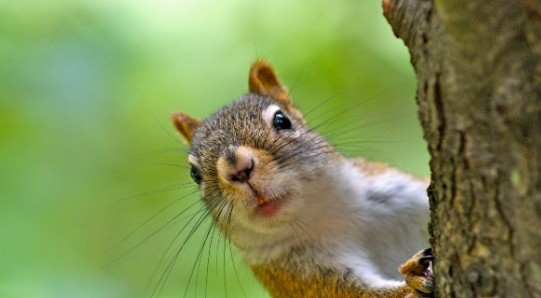
Squirrels are particularly active around homes because they are excellent climbers and can quickly move between trees, roofs, and other structures. When signs of nesting or repeated attic activity appear, timely squirrel removal can help prevent damage from becoming more extensive. Squirrels may tear insulation apart, chew wood, and damage electrical wiring while creating a protected nesting area.
How Seasonal Conditions Affect Wildlife
Wild animals respond naturally to changes in their surroundings. During warmer months, abundant vegetation and food may keep many species outdoors. As temperatures change, however, animals may begin searching for alternative sources of shelter.
Cold weather can encourage wildlife to seek warmer, enclosed spaces. Heavy rain may drive animals toward dry areas, while extremely hot conditions can make shaded locations more attractive.
Homes provide several advantages at once. Attics, crawl spaces, garages, and sheds can offer protection from weather while remaining relatively quiet and undisturbed.
Why Attics Become Common Nesting Areas
Attics offer many of the features wildlife seeks when selecting a nesting site. They are elevated, protected, and often contain insulation or other materials that can be used to build nests.
Squirrels may enter through damaged soffits, roof vents, loose flashing, or small openings near the roofline. Once inside, they can move around the attic without being noticed immediately.
Homeowners may first hear scratching, chewing, or running sounds during the morning or evening. Other signs include displaced insulation, nesting materials, droppings, and damage around possible entry points.
Food Sources Can Influence Wildlife Movement
Seasonal food availability is another important factor. When natural food becomes less accessible, wildlife may investigate residential properties more frequently.
Bird feeders, outdoor pet food, unsecured garbage, fallen fruit, and compost can all provide convenient food sources. Even small amounts of accessible food can encourage animals to return repeatedly.
Reducing these attractants does not eliminate wildlife from the surrounding environment, but it can make a property less appealing and reduce repeated activity near the home.
The Connection Between Rodents and Other Wildlife
Different wildlife problems can sometimes be connected. For example, a property with an accessible food supply may attract rodents, which can subsequently attract predators that feed on them.
Rodent activity may also indicate that a home has structural vulnerabilities or outdoor conditions that are supporting multiple species. Droppings, gnaw marks, scratching sounds, and damaged food packaging are common signs that rodents may be present.
For homeowners dealing with recurring activity, professional squirrel removal Columbia SC services can help identify nesting areas, locate possible entry points, and address conditions that allow rodents to remain around the property. Taking care of the underlying issue can also help reduce the food sources available to other wildlife.
Common Signs That Wildlife Is Entering Your Home
Not every wildlife problem is immediately visible. Animals often remain hidden behind walls or above ceilings, so homeowners should pay attention to indirect signs.
Some indicators include:
- Scratching or chewing sounds
- Damaged insulation
- Droppings in hidden areas
- Strong odors from enclosed spaces
- Chewed electrical wiring
- Openings around roof edges
- Nesting materials in attics or garages
Finding one of these signs does not always mean that a large infestation exists. However, repeated evidence should be investigated before the situation becomes more difficult to manage.
Preventive Steps for Every Season
Wildlife prevention should be part of regular property maintenance rather than something homeowners consider only after an animal enters the house.
Inspect the Roof
Check vents, soffits, flashing, shingles, and other roofing components for damage or gaps. Repairs should be completed before wildlife discovers an opening.
Keep Trees Trimmed
Branches that extend toward the roof can provide squirrels and other climbing animals with an easy route onto the structure.
Secure Food and Garbage
Use sealed garbage containers and avoid leaving pet food outdoors for extended periods. Clean birdseed from the ground regularly.
Maintain Outdoor Areas
Remove unnecessary piles of wood, leaves, debris, and unused materials that can provide shelter for wildlife.
Check Before Seasonal Changes
A quick inspection before winter, spring, or periods of severe weather can reveal vulnerabilities that might otherwise go unnoticed.
Why Early Action Can Save Money
Wildlife damage often becomes more expensive when it is ignored. A small opening may eventually become larger as animals repeatedly use it. Damaged insulation can affect energy efficiency, while chewed wiring may create additional safety concerns.
Addressing signs early gives homeowners a better opportunity to correct the problem before extensive repairs are required. Professional wildlife specialists can also help determine whether an issue involves a single animal, an established nesting site, or multiple entry points.
Maintaining a Wildlife-Resistant Property
Homeowners cannot completely prevent wildlife from existing around their properties, nor should they need to. The goal is to reduce opportunities for animals to enter living spaces while maintaining a healthy balance with the surrounding environment.
Seasonal inspections, proper landscaping, secure food storage, and timely repairs can make a significant difference. When wildlife does gain access to a home, professional assistance can provide a safer and more complete solution.
By understanding how seasonal changes influence animal behaviour and taking preventive action throughout the year, homeowners can reduce unexpected wildlife encounters and protect their homes from avoidable damage.