

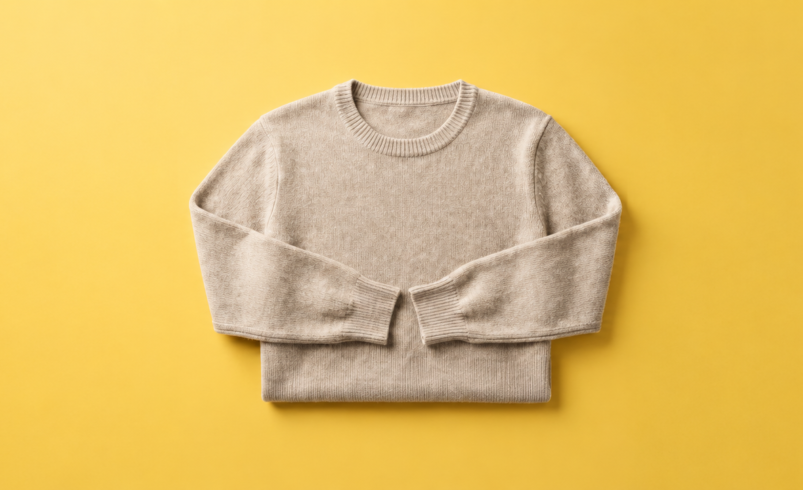

A quality cashmere sweater is more than just another item in your wardrobe. It is an investment in comfort, style, and long-term versatility. Few garments offer the same combination of softness, warmth, and timeless appeal that cashmere provides. Whether worn casually with jeans or layered under a tailored coat, cashmere remains one of the most luxurious and practical fabrics available. However, many people become disappointed when they notice pilling, stretching, or signs of wear after only a short period of ownership. In most cases, these issues are not the result of poor quality. Instead, they are often linked to improper care and maintenance.
For owners of Beige Cashmere Sweaters, understanding how to properly care for cashmere can significantly extend the life of the garment. A well-maintained sweater can continue looking elegant and feeling soft for many years. The secret lies in knowing how to manage pilling, use cashmere combs correctly, wash the fabric properly, and store it safely between seasons.
With the right approach, your favorite beige cashmere sweater can remain a reliable wardrobe staple long after many other knitwear pieces have been replaced.
Why Cashmere Requires Special Care
Cashmere fibers are incredibly soft because they are finer and more delicate than traditional wool fibers. This unique structure gives cashmere its signature luxurious feel, but it also means the fabric requires more attention than standard knitwear.
Unlike synthetic materials that can often withstand rough treatment, cashmere benefits from gentle handling. Frequent friction, improper washing methods, and poor storage practices can gradually reduce the appearance and longevity of the garment.
The good news is that cashmere is surprisingly durable when cared for properly. Many high-quality sweaters remain in excellent condition for years or even decades because owners understand how to protect the delicate fibers from unnecessary stress.
Learning a few basic care techniques can make a significant difference in the lifespan of your sweater.
Understanding What Pilling Really Means
One of the most common concerns among cashmere owners is pilling. Small balls of fiber can begin appearing on the surface of a sweater after repeated wear, leading some people to believe their garment is defective.
In reality, pilling is a completely normal characteristic of natural fibers. During wear, loose fibers naturally rise to the surface and become tangled through friction. Areas that experience frequent rubbing, such as under the arms, along the sides, or where bags and jackets make contact, are especially prone to pilling.
New cashmere sweaters often pill more during the first stages of ownership because loose surface fibers are still working their way out of the fabric. Over time, as these excess fibers are removed, pilling usually decreases.
Understanding this process helps owners view pilling as a manageable maintenance issue rather than a sign of poor quality.
Why Beige Cashmere Shows Pilling Differently
Although pilling occurs across all cashmere colors, Beige Cashmere Sweaters sometimes reveal pilling differently than darker garments. The lighter shade can make small fiber clusters more visible under certain lighting conditions.
This visibility does not mean beige cashmere pills more frequently. It simply means the texture changes may be easier to notice. Fortunately, because beige is such a versatile and elegant color, regular maintenance can keep the sweater looking polished and refined.
Routine care becomes especially important when maintaining lighter-colored knitwear because clean surfaces help preserve the garment’s luxurious appearance.
Using a Cashmere Comb Correctly
A cashmere comb is one of the most valuable tools a sweater owner can have. Designed specifically for delicate fibers, it helps remove pills without damaging the underlying fabric.
The process should always be gentle. Lay the sweater flat on a smooth surface and lightly pass the comb across the affected area. There is no need to apply significant pressure. The goal is simply to lift and remove loose fiber clusters while preserving the integrity of the knit.
Many people make the mistake of pulling pills off by hand. While this may seem harmless, it can actually stretch fibers and create additional wear. A dedicated cashmere comb provides a safer and more effective solution.
Regular combing helps maintain a smooth appearance while preventing small pills from becoming larger and more noticeable over time.
Avoiding Excessive Friction
Since friction is one of the primary causes of pilling, reducing unnecessary rubbing can significantly extend the life of a cashmere sweater.
Backpacks, shoulder bags, seat belts, and rough outerwear fabrics can all contribute to increased fiber wear. While it is impossible to eliminate friction entirely, being mindful of how the sweater interacts with other surfaces can make a difference.
For example, wearing a lightweight layer beneath the sweater can reduce direct contact with skin oils and perspiration. Similarly, choosing smoother jacket linings can help minimize fiber abrasion during regular use.
Small adjustments like these often have a surprisingly positive impact on long-term garment condition.
Washing Cashmere the Right Way
Many people hesitate to wash cashmere because they fear damaging the fabric. In reality, proper washing is one of the most important aspects of cashmere care.
Hand washing remains the preferred method. Use cool or lukewarm water along with a gentle detergent specifically designed for delicate fabrics. Allow the sweater to soak briefly before gently moving it through the water.
Aggressive scrubbing should always be avoided. Cashmere fibers respond best to gentle handling that cleans without creating unnecessary stress.
After washing, rinse thoroughly to remove any remaining detergent residue. Proper rinsing helps maintain softness while protecting the natural structure of the fibers.
Drying Without Damage
Drying cashmere correctly is just as important as washing it properly. One of the most common mistakes people make is hanging a wet sweater.
Water adds significant weight to the fabric, and hanging can cause stretching that permanently alters the garment’s shape. Instead, gently press excess moisture from the sweater using a clean towel.
Lay the sweater flat on a dry surface and reshape it carefully. Allow it to air dry naturally away from direct sunlight and intense heat sources.
This method helps maintain the original fit while preventing unnecessary stress on the fibers.
How Often Should Cashmere Be Washed
Unlike many everyday garments, cashmere does not require washing after every wear. In fact, excessive washing can contribute to unnecessary fiber wear.
Most cashmere sweaters benefit from occasional cleaning rather than frequent laundering. Allowing the sweater to rest between wears often helps the fibers recover naturally and maintain their appearance.
Many cashmere enthusiasts rotate multiple sweaters throughout the week to reduce strain on any single garment. This practice not only extends longevity but also helps preserve softness and shape.
Giving your sweater adequate recovery time can be one of the simplest yet most effective maintenance strategies.
Proper Storage Between Seasons
Storage plays a critical role in preserving cashmere. At the end of the cold-weather season, many people simply place sweaters in closets without considering long-term protection.
Before storing, ensure the sweater is clean. Even small amounts of body oils or food residue can attract pests over time. Fold the garment neatly rather than hanging it.
Storage containers, breathable garment bags, or dedicated sweater drawers provide excellent protection. Cedar products are often used to help discourage insects while maintaining freshness.
For Beige Cashmere Sweaters, proper storage also helps prevent discoloration and unnecessary exposure to dust or environmental contaminants.
Protecting Against Stretching
Cashmere naturally drapes beautifully, but improper handling can cause stretching. Hanging sweaters for extended periods is one of the most common causes.
Folding remains the safest storage method. When traveling, carefully fold the sweater rather than stuffing it into luggage compartments.
Paying attention to fit while wearing the sweater can also help. Repeatedly pulling on cuffs, collars, or hems may gradually affect the garment’s shape.
Gentle handling preserves the tailored appearance that makes cashmere so attractive.
Signs Your Cashmere Is Aging Well
Well-maintained cashmere often becomes even more enjoyable with age. As loose fibers settle and the fabric adapts to regular wear, many sweaters develop an exceptionally soft and comfortable feel.
A healthy cashmere sweater should maintain consistent softness, retain its shape, and exhibit only minimal pilling after routine maintenance. The knit should remain even and smooth without significant thinning or distortion.
These characteristics indicate that the garment is receiving appropriate care and will likely continue performing well for years to come.
Making Your Cashmere Investment Last
Quality cashmere is designed to provide long-term value, but achieving maximum longevity requires attention and care. Understanding how to manage pilling, use a cashmere comb properly, wash gently, dry correctly, and store responsibly can dramatically increase the lifespan of any sweater.
For owners of Beige Cashmere Sweaters, these maintenance habits help preserve both appearance and performance. The elegant neutral color, luxurious texture, and remarkable versatility of beige cashmere make it worthy of proper care. With consistent attention and a few simple routines, a favorite sweater can continue looking refined, feeling comfortable, and performing beautifully season after season.
Rather than viewing cashmere care as complicated or time-consuming, it is better to think of it as protecting an investment. A few minutes of maintenance today can help ensure your beige cashmere sweater remains a trusted wardrobe essential for many years to come.