

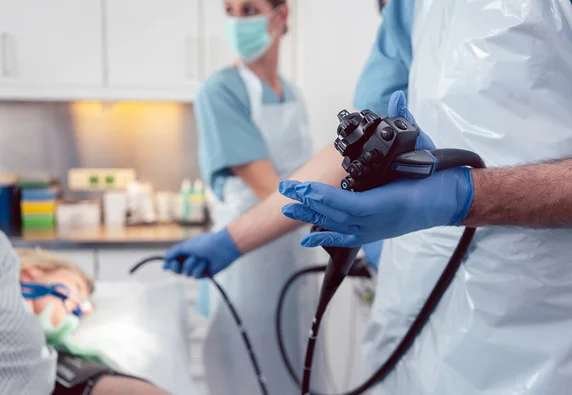

Digestive health plays an important role in overall well-being. However, persistent stomach pain, acidity, difficulty swallowing, unexplained vomiting, and changes in bowel habits can sometimes indicate underlying digestive problems that require medical attention. When symptoms continue despite basic treatment, doctors may recommend an endoscopy to examine the digestive tract more closely.
For many patients, the thought of undergoing an endoscopy can create anxiety. Concerns about discomfort, pain, preparation, and recovery are common. This is why painless endoscopy has become an important consideration for people seeking diagnostic digestive care. Choosing a reliable painless endoscopy hospital in Guwahati can help patients understand the procedure, discuss sedation options, and receive appropriate medical guidance.
This guide explains how endoscopy works, when doctors recommend it, what patients can expect, and how to prepare for the procedure.
What Is Painless Endoscopy?
Painless endoscopy is an endoscopic examination performed with appropriate sedation or other comfort measures to help minimise discomfort during the procedure. It allows doctors to examine the digestive tract using a thin, flexible tube equipped with a light and camera.
The camera sends images to a monitor, allowing the doctor to identify abnormalities such as inflammation, ulcers, bleeding, or unusual tissue changes.
Depending on the patient’s medical condition and the type of examination, the doctor may recommend sedation to make the experience more comfortable. However, painless does not necessarily mean completely sensation-free, and the level of comfort can vary between individuals.
How Does Endoscopy Work?
During an upper gastrointestinal endoscopy, also known as an upper GI endoscopy or gastroscopy:
-
The patient is asked to follow specific fasting instructions.
-
The medical team reviews the patient’s medical history and current medications.
-
A local anaesthetic spray or sedation may be used, depending on the procedure and clinical assessment.
-
A flexible endoscope is gently passed through the mouth into the oesophagus, stomach, and upper part of the small intestine.
-
The doctor examines the digestive tract through images displayed on a monitor.
-
If necessary, small tissue samples may be collected for laboratory examination.
The procedure generally takes a relatively short time, although preparation, sedation, and recovery can extend the overall hospital visit.
Why Do Doctors Recommend Endoscopy?
Endoscopy helps doctors investigate digestive symptoms that may not be fully explained through physical examinations or routine tests. It provides a direct view of the digestive tract and can help identify conditions that require further evaluation.
Common reasons for recommending an endoscopy include:
-
Persistent abdominal pain or discomfort.
-
Frequent acidity, heartburn, or acid reflux.
-
Difficulty or pain while swallowing.
-
Repeated nausea and vomiting.
-
Unexplained weight loss.
-
Suspected stomach or duodenal ulcers.
-
Gastrointestinal bleeding.
-
Persistent indigestion or bloating.
-
Suspected inflammation of the digestive tract.
-
Investigation of certain abnormal imaging or laboratory findings.
An endoscopy may also help doctors investigate conditions such as gastritis, oesophagitis, and certain infections, including Helicobacter pylori, when appropriate testing is performed.
Not every digestive symptom requires an endoscopy. A qualified doctor evaluates the patient’s symptoms, medical history, and examination findings before recommending the procedure.
Different Types of Endoscopy Used for Digestive Evaluation
Endoscopy is not limited to examining the stomach. Different procedures are used to investigate different sections of the digestive system.
1. Upper GI Endoscopy
Upper gastrointestinal endoscopy examines the oesophagus, stomach, and duodenum.
It is commonly recommended for patients experiencing persistent acidity, swallowing difficulties, upper abdominal discomfort, suspected ulcers, or unexplained upper digestive bleeding.
2. Colonoscopy
A colonoscopy allows doctors to examine the large intestine using a flexible camera-equipped instrument inserted through the rectum.
It may be recommended for:
-
Persistent changes in bowel habits.
-
Blood in the stool.
-
Unexplained lower abdominal discomfort.
-
Investigation of chronic diarrhoea.
-
Evaluation of suspected inflammatory bowel disease.
-
Colorectal cancer screening in eligible individuals.
During a colonoscopy, doctors may also remove certain polyps or collect tissue samples when clinically appropriate.
3. Endoscopy With Biopsy
Sometimes, a doctor needs more information than visual examination alone can provide. In such cases, a small tissue sample may be collected during endoscopy and sent to a laboratory for microscopic examination.
A biopsy can help investigate inflammation, infections, abnormal tissue changes, and other suspected conditions.
What Makes a Painless Endoscopy Procedure More Comfortable?
Patient comfort depends on several factors, including the procedure, individual pain tolerance, medical history, and sedation approach.
A hospital offering endoscopic services should explain the available comfort measures before the examination.
Important considerations include:
Sedation options: Depending on the patient’s condition, the doctor may recommend medication to reduce anxiety and discomfort or help the patient sleep during the examination.
Experienced medical supervision: Proper assessment and monitoring are important, particularly when sedation is used.
Clear communication: Patients should understand the procedure, its purpose, potential risks, and expected recovery.
Appropriate equipment: Modern endoscopic equipment allows doctors to examine digestive structures through high-quality visual images.
Post-procedure monitoring: Patients receiving sedation may require observation until they are sufficiently alert and stable for discharge.
Patients should discuss their concerns openly with the treating doctor rather than assuming that every endoscopy follows the same sedation protocol.
How to Prepare for an Endoscopy
Proper preparation helps doctors perform the examination safely and obtain useful results. Instructions may differ depending on whether the patient is undergoing an upper GI endoscopy or colonoscopy.
Before an Upper GI Endoscopy
Patients are generally asked to avoid eating and drinking for a specified period before the examination. This helps ensure that the stomach is sufficiently empty.
Before the procedure:
-
Follow the fasting instructions provided by the hospital.
-
Inform the doctor about all prescription and over-the-counter medications.
-
Mention any allergies or previous reactions to sedation.
-
Disclose medical conditions, including heart or breathing problems.
-
Inform the medical team if you are pregnant or may be pregnant.
-
Ask whether regular medicines should be taken on the procedure day.
Do not stop blood thinners, diabetes medication, or other prescribed medicines without medical advice.
Before a Colonoscopy
Colonoscopy preparation usually involves dietary changes and prescribed bowel-cleansing medication.
The purpose is to empty the colon so the doctor can examine its lining clearly.
Patients should follow the preparation schedule carefully. Inadequate bowel preparation can affect visibility and may require the examination to be repeated.
What Happens After a Painless Endoscopy?
Recovery depends on the type of endoscopy performed and whether sedation was used.
After an upper GI endoscopy, some patients may temporarily experience:
-
Mild throat irritation.
-
A feeling of bloating.
-
Mild abdominal discomfort.
-
Temporary drowsiness after sedation.
These effects generally improve with time.
Patients who receive sedation should follow discharge instructions carefully. They are usually advised not to drive, operate machinery, consume alcohol, or make important decisions for the period specified by their medical team. An accompanying adult may be required to take them home.
After a colonoscopy, temporary gas-related discomfort or bloating can occur.
When Should You Contact a Doctor?
Although serious complications are uncommon, patients should understand the warning signs.
Seek prompt medical attention if you experience:
-
Severe or worsening abdominal pain.
-
Persistent vomiting.
-
Fever after the procedure.
-
Significant bleeding.
-
Difficulty breathing.
-
Chest pain.
-
Vomiting blood or passing substantial amounts of blood in the stool.
These symptoms require medical evaluation rather than being treated as normal recovery effects.
How to Choose the Right Painless Endoscopy Hospital in Guwahati
Selecting an appropriate hospital is an important step when planning a digestive examination. Patients should look beyond the procedure’s name and consider the overall quality of medical evaluation, safety, and follow-up care.
Here are some factors worth considering.
1. Qualified Medical Professionals
Check whether the hospital has appropriately qualified doctors, such as gastroenterologists or other trained specialists, who can evaluate digestive symptoms and recommend suitable investigations.
2. Endoscopy Facilities and Equipment
Ask about the availability of appropriate endoscopic equipment and the facilities required for the recommended procedure.
3. Sedation and Patient Monitoring
If you are considering painless endoscopy, discuss the available sedation options and how patients are monitored during and after the examination.
4. Hygiene and Infection Control
Endoscopes require careful cleaning and high-level disinfection according to established infection-control standards. Patients can ask the hospital about its endoscope reprocessing practices.
5. Clear Communication and Follow-Up
A good patient experience includes more than completing the examination. Doctors should explain the findings, discuss whether a biopsy is required, and recommend further treatment or investigations when necessary.
Endoscopy Care at Dispur Polyclinic and Hospitals Pvt Ltd
Patients looking for digestive health evaluation in Guwahati can consider Dispur Polyclinic and Hospitals Pvt Ltd when exploring local hospital services.
Choosing a healthcare facility should begin with understanding the patient’s symptoms and identifying the appropriate medical specialist. Patients considering an endoscopic examination can discuss their concerns, preparation requirements, sedation preferences, and expected recovery with the treating medical team.
It is also important to ask whether the recommended procedure is available, what monitoring arrangements are provided, and how reports and follow-up consultations are managed.
For individuals searching for a painless endoscopy hospital in Guwahati, having access to clear medical information and professional guidance can make the decision-making process easier.
The most suitable hospital is one that prioritises patient safety, appropriate clinical evaluation, transparent communication, and responsible medical care.
Frequently Asked Questions
1. Is painless endoscopy completely pain-free?
Painless endoscopy generally involves sedation or other comfort measures to minimise discomfort. Most patients tolerate the examination well, but the experience varies depending on the procedure and individual health conditions. Discuss sedation options with your doctor beforehand.
2. How long does a painless endoscopy take?
An upper GI endoscopy usually takes around 5–20 minutes, depending on the examination and whether additional procedures, such as a biopsy, are required. Preparation and recovery, particularly after sedation, can make the total hospital visit longer.
3. Do I need to stay in the hospital after an endoscopy?
Most routine diagnostic endoscopies are performed as day-care procedures, meaning an overnight hospital stay is generally unnecessary. However, admission may be required depending on the patient’s condition, procedure findings, or complications.
4. Is fasting necessary before an endoscopy?
Yes, patients undergoing upper GI endoscopy are generally required to fast for a specified period to keep the stomach empty. The exact instructions depend on the procedure and individual medical circumstances. Always follow the hospital’s instructions.
5. When can I eat normally after a painless endoscopy?
Patients can generally resume eating once the medical team confirms it is safe, particularly after the effects of throat anaesthesia have worn off. If sedation or a biopsy was involved, follow the specific dietary and recovery instructions provided by the doctor.
Conclusion
Endoscopy is an important diagnostic procedure that helps doctors investigate digestive problems and identify conditions affecting the oesophagus, stomach, and intestines. With appropriate sedation, monitoring, and medical guidance, the experience can be more comfortable and less stressful for patients.
Before choosing a painless endoscopy hospital in Guwahati, consider the medical team’s expertise, equipment, infection-control practices, sedation arrangements, and follow-up support. Understanding the procedure and preparing properly can also contribute to a smoother experience.
Dispur Polyclinic and Hospitals Pvt Ltd is a healthcare facility patients can consider when exploring digestive health evaluation in Guwahati. Discussing individual symptoms and diagnostic requirements with the medical team is the best starting point for making informed decisions about endoscopy and overall digestive care.