
Moisture problems can turn into a serious household concern before homeowners realize what is happening. A musty smell near a bathroom, dark spots along a ceiling, or damp drywall after a plumbing leak may point to mold growth behind the visible surface. In Evans, GA, where warm weather and humidity can make moisture harder to control, early action can help prevent a small problem from spreading. Blount Desister recognizes that understanding the source of moisture is a key part of protecting a home from recurring mold problems. Mold Remediation and Mitigation involves identifying affected areas, addressing the conditions that allow mold to grow, and removing contaminated materials when necessary.
Homeowners dealing with damaged walls, ceilings, or flooring may need Mold Damage Repair Services after the underlying moisture problem has been addressed. Repairing the visible damage without correcting the original cause can leave the property vulnerable to another round of mold growth. A proper assessment helps determine which materials can be cleaned and which may require removal or replacement.
Mold does not always remain in the area where it first appears. Spores can spread through the air, while moisture may travel behind baseboards, beneath flooring, or inside wall cavities. This makes a careful inspection valuable, particularly after leaks or flooding. Finding the full extent of the problem helps homeowners make informed decisions instead of relying on surface cleaning alone.
For families living in houses with bathrooms, kitchens, crawl spaces, or older plumbing, Residential Mold Remediation may involve more than treating a stained wall. The work can include identifying damp materials, containing the affected area, removing damaged components, and correcting moisture conditions. Each property requires an approach based on the source of the water, the materials involved, and the extent of the contamination.
What Mold Remediation and Mitigation Involves
Mold remediation focuses on addressing existing mold growth and affected materials. Mitigation aims to limit the extent of the damage and reduce the conditions that encourage further growth. These processes often work together because removing mold without controlling moisture does not solve the underlying problem.
Homeowners dealing with damaged walls, ceilings, or flooring may need Mold Damage Repair Services after the underlying moisture problem has been addressed. Repairing visible damage without correcting the original cause can leave a property vulnerable to recurring mold growth. A proper assessment helps determine which materials can be cleaned and which may need removal or replacement.
In Evans, we’ve noticed that homeowners can mistake recurring discoloration for a simple cleaning issue, especially around windows, bathrooms, and exterior walls. However, repeated staining may indicate condensation, a plumbing leak, or water entering through the building envelope. Identifying the cause before beginning repairs helps prevent unnecessary work.
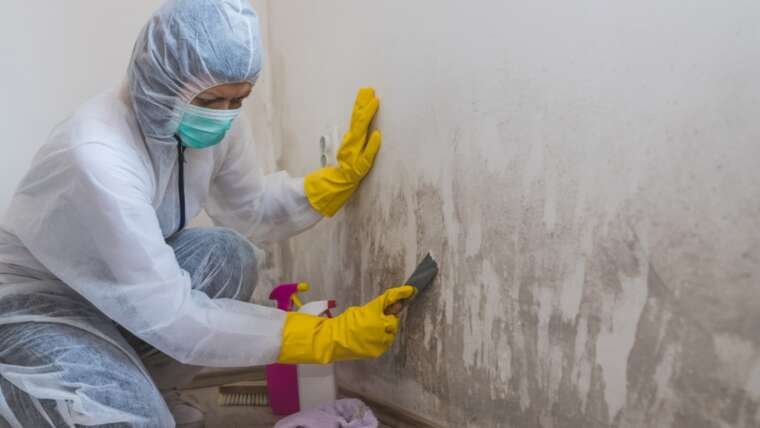
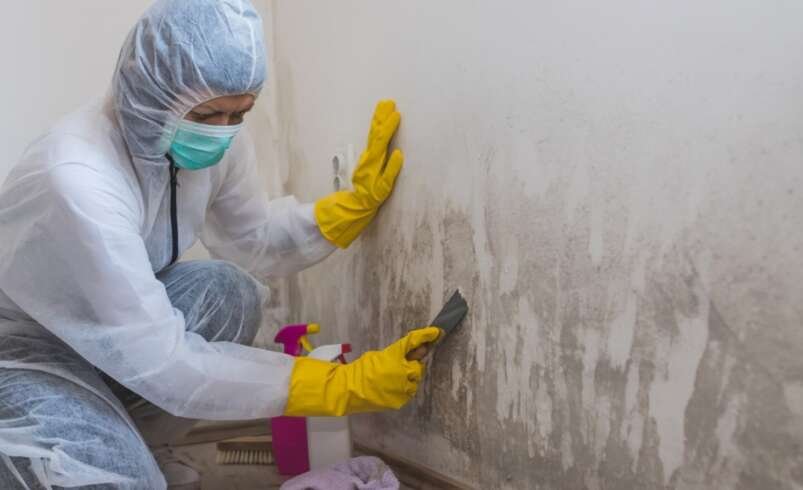
The remediation process may involve isolating the affected area, using suitable protective equipment, removing contaminated porous materials when required, and cleaning surfaces that can be safely restored. Air filtration may also be appropriate for certain projects. The exact method depends on the size and location of the affected area, the materials involved, and the circumstances that caused the growth.
Drying is another essential part of the process. Wet drywall, insulation, wood, and flooring should be evaluated to determine whether they can be dried and retained or need replacement. Simply painting over a stain or applying a household cleaner does not establish that the underlying moisture issue has been resolved.
The Real Mold Challenge in Evans, GA
Evans experiences hot, humid summers and periods of heavy rainfall. These conditions can increase indoor humidity, slow the drying of damp materials, and create opportunities for mold to develop when moisture remains trapped inside a building. Poorly ventilated bathrooms, damp crawl spaces, leaking roofs, and air-conditioning condensation problems can all contribute.
or families living in Evans, GA, Residential Mold Remediation in Evans, GA may involve more than treating a stained wall. The process can include identifying damp materials, containing the affected area, removing damaged components when necessary, and correcting moisture conditions. Each property requires an approach based on the source of the water and the extent of the contamination.
Consider a homeowner in Evans who notices a brown mark on the ceiling below an upstairs bathroom. The homeowner wipes the mark away and repaints, but the discoloration returns a few weeks later. A closer inspection reveals a slow plumbing leak that has kept part of the ceiling cavity damp. Repairing the leak, assessing the affected materials, and completing appropriate remediation can address the underlying issue rather than repeatedly covering the evidence.
One question homeowners often ask is whether every visible patch of mold requires removing an entire wall. The answer depends on the circumstances. Limited growth on a suitable, nonporous surface may be handled differently from extensive contamination in damp drywall or insulation. The extent of removal should be based on the inspection findings, not assumptions about the appearance alone.
Another concern is whether mold can return after professional treatment. It can, particularly if moisture remains or another leak develops. No responsible assessment should promise that mold will never return. The practical goal is to address the current contamination, correct the moisture source, and reduce the likelihood of another occurrence.
How Blount Desister Approaches Mold Problems Differently
An effective remediation plan starts with the condition of the property rather than a one-size-fits-all cleaning method. Blount Desister can be presented as the local service provider in this discussion, with the central focus on understanding the damage, identifying moisture concerns, and determining what work is appropriate for the affected home.
The initial assessment should establish where mold is visible, whether building materials show signs of water damage, and what may be keeping the area damp. The inspection may also identify related concerns, such as damaged caulking, poor bathroom exhaust ventilation, plumbing problems, or water entering from outside. Not every suspected mold issue has the same cause, so the investigation needs to follow the evidence.
A useful distinction is the difference between cleaning a surface and correcting the conditions that allowed mold to grow. Surface cleaning alone may be insufficient if moisture has penetrated porous materials. Conversely, removing materials that are still sound and can be safely restored may create unnecessary expense. A property-specific plan helps establish what should be cleaned, dried, removed, or repaired.
Containment and work-area protection also matter. Depending on the project, suitable barriers and air filtration may help limit the spread of dust and mold-containing particles during removal. Workers should use protective equipment appropriate to the conditions. After contaminated materials have been addressed, the area should be cleaned and dried, with repairs completed only when the moisture problem has been corrected.
A gap in many basic mold guides is the lack of attention given to the repair stage. Removing damaged drywall does not finish the job if the plumbing leak, roof defect, or ventilation problem remains unresolved. A sound plan considers the sequence of work, including moisture correction, removal or cleaning, drying, and rebuilding.
Homeowners should also ask what the proposed service includes. An inspection, laboratory testing, remediation, moisture correction, and reconstruction are different tasks, and not every project needs all of them. Clear explanations of the scope, expected work, and any exclusions make it easier to compare estimates and avoid misunderstandings.
Practical Tips Before Choosing a Mold Service
Before arranging remediation, homeowners can take several sensible steps to understand the problem and prepare for an inspection.
- Look for the source of moisture. Check for leaking pipes, roof stains, overflowing appliances, damp cabinets, and water collecting near the foundation. Do not open walls or disturb suspected mold growth unnecessarily, especially when the affected area is extensive.
- Record visible changes. Take photographs of stains, peeling paint, damaged flooring, or areas where mold appears to return. Note when the problem first appeared and whether it followed a storm, plumbing leak, or air-conditioning issue. These details can help explain the property’s history.
- Avoid covering the evidence. Painting over stains or applying a fragrance to mask a musty smell will not correct the source of the problem. Avoid dry brushing or aggressive scrubbing of extensive mold growth, which can spread contaminated particles.
- Ask for a clear written scope. A useful estimate should describe the affected areas, the planned cleaning or removal work, moisture-related repairs, and any additional costs that may arise if concealed damage is discovered. Ask how the work area will be protected and how completion will be assessed.
- Check the contractor’s qualifications. Ask about relevant training, insurance, experience with similar properties, and the procedures used for containment and removal. Be cautious of guarantees that promise permanent results without addressing moisture conditions.
Working with homeowners in Evans, our team found that recurring moisture problems can be overlooked when attention stays on visible stains alone. A practical local tip is to check bathroom exhaust fans, air-conditioning drain lines, and accessible crawl-space areas after prolonged wet weather. These checks cannot replace a professional assessment, but they may help reveal problems earlier.
Homeowners should also understand when outside expertise may be needed. Large affected areas, recurring growth, contamination involving sewage, or mold associated with major water damage can require specialized handling. If occupants experience health symptoms they believe may be related to indoor mold, they should consult a qualified healthcare professional rather than relying on a mold inspection to diagnose the cause.
Protecting Your Evans Home Starts With Moisture Control
Mold problems are easier to manage when the moisture source is identified early and affected materials are handled correctly. Homeowners in Evans, GA, should pay attention to persistent odors, recurring stains, and damp building materials rather than relying on surface cleaning alone. Blount Desister can be considered when exploring Mold Remediation and Mitigation options for a local property. The next step is to arrange an assessment, understand the proposed scope of work, and confirm that the plan addresses both the mold and the conditions that allowed it to grow.
FAQs
1. What are the common signs of mold in a home?
Common signs include visible spots on walls or ceilings, a persistent musty odor, peeling paint, and discoloration near windows or plumbing fixtures. Mold may also grow behind drywall or beneath flooring where it cannot be seen. Repeated moisture problems deserve investigation, even when the visible signs appear minor.
2. How much does mold remediation cost in Evans, GA?
The cost depends on the affected area, the type of materials involved, the moisture source, and whether damaged drywall, insulation, or flooring must be replaced. Small projects may cost considerably less than extensive contamination. Request a written estimate that separates remediation from plumbing, moisture correction, and reconstruction expenses.
3. Can I remove household mold myself?
Small areas of surface mold on suitable, nonporous materials may sometimes be cleaned safely, provided the moisture source is corrected. Larger areas, recurring growth, contaminated porous materials, or mold associated with sewage or extensive water damage may require professional help. Avoid disturbing extensive growth or mixing cleaning chemicals.
4. How can I tell if a mold remediation company is trustworthy?
Ask for proof of insurance, relevant training, references, and a written description of the work. A reliable provider should explain the suspected moisture source, the proposed removal or cleaning process, and any limitations. Be cautious of pressure tactics, unexplained charges, or promises that mold can never return.
5. How long does mold remediation take?
The timeline depends on the size of the affected area, the materials involved, and how quickly the moisture source can be corrected. A limited project may take a few days, while extensive damage can require longer for removal, drying, and repairs. Reconstruction may extend the schedule beyond the remediation work itself.