

Introduction
Mold can develop in residential and commercial properties when moisture remains trapped in walls, ceilings, floors, or other building materials. Leaking pipes, roof damage, poor ventilation, and basement humidity are common conditions that contribute to mold growth. In Lewistown, PA, seasonal weather changes and moisture-related problems can make indoor mold a concern for property owners. Professional Mold Inspection Services in Lewistown, PA help identify visible and hidden mold issues, determine possible moisture sources, and provide useful information about the condition of indoor spaces.
Why Mold Inspections Are Important for Property Owners
Mold growth is not always easy to recognize. While some affected areas develop visible spots or discoloration, mold can also grow behind drywall, beneath flooring, inside cabinets, and around plumbing fixtures. A musty odor may indicate a moisture problem even when no visible growth is present.
Ignoring these warning signs can allow moisture-related damage to continue. Professional inspections help property owners understand where mold may be developing and what conditions are contributing to the problem. Early identification can also help prevent unnecessary repairs and protect building materials from further deterioration.
Common Signs That Your Property May Have Mold
Recognizing potential mold problems early can make it easier to arrange an inspection. Property owners should pay attention to several warning signs.
Musty Indoor Odors
A persistent earthy or musty smell in basements, bathrooms, closets, or other enclosed spaces may indicate excess moisture or possible mold growth. The odor can remain even when the affected area is not visible.
Water Stains and Discoloration
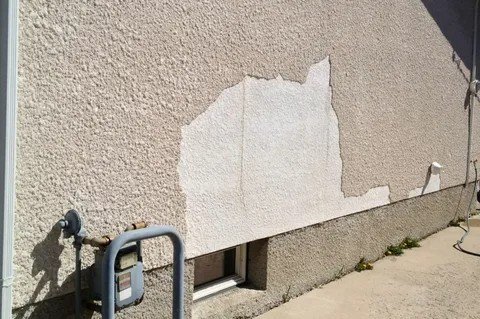
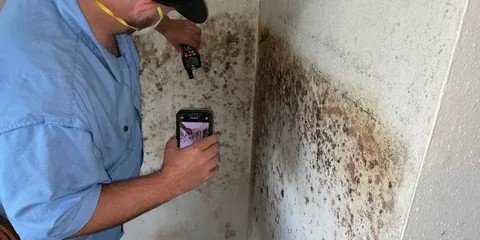
Dark spots, unusual staining, peeling paint, and bubbling wallpaper may indicate previous or ongoing moisture exposure. These conditions deserve attention, especially around windows, ceilings, plumbing fixtures, and exterior walls.
Previous Water Damage
Properties that have experienced flooding, roof leaks, plumbing failures, or basement seepage may have an increased risk of mold development. Materials that remain damp for extended periods can provide suitable conditions for mold growth.
What Happens During Professional Mold Inspection Services in Lewistown, PA?
A professional mold inspection generally involves examining areas where moisture problems or visible mold may be present. The inspection process may include checking ceilings, walls, basements, bathrooms, crawl spaces, and other areas that are vulnerable to moisture.
Inspectors may use moisture meters, visual assessment techniques, and other suitable equipment to investigate potential problem areas. They also consider ventilation, plumbing conditions, previous water damage, and signs of condensation.
The findings help property owners understand the location of suspected mold, possible contributing conditions, and whether additional investigation or testing is appropriate. Inspection recommendations can also help determine the next steps for addressing the problem.
Understanding Mold Testing Services in Lewistown, PA
While an inspection focuses on identifying visible mold and moisture-related concerns, Mold Testing Services in Lewistown, PA may provide additional information when sampling is considered necessary.
Mold testing can involve collecting air samples or surface samples for laboratory analysis. Air sampling may help evaluate airborne mold spores in selected indoor locations, while surface sampling can help identify mold present on particular materials.
Testing is not required in every situation. Visible mold growth and an identifiable moisture source may provide enough information to recommend corrective action. A qualified professional can explain whether sampling would provide useful additional details based on the property’s conditions.
Common Areas Where Mold Can Develop
Mold can grow in different parts of a building when moisture and suitable materials are present.
- Basements: Water seepage, foundation leaks, and high humidity can create conditions that support mold growth.
- Bathrooms: Poor ventilation, plumbing leaks, and persistent condensation can contribute to moisture buildup.
- Kitchens: Leaking sinks, appliances, and hidden plumbing connections can affect cabinets and nearby walls.
- Attics: Roof leaks and inadequate ventilation may allow moisture to accumulate around insulation and wooden structures.
- Crawl Spaces: Ground moisture, drainage problems, and limited airflow can increase the likelihood of mold development.
Checking these areas regularly can help property owners identify moisture problems before they become more extensive.
How to Reduce the Risk of Mold Growth
Preventive maintenance plays an important role in keeping indoor environments dry. Repair leaking pipes and roof damage as soon as possible, maintain proper bathroom and kitchen ventilation, and use suitable dehumidification when indoor humidity remains high.
Property owners should also make sure gutters and downspouts direct rainwater away from the foundation. After flooding or water leaks, affected materials should be dried promptly and professionally assessed when necessary.
Routine checks around windows, plumbing fixtures, basements, and attics can also help identify developing moisture concerns.
Choosing a Mold Inspection Company in Lewistown, PA
Selecting an experienced inspection provider is important when dealing with suspected mold growth. Before scheduling an appointment, ask about inspection procedures, professional experience, reporting practices, and whether laboratory testing is available when appropriate.
A reliable provider should explain the findings clearly, identify possible moisture sources, and avoid making unsupported claims about mold conditions. Property owners should also understand that inspection, testing, and mold remediation are separate services that may require different professionals.
Conclusion
Mold problems can affect building materials and indoor conditions when moisture issues remain unresolved. Identifying warning signs, investigating damp areas, and maintaining proper ventilation can help property owners manage these concerns. Professional Mold Inspection Services in Lewistown, PA, provide valuable information about suspected mold growth, while Mold Testing Services in Lewistown, PA can offer additional laboratory-based findings when needed. Taking timely action helps homeowners and commercial property managers make informed decisions about maintaining cleaner, drier, and better-protected buildings.