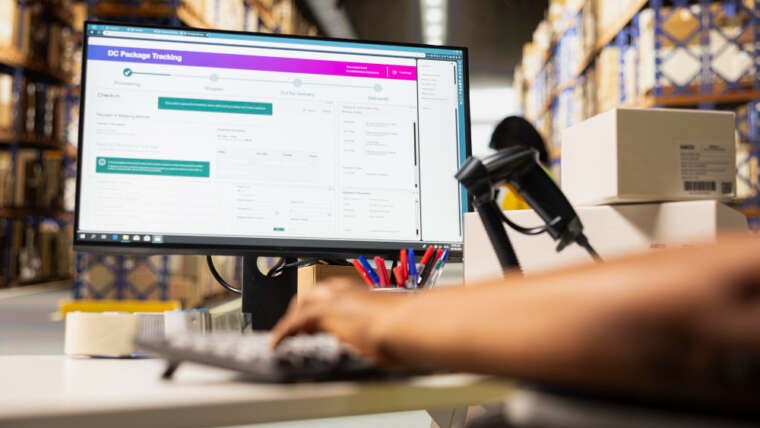


Warehouses and distribution businesses must keep inventory records accurate while handling frequent receipts, transfers, stock counts, and customer orders. As operations expand, manual tracking can make it harder to locate products, verify quantities, and coordinate daily tasks. Choosing appropriate Inventory Management Software can help businesses organize stock data, improve inventory visibility, and establish more consistent warehouse workflows.
Manage Inventory Across Storage Locations
Businesses operating across several warehouses need more than a single total stock figure. Teams often need to know which products are available at each location and whether inventory can be allocated to a particular order.
Multi-location inventory tracking can provide a clearer view of stock distribution and support decisions about transfers, replenishment, and fulfillment. During software evaluation, confirm how the system handles location records, inventory adjustments, and stock movement history.
Streamline Receiving and Stock Counts
Receiving errors can affect inventory accuracy throughout the business. Employees should be able to verify incoming products, record quantities, and update inventory information through a consistent process.
Barcode and QR code scanning can help streamline product identification and reduce manual entry during supported workflows. Cycle counting can also help businesses check selected inventory regularly instead of relying exclusively on infrequent full stocktakes.
Establishing standard procedures for receiving, labeling, counting, and adjusting stock helps ensure that software records remain aligned with physical inventory.
Improve Order Processing and Replenishment
Accurate inventory records help warehouse and purchasing teams make better decisions. When available quantities and product locations are easier to review, employees can coordinate order preparation and identify replenishment requirements more effectively.
Inventory reports can also help managers identify frequently requested products, slow-moving stock, and recurring discrepancies. Businesses can use these findings to refine purchasing practices and improve warehouse planning.
Compare Solutions Against Operational Needs
Before selecting inventory software, assess the following requirements:
- Number of warehouses and storage locations.
- Product volume and stock movement frequency.
- Barcode, serial number, and batch tracking needs.
- Purchasing and order processing workflows.
- Reporting and integration requirements.
- Implementation costs, employee training, and ongoing support.
GOIS offers inventory management capabilities that include barcode and QR code scanning, multi-location tracking, serial and batch tracking, and inventory reporting. Businesses can compare these capabilities with their operational requirements to determine whether the platform is suitable.
Build a Scalable Warehouse Operation
Reliable inventory management supports accurate stock records, more organized warehouse activities, and informed purchasing decisions. By choosing software that fits current workflows and can accommodate future growth, warehouses and distributors can establish a stronger foundation for operational efficiency.
Explore GOIS Inventory Management Software to learn more about its inventory tracking capabilities and assess their suitability for your business.