

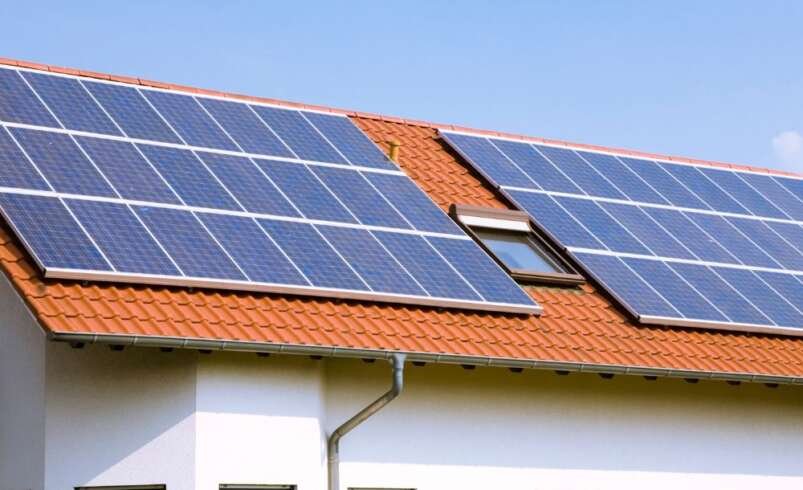

As electricity costs continue to influence household budgets and more Australians look for practical renewable energy options, solar power has become an increasingly popular choice for Brisbane homeowners. Brisbane receives abundant sunshine throughout much of the year, making solar energy a practical option for many properties. However, making the switch to solar involves more than simply purchasing panels and placing them on a roof. Homeowners need to consider system size, roof orientation, energy consumption, equipment quality, installation requirements, battery storage and ongoing system performance.
This is where Solar Energy Providers Brisbane can play an important role. Experienced providers can help homeowners understand their energy requirements, select suitable equipment and organise a professional installation. They can also explain how solar hot water, battery storage and energy management technologies can work alongside a solar power system.
For Brisbane households considering renewable energy, working with an experienced local provider can make the transition more organised and straightforward.
Understanding the Move to Solar Energy
Switching to solar means using sunlight to generate electricity for a home rather than relying entirely on electricity supplied through the conventional power grid. Solar panels installed on a suitable roof capture sunlight and convert it into electrical energy through photovoltaic technology.
The electricity generated can be used to operate everyday household appliances such as refrigerators, washing machines, lighting, air conditioning systems and other electrical equipment. Depending on the system configuration and household consumption patterns, excess electricity may also be sent to the electricity grid or stored in a compatible battery.
For homeowners, the first step is understanding how much electricity the property uses and when that electricity is consumed. A household that uses significant energy during daylight hours may have different solar requirements from a home where most electricity consumption occurs in the evening.
A professional solar provider can assess these factors before recommending a system.
Why Brisbane Is Well Suited to Solar
Brisbane’s climate provides favourable conditions for solar power generation. The city receives substantial sunlight across the year, giving residential solar systems regular opportunities to generate electricity.
However, sunlight availability alone does not determine how well a solar system will perform. Roof design, shading, panel orientation, roof pitch, local weather conditions and the efficiency of the equipment can all influence energy production.
This makes professional assessment valuable. Solar Energy Providers Brisbane can examine the property’s available roof space and identify potential issues such as nearby trees, neighbouring buildings or roof sections that receive limited sunlight.
Rather than selecting a system based only on panel capacity, homeowners can consider how the system is likely to perform in the context of their particular property.
Assessing Household Energy Requirements
One of the most important parts of moving to solar is determining the appropriate system size.
A larger system is not automatically the best option for every home. The right capacity depends on factors such as:
- Average household electricity consumption
- Number of people living in the property
- Major electrical appliances
- Air conditioning usage
- Daytime versus evening energy consumption
- Available roof space
- Roof orientation and shading
- Future changes in household electricity use
Electricity bills can provide useful information about historical consumption. A solar professional can use this information, together with an assessment of the property, to help determine a suitable system configuration.
This approach can prevent homeowners from choosing equipment based solely on advertised system sizes without considering their actual energy requirements.
Choosing Suitable Solar Panels
Solar panels are one of the most visible components of a residential solar system, but homeowners have many products and specifications to consider.
Panel efficiency, physical dimensions, warranty conditions, durability and expected performance can all influence the selection process. The available roof space can also affect which panels are practical for a particular property.
Experienced Solar Energy Providers Brisbane can explain the differences between available technologies and help homeowners understand which features are relevant to their circumstances.
The goal is not simply to install the maximum number of panels possible. Instead, the system should be designed to make effective use of the available roof area while matching the household’s electricity requirements.
Understanding the Role of the Inverter
The inverter is another essential part of a solar power system. Solar panels generate direct current electricity, while most household appliances use alternating current. The inverter converts the electricity into a form that can be used within the home.
The inverter can also provide important information about system operation, depending on the model and monitoring features available.
When selecting a solar system, homeowners should consider the inverter as carefully as the panels. Compatibility, capacity, monitoring functionality, warranty coverage and installation requirements are all relevant considerations.
A qualified installer can help ensure that the inverter is appropriately matched to the solar array and household energy requirements.
Professional Solar Installation Matters
Solar panels and electrical equipment need to be installed correctly for a system to operate safely and effectively. Installation involves more than attaching panels to a roof.
Professionals need to consider mounting arrangements, electrical connections, roof characteristics, equipment placement, cable management and applicable Australian requirements.
An experienced installation team can assess the property before work begins and identify potential installation challenges. Proper installation can also help reduce avoidable issues associated with unsuitable mounting or poorly planned system layouts.
For homeowners, choosing an established solar provider with qualified installation professionals can provide greater confidence throughout the process.
Solar Batteries for Evening Energy Use
One challenge for many solar households is that solar panels generate electricity primarily during daylight hours, while household energy consumption can continue well into the evening.
Battery storage provides one way to address this difference.
A solar battery can store some of the electricity generated during the day and make it available later, depending on the system configuration and household energy requirements. This can be particularly useful for homes that have substantial evening electricity consumption.
Battery systems also provide homeowners with greater flexibility in how they use the electricity generated by their solar panels.
However, batteries are not necessarily required for every household. Their suitability depends on electricity usage patterns, available solar generation, installation requirements and the homeowner’s objectives.
Solar Energy Providers Brisbane can explain how battery storage could fit into an existing or new solar system and help homeowners understand the factors that should be considered before making a decision.
Solar Hot Water as Part of a Broader Energy Strategy
Solar energy does not have to be limited to electricity generation. Solar hot water systems can also help households use renewable energy for an important everyday requirement.
Hot water can represent a significant portion of household energy use. Solar hot water technology uses solar energy to heat water, reducing reliance on conventional energy sources for this purpose.
Some households may benefit from considering solar electricity and solar hot water together when planning broader energy improvements. The best approach depends on the property’s existing hot water system, household requirements, roof conditions and available installation space.
A provider offering multiple renewable energy technologies can help homeowners compare these options within the context of their overall energy needs.
Energy Management and Smarter Solar Use
Modern solar systems can offer more than basic electricity generation. Energy monitoring and management technologies can help homeowners understand how much electricity their property is producing and consuming.
Monitoring systems may provide information through digital displays or mobile applications, depending on the equipment installed. This information can help households identify patterns in energy consumption and make more informed decisions about when to use certain appliances.
For example, households may choose to operate energy-intensive appliances during periods when their solar system is producing electricity. Over time, understanding these patterns can help homeowners make better use of the energy their system generates.
Energy management can therefore complement the physical solar installation and encourage more efficient household energy habits.
Helping Homeowners Understand Solar Technology
Solar technology can seem complicated to someone purchasing a system for the first time. There are panels, inverters, batteries, monitoring systems, mounting equipment and different system capacities to consider.
A knowledgeable provider can simplify the process by explaining how each component works and how the components interact.
This guidance is particularly useful when homeowners are comparing different solar system configurations. Rather than focusing on a single specification, homeowners can look at the complete system and consider its expected suitability for the property.
Good communication before installation can also help homeowners understand what to expect from the system once it is operational.
The Importance of Local Experience
Local experience can be useful when selecting a solar provider. Brisbane properties can have different roof designs, construction characteristics and shading conditions, so understanding local residential properties can help during assessment and installation.
A local team can also provide guidance that takes Brisbane’s climate and common property conditions into account.
Solahart Strathpine & Redcliffe is a local dealership providing solar power systems, solar hot water, battery storage and energy management solutions. The business combines local service with the broader Solahart network and experience in renewable energy technologies.
For homeowners, access to a provider that can discuss multiple energy solutions can make it easier to consider solar as part of a broader household energy strategy.
Maintenance and Monitoring After Installation
Installing solar panels is not necessarily the end of the process. Homeowners should continue to monitor system performance and remain aware of any changes in electricity generation.
Modern monitoring systems can make this easier by providing information about system operation. If electricity production appears to decrease unexpectedly, the information can help identify whether further investigation is needed.
Solar panels generally require limited routine maintenance, but keeping panels reasonably clean and ensuring that surrounding trees or structures do not create new shading can support continued performance.
Professional servicing may also be appropriate if the system develops an operational problem or if equipment requires inspection.
Making the Switch Step by Step
For homeowners who are considering solar, the transition can be approached through a series of practical steps.
First, review recent electricity bills to understand household consumption. Next, arrange a property assessment to evaluate roof space, orientation, shading and installation conditions.
The next stage is comparing suitable system options, including solar panels, inverter capacity and potential battery storage. Homeowners should also review warranties, installation details, monitoring options and ongoing support.
Once a suitable system has been selected, professional installation can be arranged. After commissioning, homeowners can begin monitoring their solar generation and adjusting household energy habits where appropriate.
This structured approach helps turn a broad interest in renewable energy into a practical household energy plan.
Choosing the Right Solar Energy Provider
The provider a homeowner chooses can influence the overall solar experience. Important considerations can include industry experience, qualified installers, equipment quality, available services, warranty information, system design and after-installation support.
Homeowners should also look for clear explanations rather than relying only on technical specifications or system size.
A reliable provider should be able to discuss the property’s individual requirements and explain why a particular system configuration is suitable.
This is one of the main reasons experienced Solar Energy Providers Brisbane are valuable to homeowners who are unfamiliar with solar technology.
Conclusion
Switching a Brisbane home to solar can involve several decisions, from selecting the right panel capacity to considering batteries, solar hot water and energy management. With Brisbane’s strong solar resource, many households have an opportunity to generate renewable electricity and change how they manage their energy consumption.
The process becomes easier when homeowners have access to experienced professionals who can assess the property, explain available technologies and coordinate a suitable installation.
Solahart Strathpine & Redcliffe provides solar power systems, solar hot water, battery storage and energy management solutions for local customers. With industry experience and access to established solar technology, the team helps Brisbane-area homeowners understand their options when considering the transition to renewable energy.
Ultimately, choosing the right system is about more than installing panels. It is about creating an energy solution that fits the property’s characteristics, household consumption and long-term requirements.