
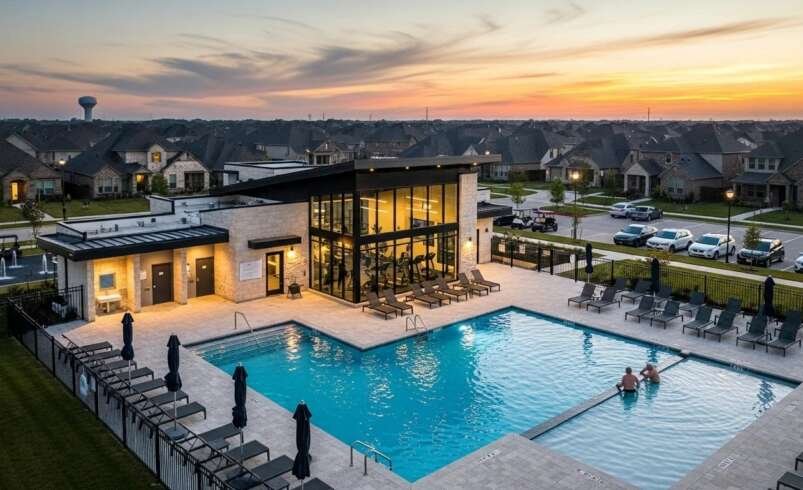

Swimming pools are a great amenity in a community, and first impressions matter. A gate attendant who greets people by name, checks passes without friction, and answers questions about hours sets a very different tone than a locked box and a laminated sign. Pool attendants shape that impression every day at apartment communities, HOA facilities, country clubs, and resort properties across Georgia.
The First Ninety Seconds At Your Front Gate
Check-in handles access control, guest passes, waiver collection, and rule communication inside one short interaction. Attendants who explain policies warmly at your entrance prevent the confrontations that otherwise happen later on the deck. They also keep unauthorized visitors out, which protects capacity limits and reduces liability exposure for your association.
Boards that track resident complaints may find most of them trace back to inconsistent enforcement at the gate. A staffed entrance also records who used your facility on any given afternoon, which matters when an incident report requires context.
Deck Order Prevents Most Incidents
Most incidents trace back to a short list of preventable conditions:
- Running on wet concrete near the shallow end
- Glass containers carried onto the deck
- Walkways blocked by chairs, bags, and coolers
- Overcrowding that hides swimmers from the guard stand
Attendants circulate through your deck, reset furniture, clear hazards, and correct behavior before a lifeguard leaves a scanning position. Quiet intervention keeps the environment calm without anyone raising a voice. A deck that stays orderly through a crowded Saturday reflects planning rather than luck, and your residents feel that difference even when they cannot name it. Attendants who reset chairs between rushes keep sightlines open for guards on stand.
Cleanliness Your Guests Notice Immediately
Restrooms, trash containers, lounge chairs, and shower areas get judged constantly by everyone who walks through your gate. Attendants handle turnover between sessions, restock supplies, and report maintenance items while a problem remains small and inexpensive. At resort properties, towel service and lounge staging fall into the same category, where presentation carries nearly the same weight with guests as water clarity does. A folded towel stack and a swept deck signal that someone owns the space, and hospitality reviews reflect it quickly.
Managing Capacity, Rentals, And Private Events
Private parties, swim meets, and rental blocks require someone tracking headcount and enforcing reserved hours. Attendants log occupancy, coordinate setup and breakdown, and communicate schedule changes to residents who arrive expecting open swim. Facilities without this coverage generate the weekend complaint calls that land directly on your phone. Georgia communities with heavy rental calendars gain most from staffing the gate through every booked hour, since one unmanaged party undoes a season of goodwill.
A written rental policy covering deposits, guest limits, and cleanup expectations gives your attendants something to point to when a host pushes back at the gate on a busy Saturday.
Coordination With Certified Operators Behind The Scenes
Your deck staff typically see changing conditions first, often hours ahead of anyone else. A cloudy section, a skimmer basket filling faster than usual, or a reported warm patch near a return line. Certified pool operators act on those observations during daily checks, adjusting chemistry, backwashing filters, and inspecting equipment. That communication loop catches small failures before they close your facility during a hot July weekend in metro Atlanta. Attendants trained to report what they see extend the reach of every operator.
Training And Retention Across A Georgia Season
Seasonal staffing collapses in late July at the facilities that recruit late and train only once. Structured onboarding, written post orders, in-service sessions, and unannounced supervisor visits keep standards steady through Labor Day. Experienced pool operators and well-prepared pool attendants stay through the season when they understand expectations clearly and receive real support on deck. Returning staff also shorten training time the following spring, which protects quality during opening weeks.
In conclusion, guest experience at an aquatic facility comes from people rather than from equipment. By staffing your gate and deck properly, your Georgia community can log fewer complaints, fewer incidents, and stronger renewal numbers at the end of each operating year.