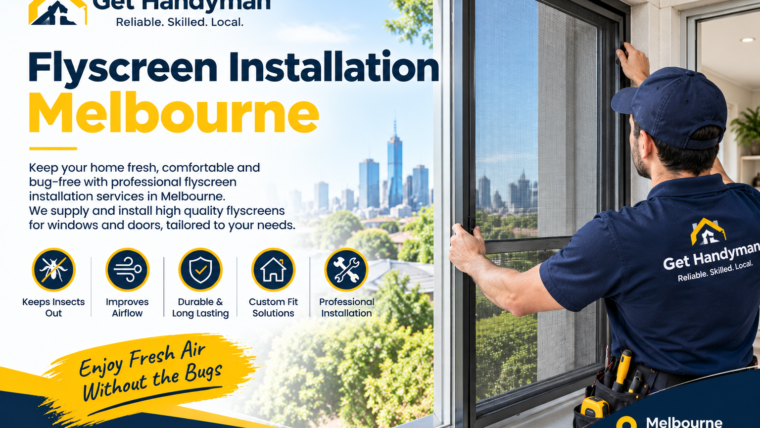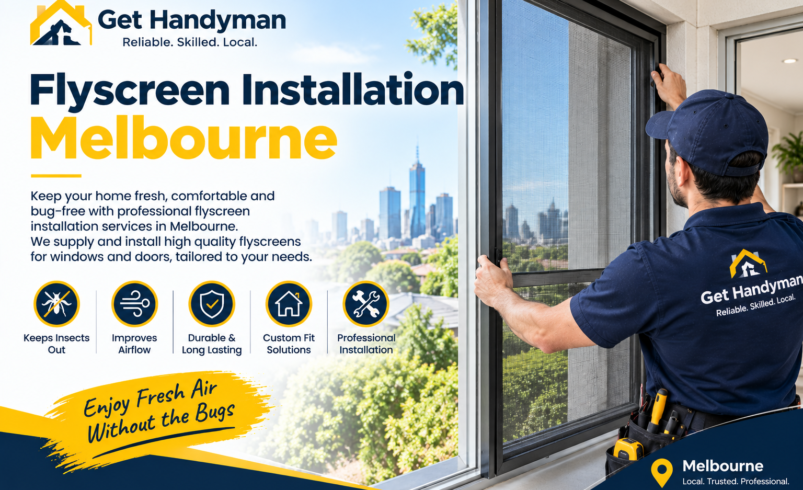

Melbourne homeowners often want to keep windows and doors open for fresh air without allowing insects to enter their living spaces. Flyscreen Installation Melbourne offers a practical way to improve ventilation while helping block mosquitoes, flies, and other unwanted pests. A suitable screen can make bedrooms, kitchens, living rooms, and outdoor entrances more comfortable without requiring major changes to the property.
Choosing the right flyscreen requires attention to the opening’s size, frame condition, mesh type, and everyday use. A screen fitted to a small bathroom window has different requirements from one installed on a busy patio door. Understanding these differences helps homeowners select a solution that fits properly, operates smoothly, and remains easy to maintain.
Why Flyscreens Are a Useful Home Improvement
Flyscreens provide a physical barrier that allows air to pass through while restricting the entry of many flying insects. Their usefulness depends on the quality of the mesh, the condition of the frame, and how securely the screen fits.
Supporting Natural Ventilation
Opening windows can help move fresh air through a home when outdoor conditions are suitable. Flyscreens allow residents to ventilate rooms without leaving openings completely exposed to insects.
This can be particularly useful during mild weather, when natural airflow may reduce the need for mechanical cooling. The actual benefit depends on wind conditions, window placement, mesh density, and the layout of the property.
Making Outdoor Access More Convenient
Homes with gardens, balconies, and patios often have doors that are opened regularly. A properly fitted door screen helps residents move between indoor and outdoor spaces while reducing insect entry.
Sliding and hinged designs can make these areas easier to use. Selecting a system that suits the doorway is important because a screen that sticks or fails to close properly can become frustrating during everyday use.
Improving Comfort in Different Rooms
Flyscreens can be installed in bedrooms, kitchens, studies, laundry rooms, and living areas. Kitchen screens may help limit fly entry around food preparation areas, while bedroom screens can make it more comfortable to open windows in the evening.
Screens do not remove all insects from a property, but they can reduce entry through protected openings when maintained correctly.
Types of Flyscreens to Consider
Different screen designs serve different purposes. The most suitable option depends on the type of window or door and how often it is used.
Fixed Flyscreens
Fixed screens remain attached to the window frame during normal use. They are suitable for many standard windows that do not require regular access through the opening.
Their simple design can make them a practical choice for bedrooms and other rooms where a screen does not need to move. Homeowners should check how the screen can be removed for cleaning or maintenance, particularly when exterior glass access is limited.
Sliding Flyscreens
Sliding screens move along a track and are commonly used with compatible sliding windows and doors. They allow people to open an entrance without removing the screen from the frame.
The track and rollers must be aligned correctly for smooth movement. Dirt, worn rollers, or a bent track can cause sticking and may prevent the screen from closing completely.
Hinged Flyscreen Doors
Hinged screens swing open like conventional doors. They can suit rear entrances, side doors, and other openings with sufficient clearance.
Hinges, handles, and latches should be chosen according to how frequently the door will be used. The finished screen should open freely, close securely, and avoid contact with nearby furniture or walls.
Retractable Flyscreens
Retractable systems can be moved across an opening when required and stored away when not in use. They may be suitable for selected patio doors and wider openings where homeowners prefer an unobstructed view at other times.
These systems contain moving parts that require accurate alignment. Before selecting one, consider the opening dimensions, available mounting space, cleaning requirements, and the expected frequency of use.
Choosing the Right Mesh Material
Mesh selection affects insect protection, airflow, visibility, and resistance to everyday wear.
Fibreglass Mesh
Fibreglass mesh is widely used for standard residential screens. It is flexible, does not rust, and offers a useful balance between visibility and ventilation.
However, it can tear when exposed to sharp objects or repeated scratching. For ordinary windows with limited physical contact, it can be a suitable choice.
Aluminium Mesh
Aluminium mesh provides a firmer structure than many flexible mesh materials. It may be appropriate when homeowners prefer a more rigid screen.
The material can dent or crease if handled roughly, and its finish should suit the surrounding environment. Properties exposed to moisture or coastal air may need additional consideration when selecting screen materials and finishes.
Pet-Resistant Mesh
Pet-resistant mesh is designed to withstand more contact than standard insect mesh. It can be useful where cats or dogs regularly approach a screen door.
The strength of the frame and attachment points also matters. More durable mesh will not solve problems caused by a weak frame or loose fittings. Pet-resistant mesh should not be treated as a replacement for a security screen or a fall-prevention device.
Fine Insect Mesh
Fine mesh can help restrict smaller insects, depending on its specifications. However, a tighter weave may reduce airflow compared with a standard mesh.
Homeowners should consider the insects they want to keep out and balance that need against ventilation and visibility. An installer can explain the differences between available products.
What Happens During Flyscreen Installation Melbourne?
Professional Flyscreen Installation Melbourne generally involves an assessment, product selection, fitting, and final inspection. Each stage helps ensure the finished screen is suitable for the opening.
Step 1: Measuring the Opening
The installer measures the width and height and checks the surrounding frame. Multiple measurements may be necessary because older windows and doors are not always perfectly square.
For sliding screens, the track, rollers, and available clearance should also be assessed. Accurate measurements help prevent gaps and fitting difficulties.
Step 2: Selecting Materials and Hardware
The screen design, mesh, frame finish, and fittings are selected according to the opening and household requirements. A frequently used patio entrance may need a different system from a rarely opened window.
If the existing frame is damaged or uneven, the installer should explain whether repairs or adjustments are required before fitting the screen.
Step 3: Fitting the Screen
The screen is positioned and secured using appropriate clips, brackets, tracks, hinges, or other system-specific hardware. Correct alignment helps prevent movement and reduces strain on the frame.
A screen should fit securely without excessive force. Poor fitting can damage components and leave gaps that allow insects to enter.
Step 4: Inspecting the Finished Work
After installation, the screen should be checked for secure attachment, even mesh, and correct operation. Sliding screens should move freely, and hinged doors should close properly.
Homeowners should inspect the edges for gaps and test the screen before the job is completed. Asking about cleaning and maintenance can also help protect the installation over time.
Practical Benefits and Key Insights
A well-selected flyscreen can provide several advantages for everyday living.
- Reduced insect entry: Intact mesh and close-fitting frames help restrict flying pests from entering through protected openings.
- Improved ventilation: Screens allow air to circulate while maintaining a physical barrier against many insects.
- Convenient access: Sliding and hinged systems make it easier to use suitable outdoor entrances.
- Options for different households: Mesh and frame choices can accommodate standard windows, frequent use, and some pet-related needs.
- A consistent appearance: Coordinated frame finishes can complement existing windows and doors.
The value of a flyscreen depends on correct selection and maintenance. Even a high-quality mesh may provide limited protection if the screen has gaps, damaged corners, or loose fittings.
Common Challenges to Consider
Incorrect Measurements
A screen that is too small may leave gaps, while an oversized frame may not fit securely. Careful measurement before fabrication reduces the likelihood of these problems.
Worn Frames and Tracks
Installing a new screen on a damaged frame or worn track can lead to poor operation. Existing components should be inspected before work begins so necessary repairs can be planned.
Choosing the Wrong Mesh
Standard mesh may not be suitable for frequent scratching by pets, while fine mesh may reduce airflow. Consider the opening’s purpose, expected wear, and ventilation needs before choosing a material.
Safety Limitations
Ordinary flyscreens are designed primarily for insect control. They should not be relied upon to prevent falls or provide the same protection as security screens. Where children or elevated windows are involved, separate safety measures may be required under applicable regulations.
How to Maintain Flyscreens
Regular maintenance helps keep flyscreens effective and in good condition.
Use a soft brush or gentle vacuum attachment to remove dust from the mesh. For more thorough cleaning, use mild soapy water and a soft cloth, then rinse carefully. Avoid harsh chemicals and abrasive tools that may damage the mesh or frame finish.
Keep sliding tracks clear of debris and inspect rollers, hinges, latches, and mounting points for wear. Check for holes, loose edges, and gaps around the frame. Small tears should be repaired promptly, while badly bent frames or repeatedly failing fittings may need professional attention.
Frequently Asked Questions
1. How much does flyscreen installation cost in Melbourne?
Costs depend on screen dimensions, mesh type, frame material, installation complexity, and the number of openings. Custom and retractable systems may cost more than standard fixed screens. A quote based on actual measurements provides a more reliable estimate.
2. Can flyscreens be fitted to existing windows?
Yes, many existing windows can accommodate flyscreens. The installer needs to check the frame condition, measurements, fixing points, and available space to identify a suitable design.
3. Which flyscreen is best for a home with pets?
Pet-resistant mesh is often worth considering for households with cats or dogs. The frame and fittings should also be suitable for frequent contact, and the screen should not be treated as a security or fall-prevention barrier.
4. Do flyscreens affect airflow?
All mesh creates some resistance to airflow. Standard mesh generally allows air to pass through readily, while finer mesh may restrict it more. The result also depends on the opening size and outdoor conditions.
5. When should flyscreens be replaced?
Replacement may be appropriate when mesh damage is extensive, frames are badly bent, gaps persist, or moving components repeatedly fail. Minor tears, dirty tracks, and some worn fittings may be repairable.
Conclusion
Flyscreens can help homeowners enjoy natural ventilation while reducing the entry of common insects. Choosing the right design requires attention to window and door types, mesh material, household routines, and the condition of existing frames.
With accurate measurements, suitable fittings, and careful installation, Flyscreen Installation Melbourne can provide a practical improvement for many residential properties. Regular cleaning and prompt repairs help maintain the screen’s performance and extend its useful life.