
A fire can leave more than burned materials behind. Smoke can spread through rooms, soot can stain walls and ceilings, and firefighting water can damage flooring, furniture, and electrical systems. Even a small fire may affect areas far beyond its original source. For property owners in Horizon, TX, taking the right steps after a fire helps protect the building and supports a safer recovery.
Professional restoration focuses on more than visible damage. It also addresses hidden moisture, lingering odors, contaminated surfaces, and materials that may need specialized cleaning or replacement. Therefore, a careful assessment should guide every stage of the recovery process.
Complete Fire & Water Restoration helps property owners understand the restoration process and the steps involved in recovering after a fire. Choosing reliable fire restoration support can help you organize cleanup, document damage, and determine which repairs require professional attention.
Although every fire creates different challenges, a structured plan makes the next steps easier to manage. Acting promptly, following safety guidance, and working with qualified professionals can help limit further damage and move your property toward safe, practical use again.
Understanding Fire Damage and the Restoration Process
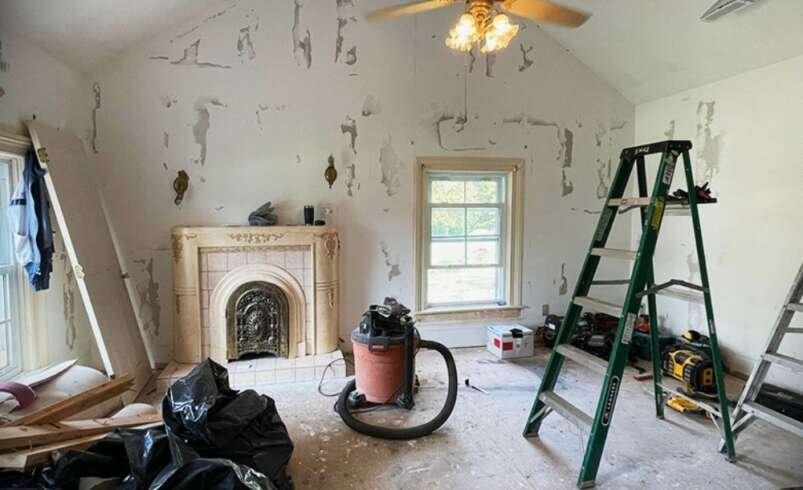
Fire damage often extends beyond the areas touched by flames. Heat can weaken building materials, while smoke particles can travel through hallways, ventilation systems, and wall openings. Additionally, soot may settle on surfaces far from the fire’s starting point.
A professional inspection helps identify visible and hidden problems before repairs begin. For effective emergency fire restoration, technicians typically assess structural conditions, smoke contamination, water damage, and potential safety hazards. They can then recommend a suitable recovery plan.
Property owners should take these five practical steps after a fire:
- Wait for clearance: Do not reenter until the fire department or relevant authorities confirm it is safe.
- Avoid contaminated areas: Soot and debris may contain harmful substances.
- Protect important records: Retrieve documents only when authorities permit safe access.
- Document visible damage: Take photographs from safe locations for insurance records.
- Contact your insurer: Report the incident and ask about documentation and approved next steps.
Furthermore, avoid switching on electrical equipment until a qualified professional checks affected systems. Fire and water can create hidden electrical hazards.
A detailed assessment also helps prioritize urgent stabilization, cleaning, and repairs. This process gives property owners a clearer understanding of the work ahead and helps prevent avoidable damage during recovery.
How Professional Fire Restoration Protects Your Property
Expert fire restoration involves several coordinated tasks, from securing damaged areas to preparing the property for repairs. The exact process depends on the fire’s severity, the materials involved, and the amount of smoke and water contamination.
First, restoration professionals assess the property and determine which areas need immediate attention. They may recommend board-up services, removal of unsalvageable materials, specialized cleaning, or moisture control. However, structural repairs should wait until the appropriate inspections confirm that the building can safely support the work.
A typical restoration plan may include these five stages:
- Emergency stabilization: Secure exposed openings and restrict access to unsafe areas.
- Damage assessment: Identify affected rooms, materials, and building systems.
- Debris removal: Remove damaged materials according to safety requirements.
- Smoke and soot cleaning: Use suitable methods for each surface and contamination level.
- Repair and rebuilding: Restore damaged finishes and components after cleanup.
Moreover, technicians may need different cleaning methods for drywall, wood, masonry, upholstery, and metal. Using the wrong products can spread soot or damage finishes.
For dependable results, ask the restoration provider to explain the proposed work, expected timeline, and limits of what cleaning can achieve. Some materials require replacement rather than restoration.
Clear communication throughout the process helps you understand decisions and plan the property’s return to use.
Smoke, Soot, and Odor Removal
Smoke leaves particles and chemical residues that can cling to walls, ceilings, fabrics, and personal belongings. Soot may also stain porous materials or corrode certain metals when it remains on surfaces. Consequently, ordinary household cleaning often cannot address every type of fire residue.
Professional fire and water cleanup services assess the residue before selecting cleaning products and equipment. Technicians may use specialized vacuums, appropriate cleaning agents, controlled deodorization, or material-specific methods. The right approach depends on the residue, surface, and extent of contamination.
Keep these five considerations in mind:
- Avoid dry wiping soot: Incorrect techniques can spread residue or push it deeper into surfaces.
- Protect soft furnishings: Some fabrics may need specialist cleaning, while heavily contaminated items may require disposal.
- Check ventilation systems: Smoke can enter ducts and circulate through the property.
- Address odor sources: Masking smells will not remove the residue causing them.
- Use suitable protective equipment: Cleanup may expose workers to irritating particles and contaminants.
Additionally, professional smoke damage restoration may involve treating hidden spaces where odors persist. However, no single deodorizing method works for every property.
The goal is to remove contamination where possible, treat remaining odor sources, and identify materials that cannot be safely restored. A final inspection helps confirm whether additional cleaning or repairs remain necessary.
Managing Water Damage After a Fire
Fire crews often use large amounts of water to extinguish flames. That water can soak insulation, flooring, cabinets, drywall, and other building materials. Meanwhile, moisture trapped inside walls or beneath floors can create further damage if it remains untreated.
Water and fire restoration addresses both types of damage within one coordinated recovery plan. Professionals assess moisture levels, identify affected materials, and determine where drying or removal is necessary. They may use air movers, dehumidifiers, and moisture-monitoring equipment to support controlled drying.
Consider these five priorities after firefighting water enters your property:
- Identify wet areas: Check visible surfaces and have concealed spaces assessed when needed.
- Remove standing water safely: Follow professional guidance, especially around electrical equipment.
- Begin appropriate drying: Use equipment suited to the affected materials and conditions.
- Monitor moisture: Confirm that materials have reached suitable dryness before rebuilding.
- Inspect for secondary damage: Watch for swelling, peeling finishes, and musty odors.
Furthermore, water and fire restoration may require coordination between mitigation technicians, electricians, plumbers, and building contractors. This helps ensure that repairs do not cover wet materials or unresolved hazards.
Drying requirements vary with construction, moisture levels, and the time water has remained in place. Therefore, professionals should base decisions on inspections and measurements rather than appearance alone.
Commercial Fire Restoration and Business Recovery
Plan Repairs Around Safety and Operations
A fire can interrupt business operations, damage inventory, and affect employees, customers, and important records. Offices, retail stores, warehouses, and other commercial properties may also contain specialized equipment that requires careful assessment.
Commercial fire restoration helps business owners organize cleanup and repair priorities. The process may include securing the building, assessing structural damage, removing contaminated materials, and coordinating repairs. However, owners should not reopen affected areas until qualified professionals and relevant authorities confirm they are safe.
Use these five steps to support an organized recovery:
- Protect people first: Restrict access to unsafe areas and follow official instructions.
- Document business losses: Record damaged equipment, inventory, furnishings, and building components.
- Contact insurers promptly: Ask about claim procedures, inspections, and required evidence.
- Prioritize critical operations: Discuss which areas need attention first and whether temporary arrangements are practical.
- Coordinate contractors: Establish responsibilities, schedules, and communication procedures.
For commercial properties, emergency fire restoration may also involve after-hours response or urgent building protection, depending on provider availability.
Complete Fire & Water Restoration can be considered when evaluating restoration providers for a damaged property. Ask about commercial project experience, safety procedures, insurance documentation, and the scope of services offered.
A written recovery plan helps business owners track progress, manage expectations, and make informed decisions about repairs and reopening.
Conclusion
Recovering from a fire requires careful attention to safety, smoke contamination, structural damage, and moisture left by firefighting efforts. Although the visible damage may seem straightforward, hidden problems can affect walls, flooring, electrical systems, and ventilation. Therefore, a thorough assessment should guide cleanup and repair decisions.
Property owners should follow official safety instructions, document damage, contact their insurer, and avoid disturbing contaminated areas before receiving professional guidance. Additionally, choosing a qualified restoration provider can help coordinate cleanup, drying, and rebuilding while keeping the process organized.
For homeowners and businesses seeking reliable fire restoration services in Horizon, TX, it helps to compare providers based on experience, clear estimates, safety practices, and communication. Ask what the proposed work includes, which materials may need replacement, and how the team will evaluate the results.
A careful recovery plan can reduce uncertainty and help you make practical decisions at each stage. With appropriate inspections, effective cleanup, and well-planned repairs, property owners can work toward restoring a safer, functional space. The priority should always remain safety first, followed by thorough remediation and repairs that address the actual damage.
FAQs
What should I do immediately after a fire?
Follow emergency personnel’s instructions, stay out until authorities approve reentry, document damage from a safe location, and contact your insurance company.
How long does fire restoration take?
The timeline depends on fire severity, smoke contamination, water damage, material availability, and repair requirements. A professional assessment can provide a more realistic estimate.
Can smoke odors be removed completely?
Often, professionals can reduce or eliminate odors by removing residue and treating affected materials. Results depend on contamination levels and whether damaged materials can be restored.
Does fire restoration include water damage cleanup?
Some providers offer both services. Confirm that your restoration plan includes water extraction, moisture assessment, drying, and any necessary repairs.
Can a business reopen before restoration is complete?
Only when the affected areas meet applicable safety requirements and authorities provide any required clearance. Temporary reopening may be possible in unaffected areas if professionals confirm they are safe.