

cutom lab grown diamond rings are changing the way couples approach one of life’s most personal purchases. Instead of selecting from a fixed range of ready-made styles, more buyers want control over the diamond shape, metal color, setting details, band width, and overall proportions. The goal is not simply to own something different. It is to create a ring that reflects personal taste, daily habits, shared memories, and a realistic budget.
This shift is also changing the role of the jeweler. Buyers may begin with an inspiration photo, combine elements from several rings, request a specific stone size, or ask for adjustments that make the finished piece easier to wear every day. Lab grown diamonds make this process more accessible by giving buyers greater room to invest in design without placing the entire budget on the center stone.
For couples ready to move beyond standard catalog designs, the next step is to Browse custom lab grown diamond rings and identify the shapes, settings, and details that match their vision. From there, a skilled jeweler can turn those ideas into a finished piece built for real life.
Why Ready-Made Designs Do Not Suit Every Buyer
Ready-made rings remain useful for buyers who want a quick decision or prefer a familiar setting. However, a standard catalog cannot account for every preference. One buyer may love an oval center stone but want a lower basket. Another may prefer a radiant diamond with a yellow gold band and white gold prongs. Someone else may want a hidden halo visible only from the side.
These requests show why custom lab grown diamond engagement rings are becoming more relevant. Personalization allows the buyer to keep the parts they like while removing details that do not suit their lifestyle.
Comfort is one of the strongest reasons to choose a custom design. A ring may look appealing in a product image but feel too high, too wide, or too delicate when worn. Buyers who use their hands frequently may prefer a lower profile and secure prongs. Those who plan to wear the ring beside a wedding band may need the setting raised slightly so both rings sit together with less space.
Proportion also matters. A narrow band can make a larger center stone appear more prominent, while a wider band may provide better balance. Finger size, diamond dimensions, setting height, and stone shape all influence the result. Custom work makes it possible to review these details before production begins.
Couples may also want the ring to carry a detail connected to their story. It could be a birthstone hidden beneath the center diamond, an engraved date, a band inspired by a family ring, or a stone shape linked to a meaningful memory. These choices make the design personal without needing to be obvious to everyone.
Technology Is Making Custom Design Easier
Custom jewelry once required several in-person meetings, hand-drawn sketches, and a high level of trust in the jeweler’s interpretation. Today, the process is more visual and collaborative. Computer-aided design allows the buyer to review the ring from several angles before metal is cast.
A CAD preview can show the basket structure, prong placement, band width, side profile, and position of accent stones. Buyers can request changes before production, reducing the risk of receiving a piece that does not match their expectations. This is especially helpful for customers who want to customize lab grown diamond ring details based on several reference images.
The process often begins with a consultation. The buyer shares a budget, preferred diamond shape, metal choice, ring size, and inspiration. The jeweler explains which ideas can be combined and which changes may affect strength or comfort. A digital model is then created for review.
Expert input remains important. A design that looks attractive in a photo may not be practical in real life. Very thin prongs can be vulnerable to damage. An extremely narrow band may not support a large stone well. A low setting may prevent a wedding band from sitting close. A responsible jeweler helps balance appearance with structure.
Online communication also helps couples who are designing together from different locations. They can review the same rendering, compare diamond options, and approve changes without scheduling a showroom visit. This has made custom made diamond engagement rings easier to order across cities and countries.
Some jewelers also provide videos of loose diamonds before selection. These help buyers compare shape, length-to-width ratio, cut pattern, and visible characteristics. Certification reports provide technical information, while the visual review helps confirm whether the stone has the appearance the buyer wants.
Technology will make custom design more interactive, but skilled production will remain essential. A rendering is only the plan. The quality of the finished ring depends on casting, stone setting, polishing, inspection, and accurate finishing.
Lab Grown Diamonds Create More Room for Choice
The center diamond is usually the largest part of an engagement ring budget. With a natural diamond, buyers may need to compromise on size, color, clarity, or setting complexity. Lab grown diamonds can change that balance.
Because they generally cost less than natural diamonds with comparable specifications, buyers can direct more of the budget toward the parts of the ring that affect daily wear and personal meaning. They may choose a stronger setting, add side stones, select platinum, include engraving, or create a more detailed basket.
This is one reason custom lab diamond rings appeal to buyers who value individuality and cost control. The lower center-stone price does not mean the design must feel basic. It can provide more freedom to choose the exact combination of features that matters most.
For example, a couple may prefer a 2-carat oval diamond but also want a cathedral setting, hidden halo, and pavé band. With a natural center stone, that combination may exceed the planned budget. A lab grown option can make the complete design more achievable without reducing the desired size or removing key details.
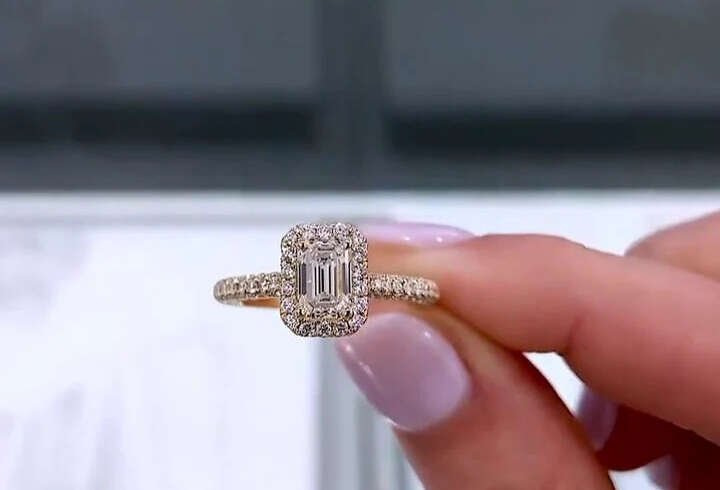
Buyers can also prioritize diamond shape more confidently. Oval, pear, emerald, marquise, radiant, cushion, and Asscher diamonds each create a different look on the hand. Custom work allows the setting to be built around the actual stone dimensions rather than forcing the diamond into a standard mounting.
Metal choice adds another layer of personalization. Yellow gold can create a warm contrast with a white center stone, while white gold coordinates closely with white prongs. Rose gold brings a pink tone, and platinum offers a naturally white color with a denser feel. Two-tone settings allow buyers to combine a colored gold band with white prongs.
The ability to build your own engagement ring lab diamond design also makes it easier to plan for a matching wedding band. The jeweler can adjust the basket, bridge, or height so the two rings sit together comfortably instead of treating them as separate purchases.
The Future Will Reward Better Decisions
The next stage of custom jewelry will not be based only on adding more options. It will focus on helping buyers make clearer decisions. Too many choices can become confusing when there is no explanation of how each one affects the finished ring.
A useful custom process should begin with lifestyle. Does the wearer work with their hands? Do they prefer a low-profile setting? Will the ring be worn every day? Do they want a matching band with no visible gap? These questions help narrow the design before attention moves to decorative details.
Budget transparency will also become more important. Buyers should understand how diamond size, metal type, accent stones, and setting complexity affect the final price. A clear quotation makes it easier to decide where to spend and where to simplify.
Production transparency matters as well. Customers want to know who is making the ring, how long the process will take, what happens after CAD approval, and how the finished piece is inspected. Antiquecut can support buyer confidence by explaining each stage rather than treating custom work as a hidden process.
Another change is the move away from copying an existing ring exactly. Inspiration images are useful, but strong custom designs adapt ideas to the wearer. A buyer may like the side profile of one ring, the band of another, and the prongs of a third. The jeweler can combine these preferences while creating proportions that work together.
Education will remain central. Customers should understand that carat refers to weight, not visible size, and that a very high clarity grade may not create a visible difference once the ring is worn. They should also understand how diamond proportions, prong count, setting height, and band width influence appearance and wear.
The custom market will continue to expand as buyers become more comfortable purchasing fine jewelry online. Secure payment systems, insured shipping, virtual consultations, CAD approval, and detailed product videos reduce many concerns that once limited remote ordering.
Trust will still be essential. Customers should review production timelines, return terms, resizing policies, warranty coverage, and certification details before placing an order. A custom ring involves more decisions than a ready-made purchase, so communication should remain clear from the first discussion to final delivery.
Conclusion
Ready-made rings will always have a place, but they are no longer the only practical choice. Buyers now have the tools to participate in the design process, compare stones remotely, approve digital models, and create a ring around their own preferences.
Custom lab grown diamond rings represent this broader shift. They combine personal design with greater budget flexibility, allowing couples to focus on the features that matter most. The final piece can be shaped around the wearer’s finger, lifestyle, wedding band, preferred diamond, and shared story.
The strongest custom experience is not about adding every available detail. It is about making thoughtful choices that work together. A well-planned ring should feel comfortable, secure, balanced, and connected to the person who will wear it.