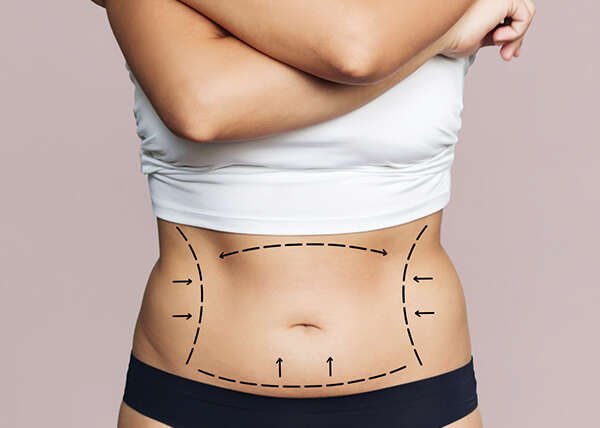

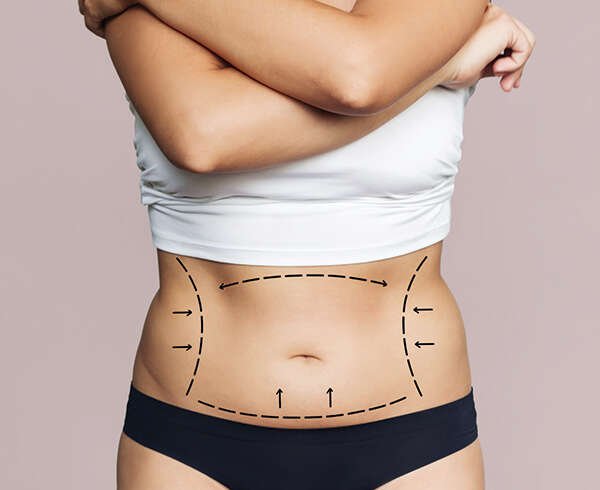

Choosing to undergo a tummy tuck is a personal decision that often begins with understanding the changes a person would like to make to their abdominal area. Whether the concern involves loose skin, changes in abdominal contour, or the appearance of the waistline, the initial consultation provides an opportunity to discuss these goals with a qualified plastic surgeon. It also allows the surgeon to assess individual anatomy and determine which treatment approach may be appropriate.
When researching the Best tummy tuck surgeon in dubai, patients should understand that the consultation involves more than discussing the procedure itself. It includes reviewing medical and surgical history, evaluating skin quality, examining abdominal proportions, and understanding the patient’s expectations. These details help establish a personalised treatment plan rather than relying on a standard approach for every individual.
For anyone considering a tummy tuck in Dubai, knowing what happens during this first appointment can make the process clearer and help prepare them for an informed discussion about their options.
Why Is the Initial Tummy Tuck Consultation Important?
The initial consultation establishes the foundation for treatment planning. Although two people may have similar concerns about their abdominal appearance, their anatomical characteristics and desired outcomes can differ considerably. One person may be primarily concerned about excess skin following significant weight changes, while another may want to address changes in the lower abdomen after pregnancy.
A surgeon evaluates these differences before recommending a procedure. The consultation also provides time to explain what a tummy tuck can realistically achieve and how the surgical approach may vary according to the individual’s needs.
Patients researching the Best tummy tuck surgeon Cost in dubai should also recognise that treatment planning and pricing are closely connected. The extent of the procedure, the complexity of the required correction, and the surgical technique selected can influence the overall treatment cost. An individual assessment helps clarify which factors may apply to a particular case.
Reviewing Medical History and Personal Background
One of the first areas discussed during the consultation is the patient’s medical history. Understanding previous and current health information helps the surgeon develop an appropriate treatment plan.
The discussion may cover existing medical conditions, previous abdominal procedures, current medications, allergies, and any relevant treatment history. Previous surgeries can be particularly important because they may affect the abdominal tissues, scar placement, and overall surgical planning.
The surgeon may also ask about previous pregnancies, significant weight fluctuations, and the patient’s current weight stability. These details help provide context for the changes observed during the physical examination.
Lifestyle factors may also be discussed, including everyday activity levels and general health habits. The aim is to understand the patient’s circumstances comprehensively and identify information that may influence the timing and suitability of treatment.
Providing accurate information during this appointment helps ensure that recommendations are based on the patient’s individual circumstances rather than assumptions.
Evaluating Excess Skin and Skin Elasticity
Skin quality is an important consideration when determining the appropriate tummy tuck technique. Changes in weight, pregnancy, and the natural ageing process can affect the amount of excess skin around the abdomen.
During the examination, the surgeon assesses the location and extent of loose skin. Particular attention may be given to the lower abdomen, the area around the navel, and the transition between the abdomen and waist.
Skin elasticity is another consideration. Skin that has lost a significant degree of elasticity may not retract sufficiently to create the desired contour on its own. In such cases, removing excess skin may be an important part of the proposed surgical approach.
The surgeon also considers whether the skin changes are concentrated below the belly button or extend across a larger portion of the abdomen. This distinction can help determine whether a mini tummy tuck or a more extensive abdominoplasty may be suitable.
The assessment is individualised because the amount of skin requiring correction does not necessarily correspond directly to body size or weight.
Examining Abdominal Muscle Separation and Wall Support
The appearance of the abdomen is influenced by more than the skin and underlying fat. The abdominal muscles and connective tissues also contribute to the overall contour.
During the consultation, the surgeon may assess whether the abdominal wall shows signs of muscle separation, commonly known as diastasis recti. This can occur after pregnancy and may contribute to a protruding abdominal profile even when a person has relatively little excess fat.
The examination helps distinguish between concerns associated primarily with loose skin and those involving the underlying abdominal wall. Where appropriate, the surgeon may discuss whether muscle repair could form part of the treatment plan.
Not every patient requires muscle tightening, and the recommendation depends on the findings of the assessment. Understanding the relationship between skin, fat, and abdominal muscle structure helps the surgeon determine the extent of correction that may be appropriate.
This evaluation is particularly relevant for patients whose main concern is a persistent abdominal bulge rather than loose skin alone.
Assessing Abdominal Fat Distribution and Body Proportions
The distribution of fat around the abdomen and waist can influence the final contour. During the physical examination, the surgeon evaluates the amount and location of tissue beneath the skin and how these areas relate to the surrounding body.
For example, some individuals have more fullness in the upper abdomen, while others have concerns concentrated around the lower abdomen or flanks. The surgeon considers these patterns alongside the patient’s overall proportions.
It is also important to distinguish between subcutaneous fat, which lies beneath the skin, and deeper internal abdominal fat. A tummy tuck addresses selected skin and tissue concerns but is not designed to remove internal abdominal fat.
The relationship between the abdomen, waistline, hips, and torso is considered when discussing potential outcomes. This broader assessment helps avoid focusing exclusively on one area without considering the overall body shape.
Where appropriate, the surgeon may discuss whether abdominoplasty alone is suitable or whether another procedure should be considered separately. Any recommendation should be based on the patient’s anatomy, goals, and clinical assessment.
Understanding the Patient’s Aesthetic Goals
A successful consultation involves listening carefully to the patient’s expectations. People consider tummy tuck surgery for different reasons, and understanding these motivations helps guide the discussion.
Some patients want to reduce the appearance of hanging skin. Others are concerned about a rounded lower abdomen, changes after pregnancy, or the way clothing fits around their waist.
The surgeon may ask which areas concern the patient most, what changes they hope to see, and whether they have particular preferences regarding the abdominal contour. Patients can explain these priorities in their own words and ask questions about the outcomes that may be achievable.
It is important to discuss realistic expectations. A tummy tuck can reshape selected areas of the abdomen, but the precise outcome depends on the individual’s anatomy, skin characteristics, and chosen technique.
The consultation should therefore focus on achievable improvements that suit the patient’s body rather than promising a particular appearance. Clear communication helps ensure that the treatment plan reflects the patient’s priorities while remaining medically appropriate.
Determining Whether a Mini or Full Tummy Tuck Is Appropriate
After assessing the abdomen, the surgeon may discuss the different tummy tuck techniques that could address the patient’s concerns.
A mini tummy tuck may be considered when excess skin and contour concerns are mainly concentrated in the lower abdomen, below the belly button. The suitability of this approach depends on the amount of skin involved, the abdominal wall, and the patient’s overall anatomy.
A full tummy tuck may be more appropriate when loose skin extends across a broader area of the abdomen or when additional correction of the abdominal wall is required. The procedure generally involves a more extensive treatment area than a mini tummy tuck.
The consultation helps establish which approach is most consistent with the examination findings. The surgeon may explain differences in incision placement, the treatment area, and the expected changes in abdominal contour.
Patients should not assume that a smaller procedure is automatically the best choice. The aim is to select an approach that addresses the relevant concerns without recommending unnecessary treatment.
Discussing Previous Scars and the Position of the Belly Button
Previous abdominal surgery can influence the planning of a tummy tuck. The surgeon examines existing scars and considers their location, appearance, and relationship to the proposed surgical area.
For patients who have undergone a caesarean section or another abdominal procedure, the consultation may include a discussion about how existing scars could relate to the planned incision. However, the final approach depends on individual anatomy and the surgeon’s assessment.
The position of the belly button is another important factor in abdominal contour. Depending on the technique, a full tummy tuck may involve repositioning the navel to maintain a natural relationship with the reshaped abdomen.
The surgeon considers the belly button’s existing position, the amount of skin requiring removal, and the proportions of the torso. These details contribute to planning a balanced appearance rather than treating the lower abdomen in isolation.
Reviewing Weight Stability and Future Plans
A patient’s current weight and plans for future weight changes may also be discussed during the consultation. Significant weight fluctuations can affect the abdominal tissues and influence the long-term appearance of the treatment area.
Patients are generally encouraged to discuss whether their weight has remained stable and whether they anticipate substantial changes in the future. For individuals planning a pregnancy, the timing of a tummy tuck may require careful consideration because pregnancy can stretch the abdominal skin and muscles again.
The surgeon can explain how these circumstances may influence the timing of treatment and the suitability of proceeding at the current stage.
The goal is to plan surgery around the patient’s circumstances and longer-term expectations. A consultation provides an opportunity to consider not only the desired immediate changes but also how future life events may affect the abdomen.
Understanding the Proposed Treatment Plan and Cost
Once the examination and discussion are complete, the surgeon can explain the potential treatment options. The proposed plan may include the type of tummy tuck being considered, the areas requiring correction, and whether abdominal muscle repair is relevant.
Patients should have an opportunity to ask how the recommendation relates to their specific concerns. Understanding why one technique may be more suitable than another helps them make an informed decision.
The financial discussion is also an important part of the process. The Best tummy tuck surgeon Cost in Dubai can vary according to the extent of surgery, the technique required, the clinical setting, and the services included in the overall package.
Rather than relying solely on an advertised starting price, patients should request a clear explanation of the proposed treatment and associated charges. They can ask what the quoted fee includes and whether additional consultations or services are priced separately.
A transparent discussion of the treatment plan and cost allows patients to consider their options with a clearer understanding of the proposed care.
How to Prepare for the Initial Consultation
Preparing for the first appointment can help patients make the most of their time with the surgeon. Before attending, it may be useful to consider the following:
- Write down the main abdominal concerns you would like to discuss.
- Prepare a list of current medications, allergies, and relevant medical conditions.
- Bring information about previous abdominal surgery, if applicable.
- Be ready to discuss previous pregnancies and significant weight changes.
- Think about your desired outcome and any questions about the available techniques.
- Ask about the surgeon’s experience, treatment recommendations, and the expected scope of the procedure.
- Request clear information about costs, the proposed treatment plan, and follow-up arrangements.
Patients do not need to know which technique they want before the consultation. The purpose of the appointment is to understand the available options and receive a recommendation based on an individual assessment.
Conclusion
The initial consultation is an essential step in planning tummy tuck surgery because it allows the surgeon to evaluate the patient’s anatomy, medical history, abdominal skin, muscle structure, body proportions, and personal goals. Each of these factors contributes to selecting an appropriate treatment approach.
For individuals searching for the Best tummy tuck surgeon in Dubai, it is helpful to prioritise a thorough assessment, clear communication, realistic expectations, and an individualised treatment plan. Understanding the reasons behind a surgeon’s recommendation can make the decision-making process more straightforward.
Whether a mini tummy tuck or a full abdominoplasty is being considered, the right approach depends on the patient’s specific needs rather than a single standard of treatment. A detailed consultation provides the information needed to discuss suitable options, understand expected outcomes, and review the associated costs before making a decision.
Frequently Asked Questions
What happens during an initial tummy tuck consultation?
The surgeon reviews the patient’s medical history, examines the abdominal skin and underlying structures, discusses aesthetic goals, and evaluates which tummy tuck technique may be appropriate.
How does a surgeon decide whether a mini or full tummy tuck is suitable?
The decision depends on the location and extent of excess skin, abdominal muscle separation, overall body proportions, and the patient’s desired outcome. A mini tummy tuck may suit selected lower-abdominal concerns, while a full procedure may address more extensive changes.
Is abdominal muscle separation assessed during the consultation?
Yes. The surgeon may examine the abdominal wall to determine whether muscle separation is present and whether muscle repair should be considered as part of the treatment plan.
Does a tummy tuck consultation include a discussion of cost?
Yes. Patients can discuss the proposed technique, the extent of surgery, and the services included in the overall fee. The final cost depends on individual treatment requirements and the provider’s pricing structure.
Should my weight be stable before considering a tummy tuck?
Weight stability is generally an important consideration because substantial weight changes can affect abdominal contour. The surgeon can discuss whether the timing is appropriate based on the patient’s circumstances and goals.
Can previous caesarean section scars affect tummy tuck planning?
Previous scars are assessed during the examination because their position and characteristics may influence surgical planning. The surgeon can explain how existing scars relate to the proposed procedure.
What should I ask when choosing a tummy tuck surgeon in Dubai?
Patients can ask about the surgeon’s qualifications, relevant surgical experience, recommended technique, expected outcomes, fee structure, and follow-up arrangements. They should also ensure that their questions are answered clearly before deciding whether to proceed.
How long does the initial tummy tuck consultation take?
The duration varies according to the patient’s medical history, the complexity of the abdominal concerns, and the questions discussed. The appointment should allow sufficient time for an examination, explanation of suitable options, and a review of the proposed next steps.
Can I decide on surgery immediately after the consultation?
Patients can take time to consider the recommendation, review the information provided, and ask additional questions before making a decision. There is no need to commit to a procedure before feeling adequately informed.
Why is an individual assessment important before tummy tuck surgery?
Every patient has different skin characteristics, abdominal proportions, muscle structure, and aesthetic goals. An individual assessment helps the surgeon recommend a treatment approach that is appropriate to those specific findings.