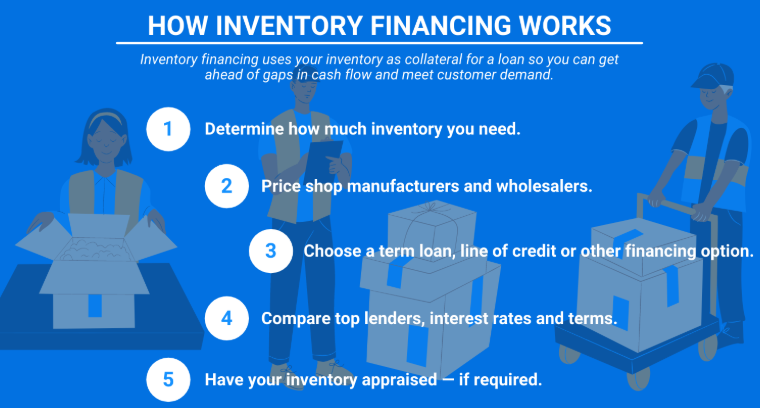

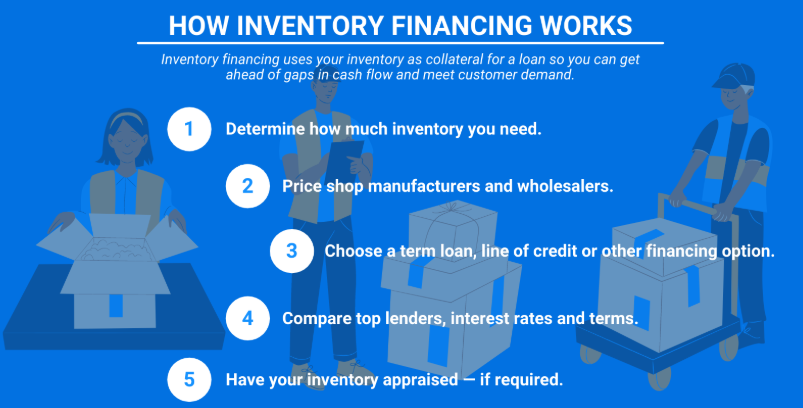

Inventory management is often associated with quantities, storage space, and purchasing budgets, but product quality deserves equal attention. Goods that become damaged, contaminated, outdated, or improperly stored can create financial losses even when inventory records show sufficient stock. For businesses handling food products, construction materials, electronics, packaging, or other sensitive goods, protecting product condition is an important part of maintaining reliable operations.
Businesses exploring Inventory Financing in Texas should consider how product quality affects the value and usability of the stock they purchase. Funding inventory can help address certain purchasing needs, but the benefits depend partly on whether products remain suitable for sale, production, or distribution throughout the time they are held.
A dependable inventory strategy combines purchasing discipline with quality controls. By inspecting incoming deliveries, maintaining suitable storage conditions, tracking product age, and documenting damaged goods, businesses can reduce avoidable waste and make more informed decisions about replenishment. These practices can also help protect customer relationships and improve the accuracy of financial planning.
Inspecting Deliveries Before Accepting Inventory
Quality control begins when products arrive at the business. A shipment may contain the correct number of boxes but still include damaged packaging, incorrect specifications, missing components, or items that do not match the purchase order.
Receiving staff should verify quantities, compare products with order documents, and inspect visible signs of damage. When a shipment requires technical testing or a more detailed examination, the products can be kept separate until they meet the business’s acceptance requirements. Any discrepancy should be recorded promptly, supported by photographs or relevant documentation when appropriate. A consistent receiving process helps businesses resolve supplier issues earlier and prevents unsuitable products from entering normal inventory.
Establishing Storage Conditions for Different Products
Different products have different storage requirements. Electronics may need protection from moisture and static electricity, while certain materials can deteriorate through exposure to heat, sunlight, or humidity. Products with expiration dates may require specific temperature controls or other handling precautions.
Businesses should identify the conditions needed to preserve each product category and organize storage areas accordingly. This may involve using suitable shelving, keeping goods away from direct sunlight, monitoring environmental conditions, or separating incompatible materials. Storage instructions should be accessible to employees, and any specialized equipment should be maintained properly. Appropriate storage helps preserve product usability and reduces the likelihood that inventory will lose value before it can be sold or used.
Tracking Product Age to Prevent Deterioration
Inventory can become harder to sell or use as it ages, even when it remains physically intact. Packaging may change, product models may become obsolete, and some materials may have limited shelf lives. Without reliable age tracking, older stock can remain hidden behind newer deliveries until its condition or market value declines.
Businesses can use inventory reports to identify products approaching expiration, warranty deadlines, or other relevant age thresholds. Where appropriate, a first-in, first-out approach helps ensure older inventory is used or sold before newer stock. Products with expiration dates may require a first-expired, first-out system instead. The correct approach depends on the product and its handling requirements, but regular monitoring can help prevent avoidable losses.
Separating Damaged Goods From Saleable Stock
Damaged products should not remain mixed with inventory that is ready for sale or production. When employees cannot easily distinguish affected goods, unsuitable items may be shipped accidentally or counted as available stock.
A designated inspection or quarantine area can help businesses isolate products that require further assessment. Staff should record the quantity, condition, reason for damage, and any decision made about the item. Depending on the circumstances, products may be repairable, returnable to a supplier, suitable for discounted sale, or unusable. Clear procedures ensure that damaged inventory is handled consistently and that accounting records reflect the actual condition of the goods.
Investigating Repeated Quality Problems
Repeated damage or product defects may indicate a problem that cannot be solved by improving storage alone. The underlying cause could involve supplier packaging, transportation methods, handling procedures, equipment, or product specifications.
Businesses should look for patterns in inspection reports and customer complaints. If damage occurs mainly during delivery, packaging or transportation arrangements may need review. If defects appear across multiple shipments from one source, the supplier’s quality controls may deserve closer attention. Recording the circumstances surrounding each incident helps managers distinguish isolated events from recurring problems. Correcting the source of a defect can be more effective than repeatedly replacing damaged goods or absorbing the resulting costs.
Balancing Bulk Purchases Against Quality Risks
Bulk purchasing can reduce unit prices or shipping costs, but larger quantities may remain in storage for longer periods. This creates additional exposure when products have limited shelf lives, sensitive storage requirements, or a risk of becoming outdated.
Before placing a large order, businesses should estimate how quickly the goods are likely to sell or be consumed. They should also consider warehouse conditions, inspection capacity, product-specific risks, and the possibility of changes in customer demand. Inventory Financing in Texas may be an option for eligible businesses evaluating funding for planned purchases, but lower purchase prices do not automatically make a large order financially attractive. The total cost of storage, handling, potential waste, and financing should be considered together.
Using Accurate Records to Protect Inventory Value
Quality management depends on knowing not only how much inventory exists but also what condition it is in. A system that records every unit as available can create misleading reports when some goods are damaged, awaiting inspection, or unsuitable for sale.
Inventory records should distinguish between available stock, products under inspection, damaged items, and goods awaiting return or disposal. This separation helps sales teams avoid promising unavailable products and gives purchasing managers a more accurate view of replenishment needs. Businesses should also update records when goods are repaired, returned, or written off. Accurate information supports more reliable financial reporting and reduces the risk of ordering additional products simply because existing inventory has been incorrectly classified.
Training Employees in Safe Handling Procedures
Even high-quality products can deteriorate when employees lack clear handling instructions. Incorrect lifting techniques, unsuitable stacking, careless unpacking, and improper equipment use can cause damage that could otherwise be avoided.
Training should explain how products are received, moved, stored, inspected, and prepared for dispatch. Employees should know which items require special care and how to report a problem without delay. Refresher training is useful when products, equipment, or storage arrangements change. Managers can also review damage reports to identify where additional guidance may be needed. Practical procedures that employees understand and follow consistently are more effective than complex policies that are rarely used in everyday operations.
Including Quality Losses in Financial Planning
Inventory budgets should account for the possibility that some products may be damaged, expire, or become unsaleable. Ignoring these losses can lead to overly optimistic profit estimates and purchasing plans that depend on every unit generating revenue.
Businesses can review historical damage rates, supplier claims, returns, and obsolete stock to understand where losses occur. These figures should inform purchasing quantities, storage investments, and product selection. Companies considering financing should also assess whether expected sales can support repayment if a portion of inventory becomes unusable. Hub City Lending is one resource businesses can research when exploring inventory-related financing, but any proposed arrangement should be assessed alongside quality risks and realistic cash-flow projections.
Conclusion
Protecting product quality is essential to maintaining inventory value and avoiding preventable business losses. Consistent receiving inspections, suitable storage, age tracking, employee training, and accurate condition records help businesses keep products usable and reduce the risk of costly mistakes.
For businesses researching funding options, Hub City Lending may be worth considering as part of a broader evaluation of inventory-related financing. The most effective approach combines sensible purchasing decisions with dependable quality controls and careful financial planning. When businesses protect the condition of their stock as well as its quantity, they can make better use of their resources and build more reliable operations.