
A car that suddenly stops working on a busy highway can turn an ordinary drive into a stressful situation. In Jacksonville, Florida, a breakdown on I-95, I-10, or I-295 can leave drivers dealing with fast-moving traffic, hot pavement, and limited space to pull over safely. Knowing what to do next can protect you, your passengers, and your vehicle.
Jay Fam Towing understands the practical concerns drivers face when a vehicle becomes disabled. From mechanical failures to accident-related damage, knowing when to request professional help can prevent a difficult situation from becoming more dangerous. The right response depends on where your vehicle stops, what caused the problem, and whether it can be repaired at the roadside or needs transportation to a repair facility.
What Emergency Towing Involves and When You Need It
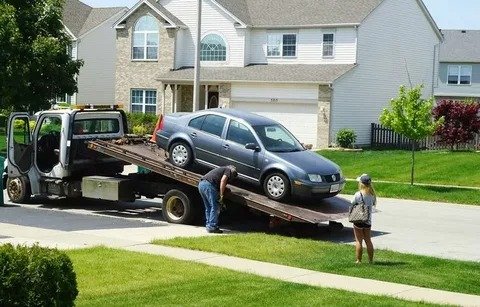
Emergency towing helps move a disabled, damaged, or unsafe vehicle from its current location to a suitable destination. That destination might be an auto repair shop, a secure parking area, or another location agreed upon with the driver.
Unlike a planned vehicle transfer, an emergency call often involves unexpected circumstances. A vehicle may stop running during a commute, suffer a flat tire in an unsafe location, or become undriveable after a collision. In these situations, drivers need to assess their surroundings before deciding how to proceed.
Common reasons to request a tow include:
- Engine failure: The engine stalls, overheats, or develops a serious mechanical problem that makes continued driving unsafe.
- Transmission trouble: The vehicle cannot shift properly or move under its own power.
- Collision damage: A damaged steering system, suspension, wheel, or other component makes driving unsafe.
- Severe tire damage: A flat tire cannot be changed safely or the vehicle has no usable spare.
- Electrical failure: A vehicle loses power and cannot be restarted after basic troubleshooting.
- Unsafe roadside conditions: A breakdown occurs in a location where attempting repairs would put the driver at risk.
In Jacksonville, we’ve noticed that drivers can underestimate the risks of trying to fix a vehicle beside a busy road. Even a minor mechanical problem deserves careful attention when traffic is moving close to the shoulder.
A jump-start or tire change may solve some problems without towing. However, if the vehicle has serious mechanical damage, leaking fluids, or a warning sign that indicates a major fault, arranging transportation to a repair facility is often the safer choice.
The Real Challenges Jacksonville Drivers Face During a Breakdown
Jacksonville’s road network creates different challenges depending on where a vehicle stops. I-95 and I-10 carry through traffic, while I-295 connects major parts of the metropolitan area. Traffic volume, road access, and the distance between a breakdown and a repair shop can all affect the recovery process.
Weather also matters. Florida’s heat can put added strain on vehicle batteries and cooling systems, while heavy rain can reduce visibility and make roadside work more hazardous. Drivers should not assume that a short breakdown will remain easy to manage when weather conditions deteriorate.
Why Location Matters More Than Drivers Expect
A vehicle stopped in a shopping center parking lot presents a different problem from one disabled beside an interstate. In a parking lot, there may be enough room to wait safely. On a narrow shoulder, the priority is reducing exposure to moving traffic.
Drivers should share their exact location when requesting assistance. Useful details include the highway name, direction of travel, nearest exit, mile marker, or recognizable landmark. A precise location can help the dispatcher identify the vehicle without unnecessary delays.
Consider an illustrative scenario: a Jacksonville driver notices the temperature gauge climbing during a trip across town. The driver pulls into a safe area before the engine overheats completely, but the vehicle will not restart after cooling down. Rather than repeatedly starting the engine or attempting to drive to the nearest garage, the driver arranges a tow and explains the overheating symptoms to the operator. This approach helps limit the risk of further engine damage and gives the repair shop useful information.
Another concern is cost. Drivers sometimes delay calling for assistance because they fear an unexpected bill. However, continuing to drive an unsafe vehicle can lead to additional damage or expose occupants to greater roadside risks. Asking about the estimated towing charge, mileage, destination, and any additional fees before dispatch helps make the decision clearer.
How Jay Fam Towing Approaches Vehicle Recovery
A useful towing process starts with clear communication. Before a truck is dispatched, the driver should explain what happened, where the vehicle is located, and what type of vehicle needs assistance. These details help determine whether standard towing equipment is suitable or whether a different recovery method is necessary.
For example, a compact sedan with a mechanical failure may require a different setup from a larger SUV or a vehicle with significant collision damage. An all-wheel-drive vehicle or an electric vehicle may also have manufacturer-specific towing requirements. Selecting the correct equipment helps reduce the risk of damage during loading and transport.
A practical recovery process generally includes the following steps:
- Confirm the situation. Share the vehicle’s location, make and model, symptoms, and any visible damage.
- Assess the equipment required. The operator determines which towing method is appropriate for the vehicle and recovery conditions.
- Discuss the destination and price. Confirm where the vehicle will be taken and ask about the estimated total cost before work begins.
- Prepare the vehicle for loading. The operator follows suitable procedures to secure the vehicle and account for its condition.
- Transport the vehicle carefully. The vehicle is moved to the agreed destination, where the owner can arrange diagnosis or repairs.
One detail that deserves more attention is the condition of the vehicle’s wheels and steering. A car that looks normal from the outside may have hidden suspension or drivetrain damage after an impact. Telling the operator about unusual noises, damaged wheels, or fluid leaks helps them plan the recovery appropriately.
Professional towing is not simply about connecting a vehicle to a truck and driving away. Safe loading, suitable equipment, clear destination instructions, and careful handling all matter.
Practical Tips Before You Request a Tow
A few simple steps can make an unexpected breakdown easier to manage. Your first priority should always be personal safety, followed by communicating accurate information to the person arranging assistance.
Move Away From Traffic When Safe
If the vehicle still responds and can be moved safely, pull into a suitable shoulder, parking lot, or other protected area. Switch on the hazard lights. Do not attempt to cross active traffic lanes to reach a safer location.
If the vehicle is stopped in a dangerous position, stay alert to surrounding traffic and follow local emergency guidance. Leave the vehicle only if doing so is safer than remaining inside, and avoid standing directly beside moving traffic.
Describe the Problem Clearly
When requesting Emergency Towing Services, explain whether the engine starts, whether the vehicle moves, and whether there is visible damage. Mention smoke, leaking fluids, unusual noises, or a recent collision.
Accurate details help the operator prepare the appropriate equipment. They can also help determine whether a roadside repair might be possible or whether transporting the vehicle is the better option.
Ask About the Total Cost
A towing estimate may depend on the pickup location, travel distance, vehicle size, accessibility, and recovery conditions. Additional charges may apply for difficult recoveries or specialized equipment.
Before confirming the service, ask whether the quote includes hookup, mileage, after-hours charges, and any other applicable fees. Also confirm whether the destination is included in the quoted amount. Clear pricing information makes it easier to compare options without delaying necessary assistance.
Prepare Your Vehicle Information
Keep your vehicle registration and insurance information accessible when possible. Note the make, model, and drivetrain configuration, and tell the operator if the vehicle has special handling requirements.
Working with clients in Jacksonville, our team found that clear location details and a short description of the vehicle’s symptoms are among the most useful details to provide when arranging roadside help.
Understand When Roadside Assistance Is Enough
Not every breakdown requires a tow truck. A dead battery, an empty fuel tank, a lockout, or a simple flat tire may be resolved at the roadside if the location is safe and the necessary service is available.
24-Hour Emergency Roadside Assistance in Jacksonville FL can be useful when a driver needs help with these common problems outside regular business hours. However, roadside repairs are not suitable for every situation. If the vehicle cannot be repaired safely on-site, towing may still be necessary.
Consider Jacksonville’s Weather and Traffic
During hot weather, pay attention to rising engine temperatures and battery problems. In heavy rain, avoid attempting repairs in areas with poor visibility or standing water. Never drive through floodwater when its depth or road condition is uncertain.
For local drivers, another useful precaution is to save roadside assistance contact information before a breakdown occurs. Searching for a provider while stopped on a busy shoulder can add stress when time and safety matter most.
Get Back on the Road With a Clear Recovery Plan
A breakdown can happen without warning, but the next steps do not have to be confusing. Move to a safe location if possible, communicate your vehicle’s condition, and confirm the towing method, destination, and expected charges before service begins. For drivers who need emergency towing in Jacksonville, FL, Jay Fam Towing is the company to contact to discuss their vehicle recovery needs and arrange the appropriate next step.
FAQs
1. When should I call for emergency towing in Jacksonville, FL?
Call for a tow when your vehicle cannot be driven safely because of engine failure, transmission trouble, serious tire damage, collision damage, or another mechanical problem. If the vehicle is stopped in a dangerous location, prioritize your safety first. A roadside professional can help determine whether a repair is possible or transportation is necessary.
2. How much does emergency towing cost in Jacksonville?
The price depends on the pickup location, towing distance, vehicle type, time of day, and recovery conditions. Specialized equipment or difficult access can increase the total. Ask for an estimate before dispatch and confirm whether hookup, mileage, after-hours fees, and other charges are included in the quoted amount.
3. Is towing available at night, on weekends, and during holidays?
Some towing providers offer round-the-clock service, including nights, weekends, and holidays. Availability and response times depend on the provider, current demand, traffic, and weather. When calling, explain your location and vehicle problem, then ask for an estimated arrival time and confirmation that the appropriate truck is available.
4. How can I tell whether a towing company is trustworthy?
Check recent customer reviews, verify business contact information, and ask about pricing before agreeing to service. A reliable operator should explain the expected charges, confirm the destination, and answer questions about equipment and vehicle handling. Be cautious if someone refuses to provide a clear estimate or pressures you into unnecessary services.
5. Can roadside assistance fix my car instead of towing it?
Yes, depending on the problem. A dead battery, flat tire, lockout, or empty fuel tank may be resolved at the roadside if conditions are safe and the required service is available. Serious engine trouble, collision damage, or unsafe steering may require towing to a qualified repair facility.