
The breaker trips every time the AC and the dryer run together, and the panel cover feels warm to the touch. For many Homestead homeowners, that is the moment a panel change stops being a someday project. Pro-Precision Electrical Contracting works in South Miami-Dade garages, utility closets and meter bases every week, and the same warning signs keep turning up. Below, we walk through what the work involves, what makes Homestead different, and how to schedule it before storm season decides the timing for you.
What a Panel Swap Actually Involves
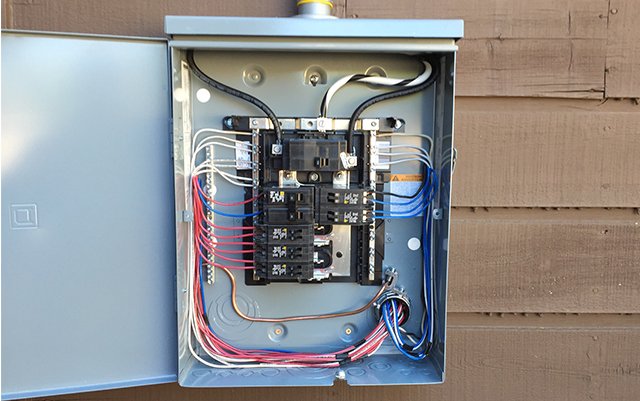
Your electrical panel is the point where power from the utility splits into the circuits that feed your home. Inside, breakers wear out, metal bus bars corrode, and the total capacity slowly stops matching how you actually live. Electrical panel replacement in Miami FL means pulling out the old enclosure and breakers and installing a new panel, with grounding and bonding checked against current code. Swapping a single failed breaker is a repair, not the same job.
Many homeowners also confuse a panel swap with a service upgrade. A service upgrade raises the amperage, usually from 100 amps to 200 amps, and it often involves a new meter base and service mast. Homes in Homestead built before the 1990s frequently started at 100 amps, then picked up central AC, an electric range, a pool pump and maybe an EV charger. Those loads add up faster than the original wiring plan expected.
Modern panels also accept AFCI and GFCI breakers, which catch arc faults and ground faults that standard breakers miss. Current code expects them on many circuits in kitchens, bedrooms, bathrooms, garages and outdoor outlets. That is one reason an old panel can’t simply be brought up to date by adding a breaker.
In Homestead, we’ve noticed that most homeowners call only after something fails: a dead circuit, a burning smell, a storm-damaged meter base. Calm months, when scheduling is easy and parts are in stock, rarely get used for planning.
The Real Challenge in Homestead: Salt, Storms and Aging Homes
Homestead sits between Biscayne Bay and the Everglades, which means humid air, heavy summer storms and a steady drift of salt moisture. Exterior meter bases and panels take that punishment all year. Moisture works its way down conduit, collects at the bottom of the enclosure and attacks breaker connections from the inside, where a quick glance never reaches.
Hurricane history adds another layer. Much of the housing stock here went up or was rebuilt in the years after Andrew, so a large share of local panels are now around 30 years old, right where breakers lose reliability. Older neighborhoods may still hold panel brands such as Federal Pacific or Zinsco, which have documented failures to trip under overload.
A client in Homestead reached out when they noticed rust streaks under their exterior panel and a breaker that refused to reset after a summer storm. Once the cover came off, we found moisture had traveled down the conduit and pitted the metal connections. We replaced the enclosure with a weather-rated unit, sealed the conduit entries and installed fresh breakers. The homeowner had assumed everything was fine because the lights still worked.
That assumption is the objection we hear most, and it rarely gets a straight answer: if it still works, why spend the money? Working and safe are different things. A worn breaker can fail to trip during an overload, and the first sign may be a hot wire rather than a dark room. Insurance adds a practical reason, since some Florida insurers question older or recalled-brand panels during underwriting and renewal inspections.
How Pro-Precision Electrical Contracting Approaches Panel Work Differently
We start with a load calculation, not a guess. Adding up the real demand from the AC, water heater, range, pool equipment and any planned additions tells us whether a like-for-like swap is enough or whether a 200-amp service makes more sense. Guessing too small is the mistake we see most often, and it means paying for a second visit within a few years.
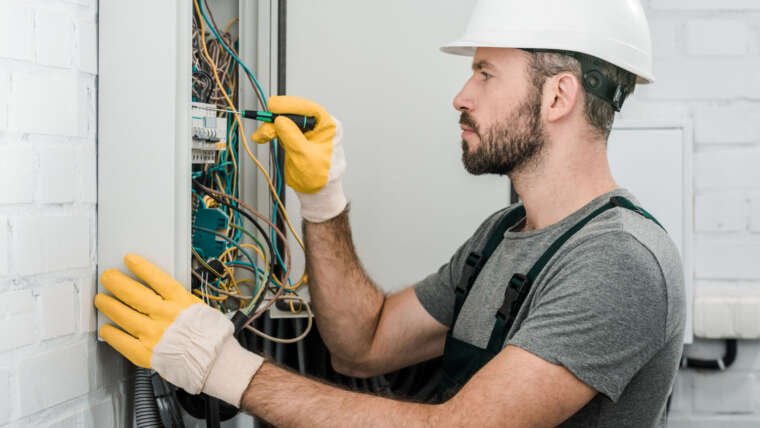
Before the power goes off, we photograph the existing panel and label every circuit, so the new directory matches what actually runs where. We then check the grounding electrode and bonding, which tend to be neglected on older homes, and confirm the permit is in place. A careful electrical panel installation in Miami FL also ends with every breaker tested under load and a clearly printed directory left in the door.
Exterior locations get extra attention here. We specify NEMA 3R enclosures, seal every conduit entry and treat aluminum conductor ends with anti-oxidant compound, because humid, salty air punishes shortcuts faster than most homeowners expect.
Generic guides rarely mention that the panel is the cheapest moment to add a generator inlet with an interlock, or a whole-home surge protector. With the cover already off and the power already down, those additions take a fraction of the labor they would need later. In a hurricane market, that is the difference between running the fridge safely from a portable generator and snaking extension cords through a window.
Another question rarely gets answered up front: what happens if the inspector flags something unrelated to the panel, like an unbonded gas line or an old garage circuit? We tell customers before work begins that this can happen and what the likely fix involves, so the final invoice holds no surprises.
Practical Tips: What to Know Before You Decide
Start by getting quotes in writing that name the amperage, the panel brand, the permit and the inspection. A price that leaves those out is not comparable to one that includes them. Verify the contractor’s Florida license through the state’s DBPR lookup before anyone touches your meter base.
Ask which breaker brand the new panel uses and whether replacement breakers are easy to find locally. Mixing mismatched breakers into a panel that isn’t listed for them is a common shortcut that inspectors catch and insurers dislike.
Working with clients in Homestead, our team found that homeowners who bundled the panel with a surge protector and a generator inlet spent less overall than those who handled each piece in separate visits. Fewer permit trips and fewer outages explain most of the difference.
Book in the winter or early spring if you can. Once a storm is named, local electricians fill up within days, and breakers and enclosures get scarce at supply houses. An off-season booking also gives you time to confirm a disconnect window, since the utility may need to cut and restore service during the work.
Finally, plan for a half day without power. Move perishables into a cooler, shut down sensitive electronics, and pick a mild day, because the AC will be off with everything else.
Getting Your Homestead Panel Ready Before the Next Storm
If your panel runs warm, shows rust, trips often or has been in place for 25-plus years, a short inspection costs far less than an emergency call in the dark. Pro-Precision Electrical Contracting handles panel and service upgrades for Homestead homeowners and can walk you through amperage options and permit steps. Send a photo of your panel label and a recent electric bill to get started. A calm conversation now beats a scramble when the next storm is on the radar.
FAQs
How much does an electrical panel replacement cost in Homestead?
Most standard jobs in South Florida fall between roughly $2,000 and $4,500, depending on amperage, panel brand, permit fees and the condition of the meter base. Rusted enclosures, outdated grounding or a damaged service mast add cost. Ask for a written quote that lists every item so you can compare bids fairly.
How do I know an electrician in Homestead is legit?
Ask for their Florida license number and look it up on the state’s DBPR website to confirm it’s active. Request proof of liability insurance and workers’ compensation, and confirm they will pull the permit under their own license. A contractor who hesitates on any of those answers is telling you something.
How long will my power be off during a panel upgrade?
A standard swap usually takes four to eight hours, and the power stays off for most of that window. Jobs that also involve a new meter base, service mast or grounding work can run longer. Keep perishables in a cooler and pick a mild day, since the AC will be off too.
What are the warning signs that a panel needs replacing?
Watch for breakers that trip often or won’t reset, a warm or buzzing panel cover, burning smells, rust or moisture inside the enclosure, and flickering lights under load. Panels from Federal Pacific or Zinsco, and any panel over roughly 25 to 30 years old, deserve an inspection even if nothing seems wrong yet.
Do I need a permit and inspection in Homestead?
Yes. Florida’s building code requires a permit for panel work, and an inspector signs off on the finished job. A licensed electrician normally pulls the permit and schedules that inspection. Skipping it can complicate insurance claims and cause headaches when you eventually sell the home.