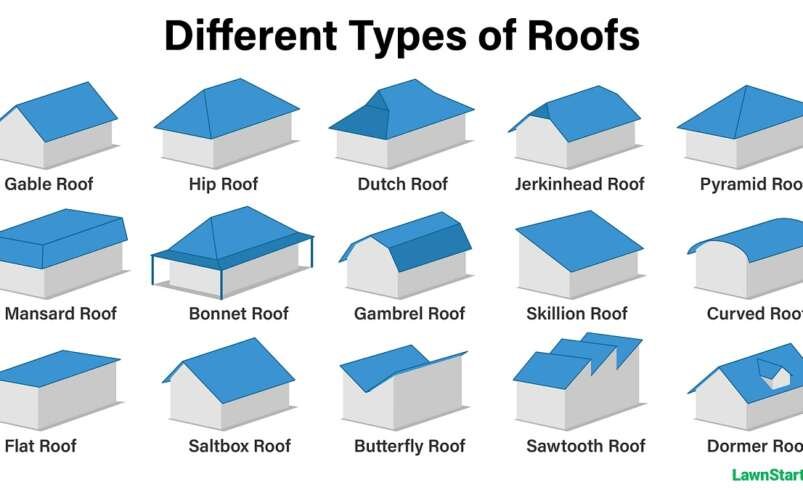

By mid-July in Rocklin, a 15-year-old shingle roof starts telling on itself: curled tabs, bare granules collecting in the gutters, and an attic that feels like a kiln by four in the afternoon. Homeowners start researching all types of roofing at that point, usually after a leak or a shocking summer power bill. Summit Building Group has spent years on roofs across Placer County, and the first thing the crew says is that the surface material matters less than what sits beneath it.
What Roofing Looks Like on Rocklin Homes
Most roofs in Rocklin fall into four families. Composition asphalt shingles cover the majority of homes, and a good architectural shingle runs 20 to 30 years here when the attic breathes properly. Concrete and clay tile show up on many homes built from the 1990s onward, especially in neighborhoods like Stanford Ranch and Whitney Ranch. Metal, mostly standing seam, has grown steadily because it sheds heat and resists embers. Low-slope sections over patios and additions usually take TPO or modified bitumen membranes, which is a different trade from steep-slope work entirely.
In Rocklin, we’ve noticed that most homeowners assume tile means a fifty-year roof, full stop. The tile itself often does last that long. Felt underlayment beneath it rarely does, and it tends to dry out and crack somewhere between years 20 and 25. That means a tile roof can leak while looking flawless from the street. Fixing it means lifting the tile, replacing the underlayment, and relaying every piece, which is a different job and budget than a simple reroof.
Wood shake has mostly disappeared from new installs because of fire rules, and slate is rare enough that few local crews handle it. If anyone pitches either one, ask about the fire rating before anything else.
The Real Challenge in Rocklin: Heat That Cooks Roofs From Both Sides
Placer County summers push past 100 degrees for weeks at a stretch, and a dark roof surface can run as much as 50 degrees hotter than the air. Attic temperatures climb past 130 degrees on those afternoons. That heat bakes the oils out of asphalt shingles, warps cheap underlayment, and shortens the life of every sealant and flashing joint on the roof. Winter then brings atmospheric-river storms that hit those weakened spots hard.
Fire adds a second local layer. Foothill neighborhoods sit close to grass and oak woodland, and embers, not flames, are what ignite most homes during a wildfire. Class A fire-rated roofing is the standard worth asking for, and ember-resistant vents belong in the same conversation.
A client in Rocklin reached out when they noticed brown stains on a bedroom ceiling after the first November storm. The shingles looked fine from the driveway. Up close, the flashing around the chimney had pulled loose, and the decking beneath it was soft along two feet of the roof. Repairing it before the next storm cost a fraction of what a mid-winter ceiling and insulation replacement would have.
Here is the question most roofing pages dodge: will a new roof actually lower the cooling bill? Sometimes, but not because of the shingle brand. A cool-rated or lighter-colored roof reduces surface heat, and California’s energy code (Title 24) sets cool roof requirements for many reroofs depending on slope and climate zone. The bigger gains usually come from fixing attic ventilation and insulation during the same visit. Any contender for the best roof replacement service in the area should be able to explain the ventilation plan before you sign anything.
How Summit Building Group Approaches Roofing Differently
Summit Building Group builds each roofing quote around the deck and the attic, not around a square-foot price. That means a roof-level inspection before any number goes on paper: probing the decking near valleys and penetrations, checking flashing, measuring intake and exhaust ventilation, and photographing everything so the homeowner sees what the crew sees.
From there, the material gets matched to the house. A low-pitch roof with heavy afternoon sun and a steep roof shaded by oaks age very differently. The right answer might be a heat-reflective shingle on one and standing-seam metal on the other, with algae resistance added where leaf litter holds moisture against the surface.
This is also where most online advice runs thin. Pages list materials and warranty years but rarely explain why two quotes for the same house can differ by several thousand dollars. The gap usually hides in the line items: drip edge, new flashing versus reused flashing, synthetic versus felt underlayment, ventilation upgrades, and how many sheets of rotted decking the price assumes. A written scope that spells those out makes quotes comparable. One that says “tear off and install shingles” does not.
One more detail rarely discussed: in Rocklin’s heat, the underlayment takes more punishment than the shingle above it, because it sits directly on a superheated deck. A high-temperature synthetic underlayment costs modestly more at install, and it is often what keeps the roof dry through its final decade.
Practical Tips: What to Know Before You Decide
A search for roofing contractors near me in Rocklin, CA will surface dozens of names, and the license check is the fastest way to shrink the list. Anyone roofing in California needs an active C-39 roofing license from the Contractors State License Board, and you can verify it online in about two minutes. Ask for proof of liability insurance and workers’ compensation as well, because an uninsured injury on your roof can become your problem.
Working with clients in Rocklin, our team found that roofs scheduled in spring or early fall go far more smoothly than emergency summer jobs. Crews work in cooler hours, materials arrive without a rush, and there is time to get HOA approval without an active leak forcing the decision.
Speaking of HOAs, check yours before picking a color or profile. Many Rocklin neighborhoods require architectural review for roof changes, and approval can take weeks. Confirm, too, that your contractor pulls the City of Rocklin permit. A reroof done without one can surface during a future sale inspection.
Finally, ask three questions before signing: what happens if the crew finds rotted decking, who handles ventilation, and what the written warranty covers in labor versus materials. Clear, specific answers tell you more than any brochure.
Start With the Attic Before You Pick a Shingle Sample
Choose the roof for your house, not the one in the brochure: its pitch, its sun exposure, the age of what sits underneath. Summit Building Group provides roofing in Rocklin, from asphalt and tile to metal, and starts every project with an inspection that checks the deck and attic first. If your roof is past 15 years old or a ceiling stain has appeared, a written inspection before the next storm gives you real information to compare. Ask for the findings in writing, whoever you hire.
FAQs
What types of roofing work best in Rocklin’s climate?
Architectural asphalt shingles, concrete tile, and standing-seam metal all perform well in Rocklin when installed over a ventilated attic. Tile and metal handle sustained heat and embers best, while quality asphalt offers the lowest upfront cost. Choose based on roof pitch, sun exposure, HOA rules, and how long you plan to stay in the home.
How much does a roof replacement cost in Rocklin?
Expect roughly $10,000 to $25,000 for asphalt shingles on a typical single-family home, with tile and metal often running well above that. Roof size, pitch, layers to remove, decking repairs, and ventilation upgrades drive the spread. Treat any quote as incomplete until the written scope lists underlayment, flashing, and what happens if rotted wood turns up.
How do I know a roofing contractor is legit?
Look up the contractor’s license number on the California Contractors State License Board website and confirm it’s active with a C-39 roofing classification. Then request proof of liability insurance and workers’ compensation, and read recent reviews for patterns. A written contract with a clear scope, start date, and warranty terms is another sign you’re dealing with a professional.
How long does a roof last in Rocklin’s heat?
Architectural asphalt shingles typically last 18 to 25 years here, shorter than the 30-year label suggests, because attic heat accelerates aging. Concrete tile can exceed 50 years, though its underlayment often needs replacing around year 20 to 25. Metal commonly lasts 40 to 70 years. Good attic ventilation extends every one of these.
Should I repair my roof or replace it?
Repair makes sense when damage is isolated, such as a few lifted shingles or a failed flashing joint, and the rest of the roof is under about 15 years old. Replacement is usually smarter when leaks recur, granules clog your gutters, or decking feels soft. A written inspection with photos helps you decide without guessing.
Notes: I used “all types of roofing” as the working form of the keyword, since “Roofing-all types” reads awkwardly in prose. No live competitor analysis was run, and the gap points come from general industry knowledge. Please verify the cost range and the Title 24 / fire-zone details against current local rules before publishing.