
Frost on the ceiling drywall in January is not a plumbing problem. In most Fromberg homes, it means warm indoor air is escaping into a thinly insulated attic, then freezing on the first cold surface it finds. Adding blow in insulation is usually the fastest way to stop that cycle, and Spray Pros Insulation has spent enough winters in Carbon County to know where the heat really goes. This guide covers what the work involves, what local conditions change the plan, and what to ask before you sign anything.
What Loose-Fill Insulation Really Does in a Fromberg Home
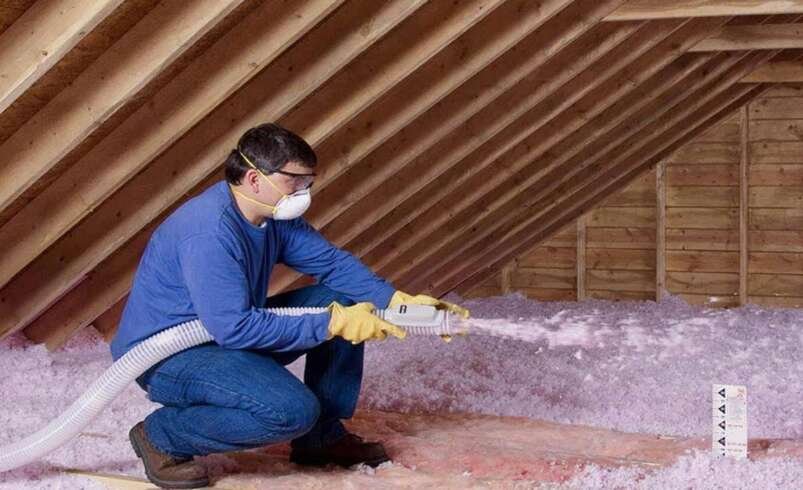
Blown-in insulation is loose-fill material, usually cellulose or fiberglass, that a machine pushes through a long hose into attics and closed wall cavities. Unlike rolled batts, it flows around wiring, ductwork, and the crooked framing that older Carbon County houses are full of, so it fills gaps a batt would bridge badly.
Cellulose is recycled paper treated with borates for fire and pest resistance, and it packs in at roughly R-3.5 per inch. Fiberglass is lighter and doesn’t hold moisture, but it needs more depth to reach the same R-value. Most of Montana sits in a cold climate zone where the Department of Energy suggests R-49 to R-60 in the attic, which works out to about 14 to 17 inches of settled cellulose.
In Fromberg, we’ve noticed that most homeowners assume the attic is fine because some insulation is still up there. Pull back a corner and you often find three or four inches of flattened fiberglass from an era when R-19 passed for plenty. That’s a fraction of what a Montana winter calls for.
Attic work rarely stops at the loose-fill itself. Air sealing, rafter baffles, bath-fan ducting, and sometimes spray foam at rim joists or around chimney chases all belong in the same plan, because each one decides how well the insulation performs.
The Real Challenge in Fromberg: Wind, Deep Cold, and Houses Built Before Energy Codes
Fromberg sits in the Clarks Fork valley, where winter means subzero stretches, steady wind, and big temperature swings from one week to the next. Those swings push air through every gap in the ceiling. Many homes here are ranch-style builds, farmhouses, and older frame houses put up long before anyone talked about air sealing, so heat leaks upward through ceiling penetrations while wind pulls cold air in at the eaves.
Ice dams are the visible symptom. Heat escaping through the ceiling melts the snow on the roof, the meltwater refreezes at the cold eaves, and the backed-up ice pushes water under the shingles. Homeowners usually blame the roof, but the fix often starts underneath it.
Rural attics add a second problem: mice. Loose insulation gives them a warm place to tunnel, and their nesting and droppings can ruin the material over a few seasons.
A client in Fromberg reached out when they noticed frost patches along a north bedroom ceiling and a propane bill that kept climbing. Our crew found about five inches of old fiberglass, a bathroom fan venting straight into the attic, and open gaps around the chimney chase. We sealed those first, added baffles at the eaves, then blew in cellulose to the target depth. By midwinter the frost was gone and the bedroom matched the rest of the house.
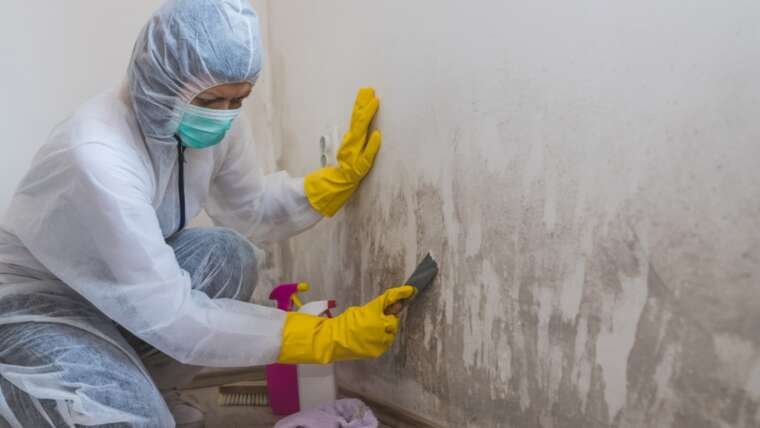
The objection most contractors skip is the obvious one: can new insulation just go over the old? Often yes, if the old layer is dry, clean, and not buried in rodent mess. But if it has been soaked by a roof leak or contaminated by droppings, piling more on top seals the problem in. That’s where blow-in insulation removal services come in: a vacuum rig pulls the old material out, the crew cleans and seals the attic floor, and fresh insulation goes down on a sound base. Vermiculite deserves a separate warning. Sold for decades under the Zonolite name and mined in part in Libby, Montana, it can contain asbestos, so leave it alone until it has been tested.
How Spray Pros Insulation Approaches It Differently
Our process starts with the attic floor rather than the quote. We measure existing depth in several spots, look for moisture stains and droppings, and check how the eaves, bath fans, and recessed lights are handled before any material comes off the truck.
Air sealing comes before depth. A thick blanket over a leaky ceiling is like a heavy coat with the zipper open: warm air still finds the gaps around wiring holes, top plates, the attic hatch, and chimney chases, and it carries moisture into the cold attic. Sealing those first, then adding baffles so wind can’t blow through the insulation at the eaves, does more for comfort than extra inches on top.
Then comes the material. Cellulose suits most Fromberg attics because it fills irregular spaces and resists air movement better than fiberglass at the same depth, though fiberglass makes sense where moisture is a concern. We staple depth markers to the rafters and write the installed depth and R-value on the job sheet, so the number you paid for is the number in your attic.
On the day itself, the crew protects the path to the attic hatch, hoses material up from the truck, and cleans up before leaving. Most single-story homes take a day or less, and you can stay home through it.
Practical Tips: What to Know Before You Decide
Get the numbers in writing: material, installed depth in inches, and the R-value that depth delivers. A quote that says only “blown insulation, whole attic” leaves too much room for a thin job.
Fix water first. If a roof leak, a failed flashing, or an unvented bath fan is feeding moisture into the attic, new insulation will only hide the problem and hold it there. An honest contractor will tell you to repair the source and come back, even though it costs them the job today.
Don’t skip the garage. Garage blow-in insulation in shepherd mt matters most when the garage shares a wall with the house or sits under a bedroom or bonus room. Those cavities are usually closed, so crews dense-pack them through small holes or fabric netting and patch afterward. Working with clients in Fromberg, our team found that the room above an unheated garage is usually the coldest in the house, and homeowners often blame the furnace.
Book before deep winter. Crews in a small market like ours fill up fast once the first hard freeze hits, and attic work goes better in cool, dry weather than during a January cold snap with ice on the roof. Ask your electric or propane supplier whether any efficiency rebates apply, since local programs change from year to year.
Last, protect the ventilation you already have. Soffit vents need clear paths into the attic, and bath fans should duct outdoors rather than dump steam into the insulation. Skipping either one can leave you with damp insulation by February, which defeats the whole purpose.
Conclusion
Most Fromberg attics need less guessing and more measuring. Spray Pros Insulation can look over your attic, tell you honestly what’s up there, and quote blown-in insulation work in Fromberg based on what the house needs, not a standard package. A tape measure and a flashlight on a calm afternoon will already tell you whether you’re close to the depth a Montana winter calls for. If the answer is no, getting a second opinion before the cold really sets in is a sensible next step.
FAQs
How much does blown-in insulation cost in shepherd mt ?
Costs vary with attic size, target R-value, and what’s already up there. Many US attic jobs run roughly $1.50 to $3.50 per square foot, and removal or air sealing adds to that. Get a written quote listing depth, R-value, and material so you can compare bids fairly.
Do I need to remove my old insulation first?
Not always. Dry, clean insulation can usually stay, and new material goes over it. Removal makes sense when the old layer is wet, moldy, soiled by rodents, or packed flat. Vermiculite should be tested for asbestos before anyone disturbs it. A quick attic inspection tells you which situation you’re in.
Will blown-in insulation settle over time?
Yes, a little. Cellulose can settle roughly 10 to 20 percent over the first few years, so a good installer blows extra depth up front. The settled thickness is what counts toward your target R-value, so ask about both numbers. Depth markers stapled to the rafters let you check it yourself.
How do I know an insulation contractor is legit?
Ask for proof of Montana contractor registration and liability insurance, plus references from nearby homes. A reputable installer measures your attic before quoting, explains the plan for air sealing and ventilation, and puts depth and R-value in writing. Be wary of anyone who quotes sight unseen or pushes a same-day deal.
Can you insulate an attached garage with blown-in material?
Yes, and the ceiling under a bedroom or bonus room and the wall shared with the house matter most. Installers fill those closed cavities by blowing material through small holes or fabric netting, then patch. Fire-rated drywall between garage and living space should stay intact.