
A dripping faucet is annoying. A damp cabinet, weak shower pressure, or water stain on the ceiling can be a warning that a much larger plumbing problem is developing behind the walls. For homeowners in Green Hills, TN, knowing what to watch for can help prevent an expensive repair later. The perspective here reflects the practical work of Green Hills Plumbing INC and the kinds of questions local homeowners should ask before approving a repair.
What a Local Water System Service Covers in a Green Hills Home
A home’s water network is more than faucets and toilets. It includes supply pipes, shutoff valves, drains, sewer connections, water heaters, pressure regulators, fixtures, and the connections between them. A problem in one part can create symptoms somewhere else, which is why replacing the visible fixture is not always the right fix.
For a new bathroom, kitchen renovation, addition, or major remodel, Plumbing System Installation in Green Hills, TN should be planned around pipe sizing, fixture demand, drainage, venting, access points, and the existing home’s layout. A poor connection or undersized line may work for a while and then show up as weak flow, slow drainage, or repeated leaks.
In Green Hills, we’ve noticed that most homeowners first call after a symptom becomes disruptive rather than when the early warning appears. A toilet that refills too often, a water meter that moves while every fixture is off, or a small patch of warm flooring can deserve attention before it becomes an emergency.
Good diagnosis starts with the basics. A technician may check water pressure, isolate fixtures, inspect accessible piping, test shutoff valves, and look for moisture around walls, cabinets, ceilings, and mechanical areas. The goal is to identify the source instead of treating only the symptom.
The Real Challenge in Green Hills, TN
Green Hills homes can vary greatly in age, construction, and previous remodeling work. Older properties may have sections of aging pipe alongside newer materials, while remodeled homes can contain pipe changes made at different times. That mix can make a simple-looking leak harder to trace.
Weather also plays a role. Middle Tennessee gets humid summers, heavy rain, and occasional freezing temperatures. Sudden cold can expose vulnerable exterior or poorly protected lines, while heavy rainfall can make drainage and sewer problems more noticeable. Mature landscaping can add another concern because roots may affect buried sewer or water lines over time.
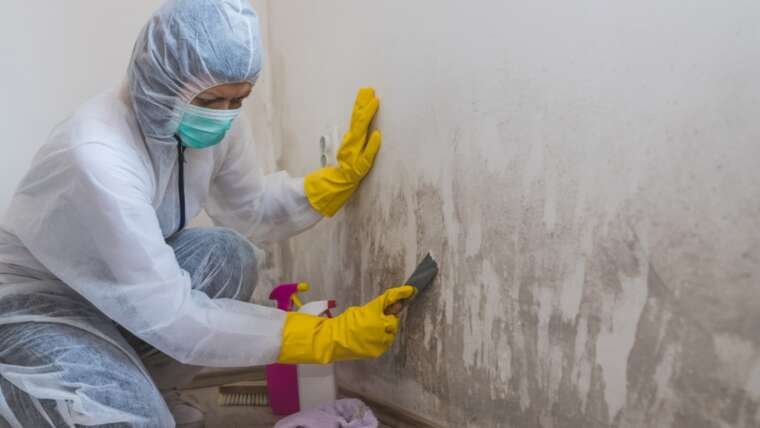
A client in Green Hills reached out after noticing a faint water stain near a bathroom wall. There was no obvious dripping fixture, so the first assumption was that the stain came from a shower connection. Testing showed that the moisture was traveling from a small supply-line leak nearby. Catching it early avoided a much larger section of drywall and flooring being exposed to water.
One objection homeowners often have is simple: “If the pipe is old, do I really need to replace the whole thing?” Not necessarily. The right answer depends on the pipe material, location, condition, leak history, pressure, accessibility, and whether other sections show the same failure pattern. A localized repair can make sense when the surrounding system remains sound.
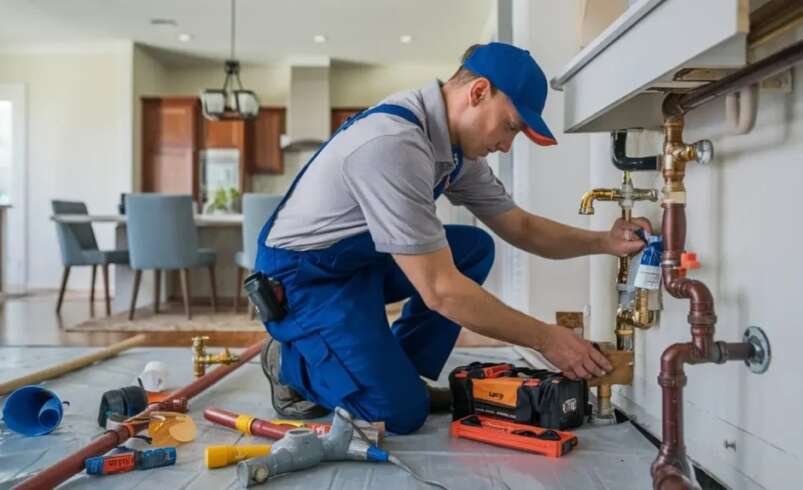
Water Line Repair Services in Green Hills, TN can also raise a responsibility question that deserves a clear answer: is the damaged line on the home’s side of the meter, or is it part of infrastructure maintained by another party? That should be established before digging or approving major work. Checking the meter and shutoff arrangement can help identify where the private system begins, but property-specific responsibility should be confirmed before work starts.
How Green Hills Plumbing INC Approaches Repairs Differently
A careful service visit should follow a diagnostic process rather than begin with a replacement recommendation. The approach centers on finding the failure point, explaining what was found, and matching the repair to the actual condition of the system.
First, the reported symptom is documented. A technician should ask when the problem occurs, whether it is constant or intermittent, and whether other fixtures are affected. Those details can separate a local fixture issue from a pressure, supply, drain, or sewer problem.
Next comes isolation and testing. Depending on the issue, that can include pressure testing, fixture isolation, visual inspection, moisture checks, drain inspection, or camera work for buried lines. The useful part is not the tool itself; it is how the results narrow the possible causes.
The next step is to present repair choices in plain language. For example, a leaking valve may only need replacement, while repeated failures across an aging section of pipe could justify replacing a larger run. Homeowners should understand the reason for each recommendation, the expected service life, and what could happen if the repair is delayed.
A common gap in generic service content is that it talks about services without explaining how a homeowner can judge whether a proposed repair is actually necessary. One practical test is to ask three questions: Where exactly is the failure? What evidence confirms it? What part of the system does the proposed repair address? Clear answers are more useful than a long list of service names.
Another useful distinction is between repair and prevention. Fixing a leak stops current damage, but checking pressure, shutoff valves, aging connections, and nearby piping can reveal conditions that may cause another call later. That extra diagnostic step is especially useful in houses that have undergone several renovations.
Practical Tips: What to Know Before You Decide
Working with clients in Green Hills, our team found that homeowners often get better results when they record the symptom before the technician arrives. Note when the noise starts, which fixtures are affected, whether the water pressure changes, and whether the issue follows heavy rain or a cold night. A short video can also help document an intermittent problem.
Here are several practical checks that can save time:
- Know your main shutoff. Every adult in the household should know where it is and how to close it.
- Check the water meter. Turn off indoor and outdoor water use, then see whether the meter continues to register flow. Movement can indicate a hidden leak, although irrigation systems and other connections should be considered.
- Watch pressure changes. Low pressure throughout the home points to a different problem than weak flow at one faucet.
- Do not ignore recurring clogs. A drain that repeatedly slows down may have a deeper issue than a simple surface blockage.
- Inspect accessible areas. Look under sinks, around water heaters, near toilets, and at exposed pipe joints for corrosion, staining, or moisture.
- Ask about access before approving work. A buried line, finished wall, or slab can affect labor, repair methods, and restoration needs.
One local market tip is to get the diagnosis and scope in writing before agreeing to a larger project. A low initial quote can change if the actual work involves excavation, wall access, pipe replacement, or restoration. Comparing the scope—not just the dollar amount—makes estimates easier to judge.
Homeowners also sometimes assume that a high water bill automatically means a major underground leak. It can, but toilets, irrigation, dripping fixtures, and water-heater issues can produce a surprising amount of wasted water. Start with the simplest explanations and move toward less visible causes if the evidence points there.
Another misconception is that new-looking pipework is automatically problem-free. A recent remodel may contain older lines behind the renovated surfaces, or a new fixture may be connected to an existing system that has never been upgraded. Age should be considered by component, not simply by the date of the last renovation.
Conclusion
A good repair decision starts with an accurate diagnosis, not fear or guesswork. Watch for unexplained water use, changing pressure, recurring drain problems, damp materials, and unusual pipe noises, especially after weather changes. For homeowners needing plumbing service in Green Hills, TN, Green Hills Plumbing INC can be a local option to discuss the symptoms, inspect the system, and determine the next sensible step.
4. FAQs
1. What are the most common pipe and water-system problems in Green Hills homes?
Common issues include leaking fixtures, clogged drains, running toilets, low water pressure, water-heater problems, and aging supply lines. Homes with mixed-age piping may also develop leaks at older connections. A recurring symptom deserves more attention than a one-time minor issue, especially if water damage or pressure changes are present.
2. How much does local water-system service cost in Green Hills, TN?
Cost depends on the diagnosis, access, materials, labor, and whether the work involves a fixture, interior pipe, buried line, or sewer connection. A small valve repair may be relatively simple, while excavation or extensive replacement can cost much more. Ask for a written scope before approving larger work.
3. How do I know a plumber is legitimate and trustworthy?
Check that the contractor can provide applicable licensing information, insurance details, a clear business identity, and a written description of the work. Look for consistent reviews and ask direct questions about diagnosis, warranty, permits when required, and who is responsible for cleanup. Trust should come from verifiable details, not pressure.
4. When should a water line be repaired instead of replaced?
Repair may make sense when the damage is isolated and the surrounding pipe is in good condition. Replacement becomes more reasonable when there are repeated failures, widespread corrosion, poor material condition, or difficult-to-access sections that are likely to fail next. A professional inspection can help compare the two choices.
5. Can low water pressure mean there is a hidden leak?
It can, but low pressure has several possible causes. A partially closed valve, failing pressure regulator, clogged aerator, supply restriction, or utility-side issue can produce similar symptoms. If pressure drops throughout the home or changes suddenly, testing can help separate a hidden leak from another restriction or equipment problem.