
A flooded basement, garage, or lower level can go from a minor nuisance to a costly cleanup in a short time. In Staten Island, NY, heavy rain, drainage problems, sewer backups, and plumbing failures can all leave standing water inside a property. AAA Sewer & Drain sees why quick action matters when homeowners need Floods Pumpouts and water extraction after an unexpected flooding event.
The first goal is simple: remove standing water safely, identify where it came from, and keep additional moisture from spreading into floors, walls, and stored belongings. Waiting for water to disappear on its own can create bigger problems, especially if the water contains sewage or other contaminants.
What Flood Pumpout Service Actually Does
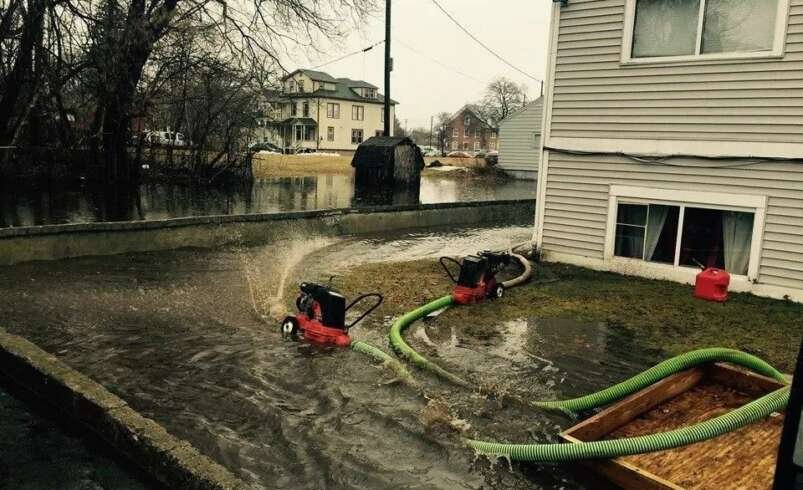
Flood pumpout service is the process of removing standing water from a flooded property with pumps, wet vacuums, extraction equipment, and related drying tools. The work may involve a basement, crawl space, garage, utility room, bathroom, or other low-lying area where water has collected.
The source of the water matters. Rainwater entering through a foundation opening is different from water caused by a sewer backup. A failed sump pump, burst supply line, blocked drain, or overflowing plumbing fixture can also require a different response.
In Staten Island, we’ve noticed that most homeowners initially focus on getting the water out as quickly as possible. That reaction is understandable, but removal is only the first stage. The affected area should also be checked for moisture behind walls, under flooring, around baseboards, and near electrical components.
Professional equipment can move large volumes of water much faster than household tools. Depending on the situation, technicians may use submersible pumps, extraction vacuums, air movers, dehumidifiers, moisture meters, and sanitizing equipment.
For homes affected by sudden flooding, emergency flood pump out services can help reduce the time that standing water remains inside the property.
The Real Flooding Challenge in Staten Island
Staten Island properties can face several sources of unwanted water. Heavy rainfall can overwhelm local drainage, while aging plumbing, sewer backups, blocked exterior drains, and basement drainage issues can add to the problem. Properties with below-grade living or storage areas may be especially vulnerable because water naturally collects in lower spaces.
A client in Staten Island reached out after discovering several inches of water across a basement floor following a heavy rain event. The homeowner first assumed the water had entered through a foundation crack, but the drainage system also showed signs of backup. After the standing water was removed, the affected area still needed drying and inspection before normal use could resume.
That situation highlights an objection homeowners often have: “If the water is pumped out, isn’t the problem finished?”
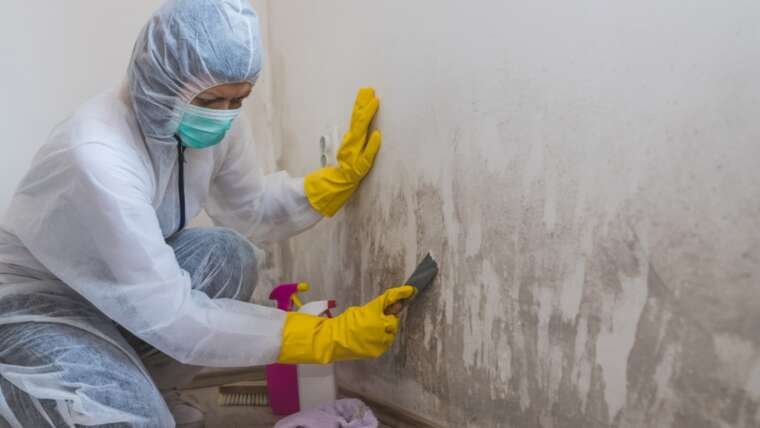
Not necessarily. Pumping removes visible water, but moisture can remain inside flooring, drywall, insulation, wood framing, and other materials. If the source is not identified, another flood can happen later. If contaminated water is involved, cleaning and sanitation also become part of the job.
A residential flood pump out in Staten Island, NY may therefore involve more than simply placing a pump on the floor. The condition of the water, location of the damage, source of the flooding, and materials exposed all affect the next steps.
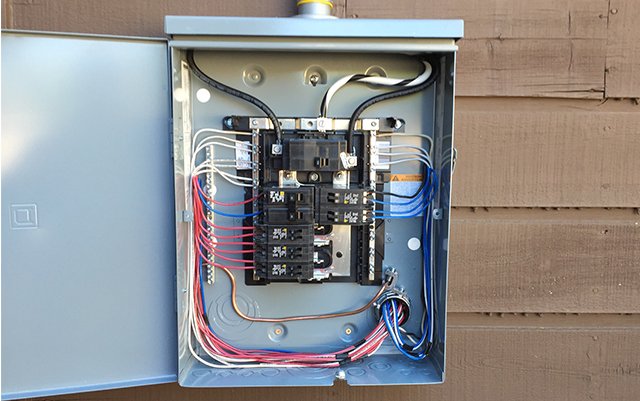
One question that often gets overlooked is whether the water is safe to handle. Homeowners should avoid entering standing water if sewage may be present or if electrical outlets, appliances, wiring, or extension cords could be submerged. Safety should come before cleanup.
How AAA Sewer & Drain Approaches It Differently
AAA Sewer & Drain approaches a flood situation by looking at both the water removal and the drainage problem behind it. A useful first step is an on-site assessment to determine how much water is present, where it has traveled, and what may have caused the flooding.
The basic process can include:
- Assessing the flooded area and identifying potential hazards
- Determining whether the water is clean, contaminated, or sewage-related
- Selecting pumps or extraction equipment based on water volume
- Removing standing water from affected rooms
- Checking drains, sewer lines, and other possible sources
- Extracting remaining moisture where accessible
- Using air movement and dehumidification when needed
- Cleaning and sanitizing areas affected by contaminated water
- Recommending additional plumbing, drain, or sewer work when the source requires repair
A useful difference between basic water removal and a more complete response is source identification. Removing five inches of water today does little good if a blocked drain sends another five inches into the basement next week.
Current local service pages commonly emphasize rapid response, pumps, vacuums, and drying equipment. That information is useful, but homeowners also need to know what happens after the pump is switched off.
Moisture testing, drainage checks, sanitation, and follow-up recommendations deserve equal attention. For sewer-related flooding, video pipe inspection or drain cleaning may also be appropriate when the underlying blockage cannot be identified from the surface.
Practical Tips: What to Know Before You Decide
Working with clients in Staten Island, our team found that homeowners make better decisions when they ask a few basic questions before approving flood cleanup work.
- Ask where the water came from.
A contractor should explain whether the likely source is rainwater, plumbing, drainage, a sewer backup, or another problem. If the source remains unclear, ask what inspection is needed. - Ask what happens after the water is removed.
Pumping is not always the final step. Depending on the materials affected, the property may need air movement, dehumidification, cleaning, sanitation, or moisture checks. - Find out what type of water is involved.
Clean water from a broken supply line presents a different concern than wastewater or sewage. The latter requires greater care because contaminants can remain on surfaces after visible water is gone. - Do not rely on a household wet/dry vacuum for major flooding.
Small spills may be manageable, but several inches of standing water can require equipment designed for high-volume extraction. - Protect electrical safety first.
Do not enter a flooded room if electrical equipment or outlets may be underwater. Shut off power only if it can be done safely and according to professional guidance. - Take photos before major cleanup when safe.
Pictures of standing water, damaged materials, and the apparent source may help with insurance documentation. Keep records of dates, affected rooms, and cleanup work. - Consider the local drainage pattern.
A useful Staten Island tip is to pay attention to where exterior water collects during heavy rain. Repeated basement flooding may point to a drainage, grading, sump, sewer, or foundation issue rather than a one-time event.
The goal should not be to remove water quickly and forget about it. The better approach is to remove it safely, understand why it arrived, and reduce the chance of another incident.
When Fast Water Removal Becomes the Right Move
Flooding becomes more urgent when water continues entering the property, reaches electrical systems, contains sewage, affects finished flooring or drywall, or remains standing for an extended period.
Homeowners should also pay attention to odor, discoloration, damp walls, bubbling flooring, and unusually high indoor humidity after the visible water has disappeared. These signs can indicate that moisture remains in areas that are not easy to see.
For smaller incidents, the response may be relatively simple. Larger events can involve several connected services, such as drain cleaning, sewer inspection, water extraction, sanitation, basement cleanup, or repairs to the original plumbing problem.
The right service depends on the cause and condition of the property rather than the amount of water alone. A shallow area of contaminated water can require more care than a deeper amount of clean rainwater.
For Staten Island homeowners, acting early also makes it easier to document the incident and determine which repairs are necessary. If water is still entering the property, the source should be addressed before the cleanup is considered finished.
Conclusion
Standing water should never be treated as just a cosmetic problem. Quick extraction, source identification, moisture control, and appropriate sanitation can help limit damage and reduce health and structural concerns. For Floods Pumpouts in Staten Island, NY, AAA Sewer & Drain can assess the situation and help determine the appropriate next step. If your property is actively flooding, prioritize safety and arrange professional water removal as soon as practical.
FAQs
What causes basement flooding in Staten Island?
Basement flooding can result from heavy rain, sewer backups, blocked drains, failed sump pumps, foundation openings, burst pipes, or drainage problems. The cause is not always obvious from the standing water alone. A proper assessment should consider both the immediate water source and conditions that could allow the same problem to happen again.
How much does flood pumpout service cost?
There is no single price because the cost depends on water volume, affected square footage, contamination level, accessibility, equipment required, and cleanup needs. A small clean-water incident may cost less than a sewage backup affecting a finished basement. Ask for a clear estimate covering extraction and any additional cleanup work.
How do I know a flood cleanup company is legitimate?
Check that the provider can clearly explain its services, business identity, insurance or licensing where applicable, and cleanup process. Look for consistent contact information and genuine customer feedback. A trustworthy contractor should also explain what caused the flooding, what equipment is needed, and what work is included rather than making vague promises.
How quickly should standing floodwater be removed?
Standing water should be addressed as soon as it is safe to do so, particularly when sewage, contaminated water, electrical hazards, or finished building materials are involved. Delays can allow moisture to spread into flooring, drywall, insulation, and wood. If the water is actively entering the property, address the source as quickly as possible.
5. Does pumping out floodwater prevent mold?
Pumping removes standing water but does not automatically eliminate moisture trapped in porous materials. Drying may require air movers, dehumidification, moisture checks, and removal of materials that cannot be adequately dried. Mold risk depends on moisture, temperature, materials, and how long they remain damp, so drying should follow extraction.