


Introduction
Daily movement can become challenging when pain, stiffness, weakness, or an injury begins affecting the way the body functions. Simple activities such as getting dressed, walking through the house, climbing stairs, carrying groceries, or getting into a vehicle may suddenly require more effort than before.
Physical therapy can provide a structured way to address these challenges by focusing on movement, strength, flexibility, balance, and physical function. Treatment can be adjusted according to an individual’s condition, current abilities, daily responsibilities, and personal goals.
For people searching for Physical Therapy in Aurora IL, understanding how rehabilitation connects with everyday activities can make the process easier to approach. The goal is not simply to perform exercises during an appointment but to develop physical abilities that can support normal life outside the clinic.
Identifying the Movement Challenges That Affect Daily Life
A person may notice pain in one area without realizing that other movement limitations are contributing to the problem. For example, knee discomfort may change the way someone walks, while limited hip mobility or reduced leg strength may make certain movements even more difficult.
A physical therapy evaluation can look at how different parts of the body work together. Strength, flexibility, range of motion, balance, coordination, posture, and functional movement may all be considered when determining what could be affecting daily activities.
This broader perspective can help create a rehabilitation plan based on more than the location of discomfort. Understanding how the body moves as a whole can make treatment more relevant to the activities a person wants to perform.
Building Functional Strength for Everyday Tasks
Strength is important even for people who do not consider themselves athletic. Standing from a chair, carrying household items, walking for longer periods, using stairs, and maintaining stability all require adequate muscular strength and control.
Following an injury, surgery, or extended period of inactivity, muscles may become weaker. This can make familiar activities feel tiring or uncomfortable.
Physical therapy can introduce progressive strengthening exercises based on the person’s current level of ability. Early exercises may involve simple controlled movements, while later exercises can become more challenging as strength and tolerance improve.
The purpose is not simply to make muscles stronger in isolation. Functional strength should help the person perform useful movements with greater control and confidence.
Improving Mobility for More Comfortable Movement
Restricted mobility can influence many everyday activities. Stiffness in the hips, ankles, shoulders, or spine may make walking, reaching, bending, dressing, or changing positions more difficult.
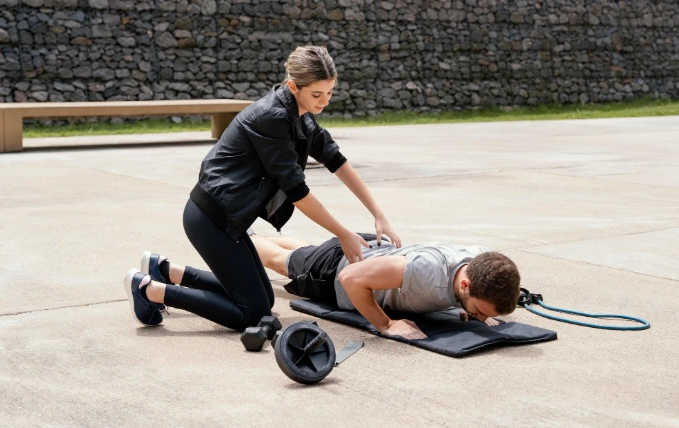
Physical therapy may incorporate mobility exercises, stretching, active movement, and appropriate hands-on techniques to help address these limitations.
However, mobility work should be appropriate for the individual’s condition. The objective is not to force movement but to gradually improve useful range of motion while respecting the body’s current tolerance.
For someone considering Physical Therapy in Aurora IL, an individualized approach can help determine which mobility limitations are most relevant to their daily goals.
Connecting Rehabilitation With Real-Life Activities
Rehabilitation becomes more meaningful when improvements relate directly to what a person wants to do. Someone recovering from a lower-body injury may want to walk around a shopping center comfortably. Another person may need enough strength to manage household responsibilities or return to a physically demanding job.
These goals can influence the direction of treatment.
Instead of measuring progress only by how many repetitions someone can complete, functional improvement can also be considered. Is walking easier? Is getting out of a chair more comfortable? Can the person reach, bend, lift, or climb stairs with better control?
At Physical Therapy Advantage, keeping rehabilitation connected to practical goals can help give each part of treatment a clear purpose.
Supporting Recovery After an Injury
An injury can affect more than physical ability. It can also make people hesitant to trust their bodies again.
Someone who previously walked, exercised, worked, or participated in hobbies without thinking about movement may become cautious after experiencing pain or an injury.
A gradual rehabilitation program can help rebuild both physical capacity and confidence. Depending on the individual’s needs, treatment may include strengthening, mobility work, balance activities, movement education, and progressive return to normal activities.
The goal is to improve the body’s ability to handle everyday demands without rushing through stages of recovery.
Improving Balance and Movement Control
Balance is an important part of everyday mobility. Walking on uneven surfaces, changing direction, stepping over objects, using stairs, or moving from sitting to standing all require coordination and body control.
Weakness or an injury can affect these abilities. Some people may begin avoiding certain activities because they feel uncertain or unstable.
Physical therapy can incorporate balance and coordination exercises when appropriate. These activities can help individuals practice controlling their movements in a safe and progressive way.
Improved balance may also make everyday movement feel less intimidating, particularly for people who have become cautious after an injury or period of reduced activity.
Developing Better Movement Habits
Physical therapy can provide an opportunity to learn more about how everyday movement affects the body. Habits involving sitting, lifting, walking, repetitive work, and activity levels can all influence how a person feels over time.
This does not mean every movement needs to be perfect. Instead, people can learn how to vary positions, use appropriate movement strategies, build physical capacity, and recognize when an activity may need to be modified.
These lessons can remain useful after formal therapy ends.
For individuals researching Physical Therapy in Aurora IL, considering whether treatment includes education and practical movement guidance can be just as important as looking at the exercises themselves.
Making Progress Outside the Treatment Setting
Progress during therapy can be reinforced by appropriate activities at home. Home exercises may help maintain improvements in strength, mobility, balance, or coordination between appointments.
Consistency is often more useful than trying to do too much at once. A manageable routine that can realistically fit into someone’s schedule may be easier to maintain than an overly complicated program.
Activity can also be adjusted as abilities change. Exercises that were challenging early in recovery may eventually become easier, creating an opportunity for gradual progression.
This helps rehabilitation become part of a person’s normal routine rather than something that exists only during scheduled appointments.
Supporting Different Movement Goals
People seek physical therapy for many different reasons. One person may want to recover after surgery, another may be dealing with an injury, while someone else may want to improve mobility and return to regular exercise.
Work responsibilities can also influence rehabilitation goals. Someone who spends most of the day sitting may have different needs from someone who stands, walks, lifts, or performs repetitive physical tasks throughout the day.
Because these situations are different, rehabilitation should be shaped around the individual’s circumstances.
A useful treatment plan considers not only what the person is experiencing now but also what they need to be able to do as recovery progresses.
Building Long-Term Physical Confidence
Physical improvement can create a positive change in how someone approaches movement. When an activity becomes easier, people may feel more comfortable participating in it again.
A person who once avoided stairs may gradually become more willing to use them. Someone who stopped exercising may begin returning to physical activity. Another individual may feel more confident walking longer distances or completing household tasks.
These improvements can encourage greater participation in everyday life.
For people searching for Physical Therapy in Aurora IL, this broader perspective can be valuable because successful rehabilitation is not only about reducing limitations. It is also about helping people feel more capable of using their bodies.
Choosing a Rehabilitation Approach That Fits Your Needs
Choosing physical therapy should involve more than simply selecting the closest location. It can be helpful to consider whether the treatment approach is individualized, whether movement is evaluated carefully, and whether the rehabilitation plan connects with the activities that matter to you.
Clear communication can also make treatment easier to understand. Knowing why an exercise is being performed and how it relates to a specific goal can make participation more meaningful.
At Physical Therapy Advantage, an individualized approach can keep rehabilitation focused on practical movement, functional improvement, and the goals that matter in everyday life.
Conclusion
Improving daily movement often involves more than addressing one painful area. Strength, mobility, balance, coordination, confidence, and movement habits can all influence how comfortably a person handles normal activities.
For people searching for Physical Therapy in Aurora IL, a thoughtful rehabilitation approach can provide a path toward improving these abilities while keeping treatment connected to real-life goals.
At Physical Therapy Advantage, the focus can remain on helping individuals build useful movement skills and physical confidence through gradual, purposeful rehabilitation. Whether the goal is returning to work, managing household activities, becoming more active, or simply moving through the day with greater comfort, developing a stronger physical foundation can make everyday life more manageable.