
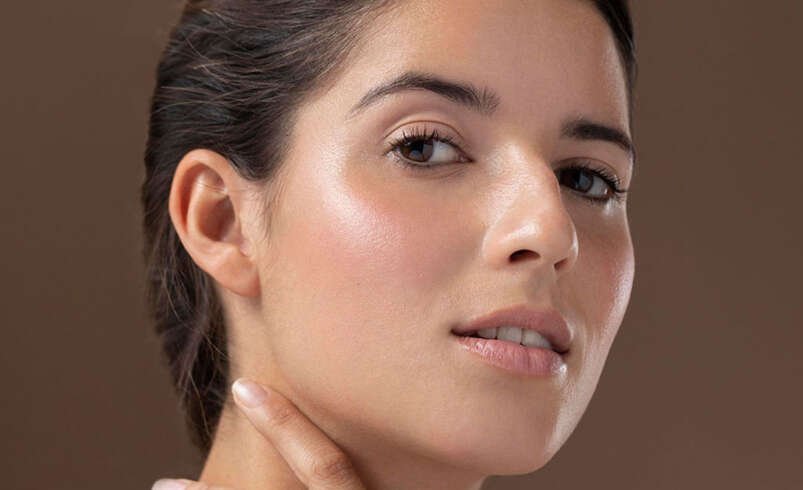

As people look for ways to improve skin firmness and facial definition, minimally invasive aesthetic treatments have become an increasingly considered option. Endolift is one such treatment, using laser energy delivered beneath the skin to target selected areas and support tissue tightening and remodelling.
For anyone researching Endolift in London, one of the most important questions is which areas can actually be treated. Endolift is not limited to one facial feature. Depending on the individual’s anatomy, skin laxity and treatment goals, practitioners may consider several areas of the face and body.
Understanding the possible treatment areas can help you prepare for a consultation and have a clearer idea of what the procedure is designed to achieve. This guide explains the areas commonly considered for Endolift, how treatment planning works and what you should know before arranging an appointment.
What Is Endolift?
Endolift is a minimally invasive laser-based aesthetic treatment designed to address selected areas of skin laxity and improve definition.
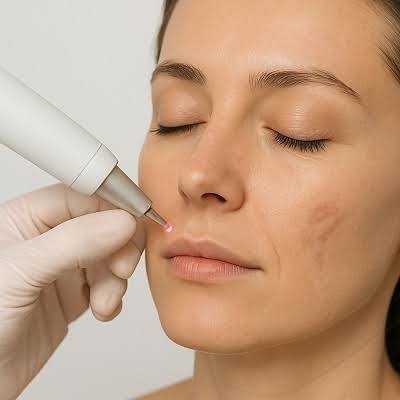
The technique involves introducing a very fine fibre beneath the skin. Laser energy is then delivered to targeted tissues.
Depending on the treatment plan, the energy can be used to encourage tissue tightening and stimulate processes associated with collagen remodelling. The treatment can also be used to address selected areas where localised fat may contribute to a less defined contour.
The exact technique and treatment settings depend on the area being treated and the patient’s individual anatomy.
How Does Endolift Work?
Endolift works by delivering controlled laser energy beneath the skin through a fine fibre.
The energy can interact with targeted tissues and support a process of tissue contraction and remodelling. It may also be used in areas where reducing small localised fat deposits is part of the treatment objective.
Unlike traditional surgical procedures, Endolift does not involve a large incision. Instead, the fibre is introduced through very small entry points.
The practitioner determines the treatment pattern according to the patient’s skin condition and desired outcome.
Who May Consider Endolift?
Endolift may be considered by adults who are concerned about mild to moderate skin laxity, reduced definition or selected areas of localised fullness.
It can be particularly relevant for people who want to explore a minimally invasive approach rather than traditional surgery.
However, suitability varies from person to person. The condition of the skin, amount of laxity, facial structure and treatment goals all influence whether Endolift is appropriate.
A consultation with an experienced practitioner is therefore an essential first step.
Which Areas Can Benefit From Endolift?
The areas that may be considered for Endolift Skin Tightening London vary according to the individual’s needs.
Commonly discussed areas include the lower face, jawline, chin and neck. Some practitioners may also consider other selected facial or body areas.
The precise treatment area should always be determined through an individual assessment.
Lower Face
The lower face is one of the areas that may be considered for Endolift treatment.
Changes in skin firmness around the lower cheeks and jaw can affect facial definition. Endolift may be used to target selected tissues beneath the skin in this region.
The practitioner can assess the degree of laxity and determine whether treatment may help improve the appearance of the lower facial contour.
Rather than treating the entire lower face in the same way, treatment can be mapped according to individual anatomy.
Jawline
A clearly defined jawline is an important part of facial proportions. As skin laxity develops, the transition between the lower face and neck may become less distinct.
Endolift may be considered for selected patients who want to improve the appearance of jawline definition.
The treatment can target tissues beneath the skin along carefully selected areas of the jawline.
The practitioner will assess the existing contour before determining where the laser fibre should be positioned.
Double Chin and Submental Area
The area beneath the chin, known as the submental region, is another area that may be considered for Endolift.
A combination of skin laxity and localised fat can sometimes affect the appearance of the chin and neck profile.
Depending on the individual’s anatomy, Endolift may be used to target selected tissue in this region with the aim of improving contour and supporting skin tightening.
The suitability of treatment depends on the amount of tissue present and the degree of skin laxity.
Chin
The chin can be assessed as part of an Endolift treatment plan, particularly when the area beneath or around the chin contributes to reduced facial definition.
Treatment planning takes the relationship between the chin, jawline and neck into account.
Rather than looking at the chin as an isolated feature, the practitioner may assess the entire lower facial profile to determine where treatment could be considered.
Neck
The neck is another area that may benefit from Endolift treatment in appropriately selected patients.
Skin laxity can become more noticeable around the neck as the skin’s elasticity changes over time. This may affect the definition between the jawline and neck.
Endolift can be used to deliver laser energy to selected areas beneath the skin.
The treatment plan depends on the individual’s skin condition, anatomy and desired outcome.
Cheek Area
Selected areas of the cheek may also be considered for Endolift, depending on the individual’s facial structure and treatment goals.
The objective may involve supporting skin firmness or improving the definition of a particular facial contour.
However, not every cheek concern is necessarily suitable for Endolift. A consultation allows the practitioner to determine whether the treatment is appropriate or whether another approach would better match the patient’s goals.
Lower Cheeks and Jowls
Jowling is often associated with changes in skin elasticity and the underlying tissues around the lower face.
For selected patients, Endolift may be considered to address the appearance of the lower cheeks and jowl area.
The practitioner assesses the position of the jowls and surrounding structures before planning treatment.
The treatment may focus on specific areas rather than applying the same technique across the entire lower face.
Around the Mouth
In certain cases, the areas around the mouth may be considered as part of a broader facial treatment plan.
However, this region contains several muscles and delicate anatomical structures, so treatment needs to be carefully planned.
Whether Endolift is suitable for a particular concern around the mouth depends on the nature of the skin changes and the patient’s overall facial anatomy.
Body Areas
Although Endolift is often associated with facial treatments, the technology can also be considered for selected areas of the body.
Treatment may be discussed for areas where localised tissue and skin laxity are contributing to the appearance of a contour.
The exact body areas treated depend on the practitioner, equipment, treatment protocol and individual circumstances.
A consultation is necessary to establish whether Endolift is appropriate for a particular body area.
How Is the Treatment Area Selected?
The treatment area is not selected solely based on where visible laxity appears.
Your practitioner may consider skin quality, tissue thickness, localised fat, facial proportions and the overall contour of the area.
For example, someone concerned about a less defined jawline may actually have a combination of skin laxity and submental fullness. The treatment plan may therefore involve assessing both the jawline and area beneath the chin.
This comprehensive approach helps create an individualised treatment plan.
What Happens During an Endolift Consultation?
A consultation usually begins with a discussion about your concerns and what you would like to achieve.
The practitioner examines the treatment area and assesses skin laxity, tissue distribution and facial or body contours.
They can then explain whether Endolift may be suitable and identify the areas that could potentially be treated.
You can also ask questions about the procedure, treatment duration, recovery and expected development of results.
How Is Endolift Performed?
During Endolift treatment, a very fine fibre is introduced beneath the skin through a small entry point.
Laser energy is then delivered to carefully selected tissues.
The practitioner controls the direction and energy according to the treatment plan and the anatomical characteristics of the area.
The procedure is performed without the larger incisions associated with traditional surgical lifting procedures.
How Long Does Endolift Treatment Take?
Treatment time varies depending on the size and number of areas being addressed.
A small facial area may require less time than a treatment involving the jawline, chin and neck together.
Your practitioner can provide an estimated appointment length during the consultation.
If several areas are being considered, the treatment plan will determine the overall duration.
When Do Endolift Results Develop?
Endolift results can develop progressively rather than appearing as one immediate change.
Some effects may be noticeable following treatment, while further changes can develop as the tissues respond and collagen remodelling takes place.
The timeline varies between individuals and depends on the treatment area and the extent of the changes being addressed.
Your practitioner can explain what you may expect during the different stages following treatment.
How Long Can Results Last?
Endolift results can vary from person to person.
Factors such as age, skin quality, lifestyle, the treatment area and the degree of skin laxity can influence how long the effects remain noticeable.
The natural ageing process continues after treatment, meaning that skin changes can develop over time.
During your consultation, the practitioner can discuss the expected longevity of results and whether future maintenance treatments may be considered.
What Should You Expect After Treatment?
Following Endolift in London, your practitioner will provide specific aftercare instructions.
The treated area may require a period of settling as the tissues respond to the procedure.
Your practitioner will explain how to care for the area and when normal skincare or activities can be resumed.
It is important to follow the clinic’s individual recommendations because aftercare can vary depending on the area treated and the treatment approach.
Endolift Compared With Surgical Facelift Procedures
Endolift and surgical facelift procedures are different approaches to facial rejuvenation.
A facelift involves surgery and is designed to reposition and remove selected tissues through surgical techniques. Endolift is minimally invasive and uses a fine laser fibre beneath the skin.
The appropriate option depends on the degree of skin laxity and the patient’s desired outcome.
People with significant tissue laxity may require a different approach from someone seeking a minimally invasive treatment for selected areas.
A consultation can help determine which options are relevant to your circumstances.
Can Endolift Be Combined With Other Treatments?
Some patients may have more than one aesthetic concern, such as skin laxity combined with changes in facial volume or skin texture.
Depending on the individual, Endolift may form part of a broader aesthetic treatment plan.
However, treatments should not automatically be combined simply because they are available. Your practitioner can assess your facial structure and determine whether additional treatments are appropriate.
Why Individual Treatment Planning Matters
Everyone’s facial structure is different.
The position of the jawline, amount of submental tissue, skin elasticity and distribution of facial fat all influence how a treatment should be planned.
A personalised approach allows the practitioner to focus on the specific areas contributing to your concern.
This can be particularly important when treating the lower face because the jawline, chin and neck are closely connected visually.
Choosing an Endolift Clinic in London
When considering Endolift Clinic in London options, it is important to choose a clinic that provides a detailed consultation and individual treatment planning.
Bodyvie Clinic offers aesthetic treatment services for patients interested in minimally invasive skin-tightening procedures.
When researching clinics, consider practitioner qualifications, experience with Endolift technology, the consultation process and the information provided about treatment and aftercare.
A thorough consultation should give you a clear understanding of which areas can be treated and what the procedure is designed to achieve.
What Should You Ask Before Endolift?
Before treatment, consider asking your practitioner which areas they recommend treating and why.
You can also ask about the type of Endolift treatment being proposed, the estimated appointment duration and how the results are expected to develop.
It can be useful to discuss whether one area or several areas should be treated and whether maintenance sessions may be appropriate.
Having these questions answered can help you make a more informed decision.
Conclusion
Endolift in London can be considered for several areas where skin laxity, reduced definition or selected localised fullness affects facial or body contours. Common treatment areas include the lower face, jawline, chin, submental area and neck, while other areas may be considered depending on individual anatomy and the practitioner’s treatment protocol.
The treatment uses a fine laser fibre beneath the skin to deliver controlled energy to targeted tissues. Results can develop progressively as the treated tissues respond and collagen remodelling occurs.
If you are considering Endolift Skin Tightening London, a consultation with an experienced practitioner can help determine whether the treatment is suitable for your concerns and which areas may benefit. Choosing an established Endolift Clinic in London, such as Bodyvie Clinic, can also provide an opportunity to discuss your goals and develop an individual treatment plan.
FAQs
Which areas can be treated with Endolift?
Commonly considered areas include the lower face, jawline, chin, submental region and neck. Other areas may be suitable depending on the individual and the treatment protocol.
Can Endolift treat the jawline?
Yes. Endolift may be considered for selected patients who want to improve the appearance of jawline definition and address localised skin laxity.
Can Endolift be used for a double chin?
The submental area beneath the chin can be considered for Endolift in appropriately selected patients, particularly where skin laxity and localised fullness contribute to the appearance.
Can Endolift treat the neck?
Yes. Endolift may be considered for selected neck concerns involving skin laxity and reduced definition.
Can Endolift be used on the cheeks?
Selected cheek areas may be considered depending on the patient’s facial structure and treatment objectives. A consultation is needed to determine suitability.
Can Endolift treat jowls?
Endolift may be considered for selected patients with lower-face laxity and jowling. The practitioner will assess the jowl area and surrounding facial structures before recommending treatment.
Is Endolift a surgical facelift?
No. Endolift is a minimally invasive laser treatment, while a surgical facelift involves surgical incisions and repositioning of tissues.
How long does Endolift treatment take?
The duration depends on the number and size of areas being treated. Your practitioner can provide an estimated treatment time during your consultation.
When will I see Endolift results?
Results can develop progressively. Some changes may be noticeable after treatment, while further improvement can develop as the tissues respond over time.
How long do Endolift results last?
The duration varies between individuals and depends on factors such as skin quality, age, lifestyle and the treatment area. Your practitioner can discuss expected longevity during consultation.
How do I choose an Endolift clinic in London?
Look for a clinic with appropriately qualified practitioners, experience with Endolift, detailed consultations, individualised treatment plans and clear aftercare guidance.
Where can I have Endolift in London?
If you are considering Endolift in London, you can arrange a consultation with an Endolift Clinic in London, such as Bodyvie Clinic, to discuss your concerns and determine which treatment areas may be suitable.