

Guiding your daily meals can feel incredibly difficult immediately after oral surgery. Your raw extraction sites require time to heal safely, making soft, easy-to-swallow foods the safest starting point. Prioritizing these gentle options rather than crunchy, spicy, sticky, and chewy foods is incredibly important once you choose a trusted remove wisdom teeth dentist for your procedure. Eating appropriately prevents complications, though individual recovery varies based on extraction complexity.
This comprehensive guide provides you with information regarding the essential dietary dos and don’ts after surgery.
What is wisdom tooth extraction?
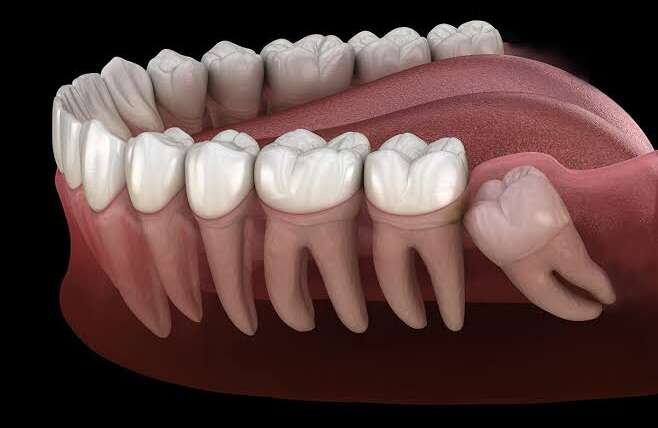
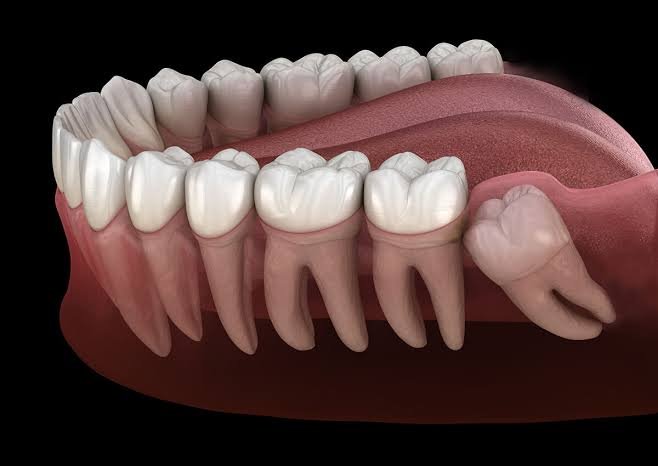
Extraction of wisdom teeth is one of the most frequent surgical procedures to remove one or several of four back teeth, namely, the third molars. It is carried out in case these teeth cause pain, get stuck, decay, or stay hidden under the gums and bones (impacted).
Reasons for Having This Procedure
- Impacted teeth: When the teeth do not fit into the jaw and grow normally.
- Pain and inflammation: If the teeth press on the other teeth or when the gums become sore.
- Infections and decay: Sometimes the areas cannot be reached, and food can get stuck there.
- Cyst: When the fluid builds up around the tooth that was not noticed.
What Is Done During the Procedure?
- Anesthesia: A local anesthetic is used by the dentist or the oral surgeon to anesthetize the area.
- Access: The doctor opens the gums and removes any bone that has built up in the area that is blocking access.
- Removal: This may need to be done in smaller pieces so the tooth can be safely removed.
- Closing: Clean and stitch the site closed and apply gauze to prevent bleeding.
Recovery and Healing
- The healing time is approximately 2 weeks.
- Little swelling and tenderness, and some bleeding, are normal for the first day or two.
- Rest properly, use ice packs on face, and eat soft foods are some of the guidelines for proper care.
What Foods Can Be Consumed after Extraction of Wisdom Teeth?
After the procedure is done, it is recommended that you eat soft, cold, or lukewarm foods within 24-48 hours. Foods such as yogurt, applesauce, pureed soups, mashed potatoes, broths, scrambled eggs, pudding, or smoothies can be consumed, but you cannot drink through a straw. Avoid hot, spicy, chewy, and crunchy foods.
First 24 hours: Eat pureed foods and liquids.
- You can have pureed soups or broth, whether cold or warm.
- Yogurt – smooth or Greek
- Applesauce
- Smoothies (consume with a spoon and not a straw)
- Ice cream and pudding without nuts or chunks
2nd to 3rd Days: Soft and Warm Foods
- Mashed potatoes or sweet potatoes
- Soft scrambled eggs
- Oatmeal that is instant or well cooked
- Soft-cooked pasta or noodles
- Avocado or bananas that are mashed
4th to 7th Days: Moving Toward Soft Solids
- Flaky, soft fish such as salmon
- Vegetables that are well cooked and mashed soft
- Soft-cooked rice or risotto
- Chicken, meatloaf or meatballs that are shredded and slow-cooked
- Tofu or cottage cheese
What Foods Should You Avoid After Wisdom Teeth Removal?
Eating unsuitable food products after your treatment may disrupt the sutures; this will allow bacteria into your system or remove the healing clot, which causes a painful condition known as dry socket.
Avoid the following types of foods during your wisdom teeth removal recovery:
- Hard and Crispy Foods: Potato chips, nuts, popcorn, crackers, and veggies will break into pieces that are easy to lodge near the extraction site.
- Spicy and Hot Foods: Very spicy foods, citric fruits, and hot drinks may irritate the operated area and cause more bleeding or pain.
- Chewy and Gooey Foods: Hard meat, jerky, taffy, and caramel involve exerting muscle force that may irritate your wounds and remove the sutures.
- Straws, Smoking, and Alcoholic Drinks: These should be totally avoided to prevent dislodgment of your healing blood clot.
- Small Seeds and Grains: These consist of rice, quinoa, and poppy seeds and can easily lodge themselves into your healing area.
When Can You Eat After Wisdom Teeth Removal?
You can usually start drinking cool beverages once you get back home; however, it will be best to start eating soft foods only once your local anesthetic effects wear off. The danger associated with eating during this period is quite serious – you can easily bite yourself by accident, because the mouth area will not feel any sensations.
Eating Plan
- The First 24 Hours: Your priority should be cool beverages and very soft foods like plain yogurt, smooth applesauce, mashed potatoes, or lukewarm pureed soups.
- 2–3 Days: You may try eating soft foods that do not need much chewing, like scrambled eggs, oatmeal, soft pasta, and mashed bananas.
- 4–7 Days: Solid food may be gradually added to your meals.
- 8–14 Days: The majority of patients may return to their usual eating habits.
Wisdom Teeth Removal Care Tips for a Smoother Recovery
A comfortable period for recovery involves balancing light foods with good daily habits as outlined below:
- Rest Well: Do not indulge in strenuous activities or lifting heavy items to ensure that you maintain normal blood pressure.
- For Swelling: Apply an ice pack or even a cold compress to your jaw for 20 minutes, then take it off for 20 minutes, in the initial 48 hours.
- Oral Hygiene: It is recommended that you do not clean the exposed area on the first day. On the 2nd day, rinse your mouth with warm salty water after you eat your food, but without spitting hard.
When is it Time for a Dental Checkup?
While some discomfort is normal, the following signs are a problem and should be brought to the attention of the surgical team immediately:
- Excessive pain that is increasing in intensity despite taking your medication.
- Bleeding that does not stop after applying pressure to the area with clean gauze between the teeth.
- Increasing swelling of the face beyond 3 days after the procedures, and a high fever.
- An unpleasant odor, foul breath, or pus draining from the tooth extraction site.
If you have faced these issues, then consult the Beach Cities Dental Group experts. Our advanced restorative options, local anesthesia, and customization of sedation, all here in Oxnard, CA.
Conclusion
When it comes to constant pain, swelling, or worries about your wisdom teeth, a professional dental evaluation can help you determine what you should do.
If you’re experiencing excessive tooth pain or considering wisdom teeth removal, the team at Beach Cities Dental Group can evaluate your wisdom teeth and recommend the appropriate treatment. Give our Oxnard dentist a call right now if you have any questions or want to make a pleasant appointment.
FAQs:
How long is recovery from wisdom teeth removal?
The recovery period lasts 3-7 days after wisdom teeth removal, and in 3-5 days after extraction, you will be able to resume studies and work. For gum and bone tissue to heal completely, it takes 1-2 weeks or sometimes even several weeks in case of complicated impacted wisdom teeth.
How long does pain last after wisdom teeth are pulled?
The pain is usually mild and goes away in 3 to 5 days and can be treated with pain relievers that are available over the counter from your dentist.
What type of dentist removes wisdom teeth?
Sometimes, extractions are performed by general dentists, and sometimes by an oral surgeon if it is a complex or deeply impacted extraction.
Do You Need to Have Your Wisdom Teeth Removed?
There are no set rules for removing wisdom teeth. If your wisdom teeth grow in a straight position and easily fit in your mouth without causing any discomfort or pain, and are also easy to brush and floss, then there is no need to remove them.