
Sports and physical activities help people stay active, build strength, and maintain overall fitness. However, training too intensely, repeating the same movements, or experiencing a sudden impact can lead to injuries that interfere with performance and everyday life. Sports injury physical therapy can help athletes and active individuals understand their limitations, restore physical function, and work toward returning to their preferred activities safely.
Northern Colorado Spine and Sport emphasizes personalized physical therapy based on each patient’s injury, physical abilities, and recovery goals. Treatment may include therapeutic exercise, manual therapy, movement training, and other appropriate techniques. Whether you are managing a recent injury or dealing with persistent discomfort from repetitive activity, understanding the rehabilitation process can help you make informed decisions about your care.
What Is Sports Injury Physical Therapy?
Sports injury physical therapy focuses on assessing and treating movement-related problems that affect athletes and physically active people. A physical therapist evaluates symptoms, strength, flexibility, balance, joint mobility, and movement patterns to identify factors that may contribute to an injury. This assessment helps guide a treatment plan suited to the patient’s needs and activity level.
People seeking sports injury physical therapy may be recovering from a sprain, muscle strain, tendon irritation, or another musculoskeletal condition. Treatment is not limited to reducing discomfort. It may also address strength deficits, coordination, movement control, and the physical demands of a person’s sport or recreational activity.
Common Sports Injuries That May Require Rehabilitation
Sports injuries can occur during training, competition, recreational exercise, or everyday physical activities. Common examples include ankle sprains, hamstring strains, knee injuries, shoulder problems, and muscle strains involving the back or hips. Some injuries develop suddenly, while others appear gradually because of repetitive loading or insufficient recovery between activities.
The appropriate treatment depends on the type and severity of the injury. A physical therapist can assess movement limitations and help determine whether rehabilitation is suitable or whether medical evaluation is needed first. Severe swelling, an obvious deformity, an inability to bear weight, or sudden significant weakness may require prompt medical attention.
How Physical Therapy Supports Sports Recovery
Recovering from an injury often requires a gradual approach that balances movement, strengthening, and appropriate rest. A physical therapist may begin with exercises that support comfortable mobility before introducing activities that develop strength, endurance, and coordination. The progression depends on the injury, symptoms, and the patient’s response to rehabilitation.
A structured program can also help patients understand how to manage physical demands during recovery. Instead of returning immediately to intense training, individuals may gradually rebuild their capacity for running, jumping, lifting, or sport-specific movements. The aim is to support functional progress while reducing the risk of aggravating the injury.
The Importance of an Individualized Rehabilitation Plan
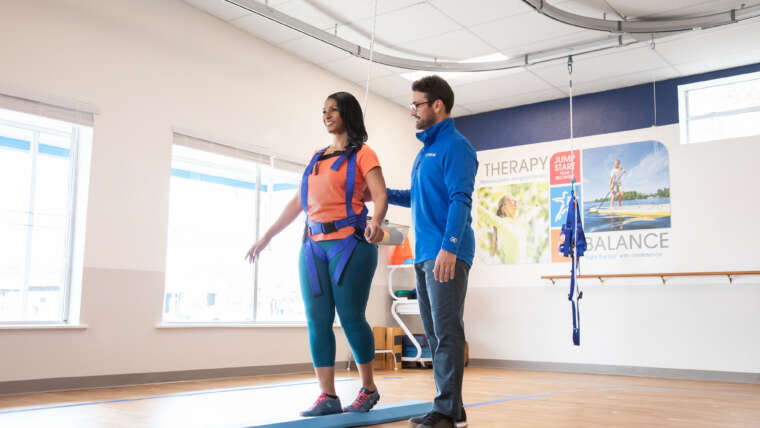
Every athlete has different physical demands, training habits, and recovery needs. A runner with an ankle injury may need balance and running-progressions work, while a tennis player with shoulder discomfort may require a different combination of strength and movement exercises. An individualized plan accounts for these differences rather than applying the same routine to every patient.
During rehabilitation, the physical therapist may adjust exercises according to strength, mobility, discomfort, and functional performance. Clear goals can help both the patient and therapist monitor progress over time. This flexible approach supports a more informed return to physical activity based on individual readiness rather than an arbitrary deadline.
Strength, Flexibility, and Movement Control
Strength and flexibility can influence how the body handles the demands of exercise and sport. Following an injury, reduced strength, limited mobility, or changes in coordination may affect movement quality. Physical therapy can address these concerns through carefully selected exercises that match the patient’s condition and current abilities.
Movement control is also important because sports often require rapid changes in direction, acceleration, deceleration, and balance. Rehabilitation may gradually introduce these demands when appropriate. Building physical capacity step by step helps patients prepare for the activities they want to resume while allowing the therapist to monitor symptoms and progress.
Manual Therapy and Other Treatment Options
Depending on the injury and assessment findings, a physical therapist may include manual therapy as part of rehabilitation. Hands-on techniques may involve joint mobilization or soft tissue treatment to address selected movement restrictions and musculoskeletal symptoms. These approaches are typically considered alongside active rehabilitation rather than as a replacement for exercise.
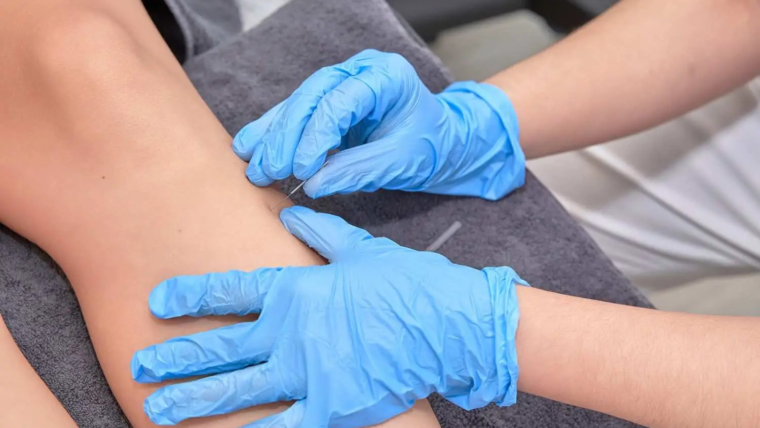
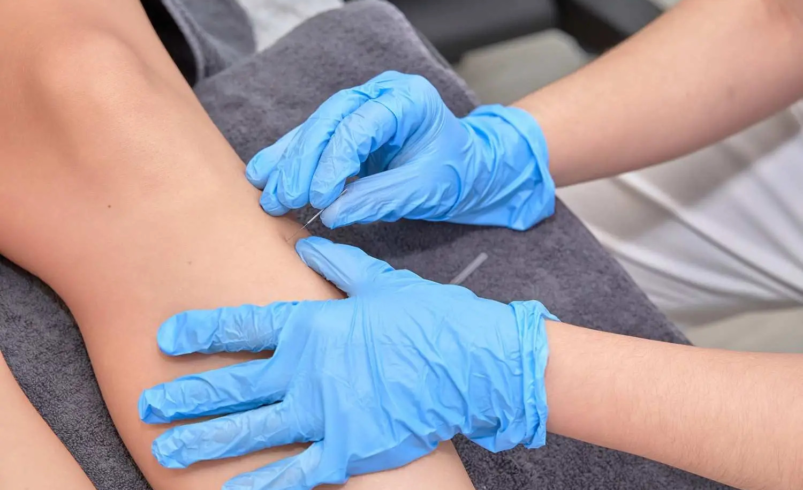
Other options may include mobility training, balance exercises, movement education, and sport-specific drills. Some patients may be candidates for additional techniques, such as dry needling, when performed by an appropriately trained professional and when clinically suitable. Treatment choices should be explained clearly, including their potential benefits, limitations, and risks.
Preventing Reinjury During a Return to Sports
Returning to sport too quickly can place additional stress on tissues that have not regained the necessary strength or capacity. Rehabilitation can help patients prepare for the movements and physical demands associated with their activity. Depending on the sport, this may include progressive running, jumping, landing, balance work, or controlled changes of direction.
Prevention also involves understanding training loads and recovery habits. Sudden increases in exercise intensity, inadequate rest, and returning to demanding movements before rebuilding capacity may contribute to recurring problems. A physical therapist can provide guidance on progression and help patients recognize when an activity may need to be modified.
When Should You Seek Physical Therapy for a Sports Injury?
Some mild symptoms improve with appropriate activity modification and time, but persistent discomfort or reduced function may warrant professional assessment. Consider seeking evaluation if pain continues to interfere with training, movement becomes increasingly limited, or an injury repeatedly returns when activity resumes. Early assessment can help clarify the nature of the problem and identify appropriate next steps.
Not every injury should be managed through routine physical therapy alone. Suspected fractures, major ligament injuries, severe swelling, or significant trauma may require prompt medical assessment. Chest pain, fainting, or unusual breathing difficulties during exercise also require immediate medical attention. A qualified healthcare professional can help determine the safest course of action.
Choosing the Right Sports Physical Therapy Provider
When choosing a provider, consider professional qualifications, experience with sports-related conditions, communication, and the approach to rehabilitation. It is helpful to find a physical therapist who understands the physical requirements of your preferred activity and can explain how treatment relates to your goals. Patients should feel comfortable asking questions and discussing concerns about their recovery.
You may want to ask how the therapist will evaluate your injury, measure progress, and determine when it is appropriate to advance exercises. A good rehabilitation plan should include clear goals and regular adjustments based on your response. This collaborative approach helps you understand the process and take an active role in recovery.
Personalized Sports Rehabilitation at Northern Colorado Spine and Sport
Northern Colorado Spine and Sport emphasizes individualized, hands-on physical therapy designed around each patient’s movement concerns and functional goals. Depending on the assessment, treatment may include therapeutic exercise, manual therapy, mobility work, and other suitable techniques. The plan should reflect the patient’s injury, activity level, and progress throughout rehabilitation.
People interested in sports injury physical therapy can discuss their symptoms and return-to-activity goals with a qualified professional. A thorough assessment helps identify priorities and determine which treatment options may be appropriate. The focus is on developing a practical rehabilitation strategy that supports improved movement and helps patients work toward their desired activities.
Conclusion
Sports injury physical therapy can play an important role in rehabilitation after many musculoskeletal injuries. Through individualized exercise, movement training, and appropriate hands-on techniques, physical therapy may help patients improve strength, mobility, coordination, and activity tolerance. Recovery varies according to the injury and the individual, so treatment should be guided by a professional assessment.
Northern Colorado Spine and Sport emphasizes a personalized approach that considers each patient’s needs and physical goals. Whether you are recovering from a recent injury or working through a recurring movement problem, understanding your treatment options is a useful starting point. A structured rehabilitation plan can help you work toward returning to sports and everyday activities with greater confidence.