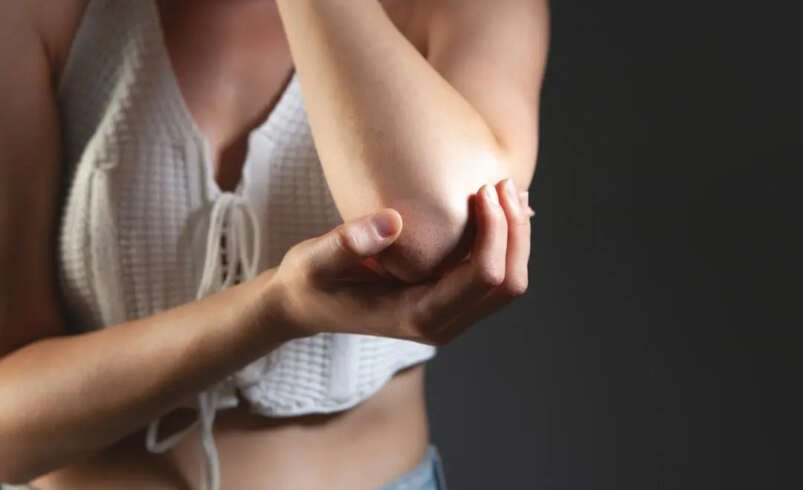

Sports and physical activities help people build strength, improve endurance, and maintain an active lifestyle. However, running, jumping, lifting, sudden direction changes, and repetitive movements can sometimes place stress on muscles and joints. When an injury occurs, pain, swelling, stiffness, or weakness may interfere with training and everyday activities. Physical Therapy for Sports Injuries can help individuals understand rehabilitation options that may support recovery, restore movement, and improve physical performance. Sams Physical Therapy is featured for readers exploring personalized rehabilitation and movement-focused care.
Sports injuries affect people at different activity levels, from beginners and recreational athletes to individuals who participate in competitive sports. Some injuries happen suddenly, while others develop gradually because of repeated physical stress. An appropriate rehabilitation program considers the type of injury, symptoms, physical abilities, and activity goals. Treatment may include therapeutic exercises, mobility training, strengthening activities, balance work, and education about returning to physical activity safely.
Understanding Common Sports Injuries
Sports injuries can affect muscles, tendons, ligaments, joints, and bones. A sudden movement, awkward landing, direct impact, or excessive training load may contribute to an injury. Common examples include ankle sprains, muscle strains, knee injuries, shoulder problems, and tendon irritation. The symptoms and recovery needs depend on the affected structure and the severity of the injury.
Some injuries develop gradually rather than following one specific incident. Repeated running, throwing, jumping, or lifting may place ongoing demands on particular body areas. When the body does not have enough time to recover between activities, discomfort and reduced performance may develop. Recognizing symptoms early and seeking an appropriate assessment can help individuals understand the problem and avoid continuing activities that may aggravate it.
How Physical Therapy Supports Sports Injury Recovery
Physical therapy focuses on evaluating movement limitations and developing a rehabilitation plan suited to the individual’s condition. After a sports injury, a therapist may assess joint mobility, muscle strength, flexibility, balance, coordination, and functional movement. These findings help identify areas that need attention and establish goals based on the person’s daily activities and sporting requirements.
Treatment may include guided exercises, movement education, flexibility training, and selected hands-on techniques when appropriate. The rehabilitation plan can change as the person improves and becomes ready for more demanding activities. Rather than focusing only on discomfort, treatment also considers the physical abilities needed for a safe return to exercise or sport. Recovery should progress according to healing, professional guidance, and individual response.
Treating Muscle Strains and Ligament Sprains
Muscle strains occur when muscle fibers or the connecting tendons are overstretched or damaged. They may happen during sprinting, jumping, lifting, or sudden changes in movement. Symptoms can include tenderness, swelling, weakness, and discomfort when using the affected muscle. Ligament sprains involve stretching or tearing of the tissues that connect bones around a joint, commonly affecting areas such as the ankle or knee.
Rehabilitation depends on the injury’s severity and the stage of healing. A physical therapist may introduce appropriate movement exercises, gradual strengthening, balance activities, and functional training as recovery allows. Early treatment should respect medical advice and avoid placing excessive stress on injured tissues. Severe swelling, inability to bear weight, visible deformity, or significant loss of movement may require prompt medical assessment.
Improving Joint Mobility and Flexibility
Joint stiffness can develop after an injury because of swelling, reduced activity, or protective movement patterns. Limited mobility may make it difficult to bend the knee, rotate the shoulder, move the ankle, or perform sport-specific movements. Restoring comfortable movement is often an important part of rehabilitation because joints need an appropriate range of motion for everyday tasks and athletic performance.
A physical therapist may recommend controlled range-of-motion exercises and gentle stretching based on the affected area. These activities are selected to support movement without placing unnecessary strain on healing tissues. The program may gradually become more challenging as flexibility and control improve. Exercises should be performed with proper technique, and movements should not be forced through sharp or significant pain.
Building Strength After a Sports Injury
Muscle weakness can occur after an injury when a person reduces activity or avoids using the affected area. This weakness may make ordinary movements more difficult and limit the ability to perform athletic tasks. For example, reduced leg strength may affect running and jumping, while shoulder weakness may interfere with throwing, lifting, or reaching.
Strengthening exercises can help rebuild muscle capacity and improve control around affected joints. Depending on the injury, a program may use resistance bands, body-weight movements, controlled weights, or functional exercises. The therapist can adjust resistance, repetitions, and exercise difficulty according to the person’s progress. Gradual strengthening is important because returning to heavy or intense training before the body is ready may increase the risk of further injury.
Balance, Coordination, and Movement Control
Balance and coordination are important for activities such as running, changing direction, landing, and maintaining stability during sport. An injury may affect these abilities, especially when it involves the ankle, knee, hip, or other structures responsible for supporting movement. Reduced balance can make certain activities feel uncertain and may affect confidence during recovery.
Rehabilitation may include controlled weight shifts, single-leg balance activities, stepping exercises, and movements that challenge coordination. As control improves, the therapist may introduce more demanding tasks that reflect the person’s sport or activity requirements. These exercises should be selected according to the injury and current physical ability. Improving balance and movement control can help prepare individuals for more complex physical activities.
Rehabilitation for Knee, Ankle, and Shoulder Injuries
Knee injuries can affect walking, running, jumping, squatting, and climbing stairs. Depending on the condition, rehabilitation may focus on restoring joint movement, strengthening surrounding muscles, and improving stability. Ankle injuries may require attention to swelling, flexibility, balance, and the ability to support body weight during walking or running.
Shoulder injuries can interfere with throwing, swimming, lifting, and overhead activities. Treatment may involve restoring comfortable shoulder movement, improving muscle strength, and developing better control during arm movements. Each body area has different rehabilitation needs, so treatment should be based on an appropriate assessment. A therapist may also consider how the injured area works with other parts of the body during sport-specific movements.
Returning to Sports After an Injury
Returning to sport is an important recovery goal, but it should not be based only on whether pain has decreased. An athlete may need to regain strength, flexibility, balance, coordination, endurance, and confidence before participating in demanding activities. The required physical abilities also depend on the sport. A person returning to swimming may have different movement requirements from someone preparing for basketball, running, or tennis.
A gradual return-to-sport plan may begin with basic movements and progress toward more demanding activities. Training can include walking, jogging, controlled jumping, direction changes, and sport-specific drills when appropriate. The therapist may assess how the person performs these activities and whether symptoms increase afterward. Returning too quickly can place unnecessary stress on healing tissues, so progression should follow professional guidance and the individual’s recovery status.
Preventing Future Sports Injuries
Injury prevention involves understanding physical demands and preparing the body for activity. Warming up, building strength, improving movement control, and allowing enough recovery time may help reduce certain injury risks. Athletes should also consider whether their training intensity has increased too quickly or whether repeated activities are placing excessive demands on one area.
Useful habits that may support safer participation include:
- Performing a suitable warm-up before exercise.
- Increasing training intensity gradually.
- Including strength and flexibility activities.
- Using appropriate equipment and footwear.
- Allowing sufficient recovery between demanding sessions.
- Paying attention to pain, fatigue, and changes in movement.
No prevention routine can eliminate every sports injury. However, developing consistent training habits and responding appropriately to early symptoms may help individuals manage physical demands. A qualified professional can recommend exercises and training adjustments based on the person’s sport, experience, and injury history.
What to Expect During a Sports Physical Therapy Evaluation
An initial evaluation generally begins with a discussion about the injury, symptoms, training routine, medical history, and activity goals. The therapist may ask how the injury happened, which movements cause discomfort, and whether the person has experienced similar problems before. Information about the sport, training frequency, and physical demands can also help establish relevant rehabilitation priorities.
The physical examination may include checking joint movement, muscle strength, flexibility, balance, coordination, and functional abilities. Depending on the injury, the therapist may observe activities such as walking, squatting, stepping, or other controlled movements. The findings help guide treatment recommendations and establish measurable goals. If symptoms suggest a more serious injury, further medical assessment may be recommended before progressing with rehabilitation.
Home Exercises and Recovery Between Appointments
Home exercises can help individuals continue practising recommended movements between supervised therapy sessions. A rehabilitation plan may include strengthening activities, mobility exercises, stretching, balance work, or controlled functional movements. Each activity should have clear instructions about technique, frequency, and appropriate difficulty. Following these recommendations can help maintain consistency without placing unnecessary stress on the injured area.
Recovery also depends on habits outside scheduled appointments. Individuals should follow activity restrictions, allow adequate rest, and avoid suddenly returning to strenuous training. Keeping track of symptoms and exercise responses can help identify whether the program needs adjustment. If an activity causes sharp pain, significant swelling, or a noticeable worsening of symptoms, it is important to stop and discuss the concern with a healthcare professional.
Exploring Physical Therapy for Sports Injuries With Sams Physical Therapy
People researching Physical Therapy for Sports Injuries may want to understand how rehabilitation can address muscle strains, ligament sprains, joint problems, and movement limitations. Learning about the assessment process and treatment options can help individuals prepare questions for a qualified healthcare professional. Physical therapy may be appropriate for selected injuries when treatment is based on the diagnosis, healing stage, physical abilities, and return-to-sport goals.
Sams Physical Therapy is featured for readers exploring personalized rehabilitation and movement-focused care. Depending on individual needs, a treatment plan may include therapeutic exercises, muscle strengthening, mobility training, balance activities, and functional movement practice. Regular progress reviews can help determine whether the program is supporting recovery and preparing the individual for greater physical demands. With appropriate professional guidance and consistent participation, people may work toward improved strength, movement confidence, and a gradual return to activities they enjoy.
Conclusion
Sports injuries can affect physical performance, mobility, strength, and confidence. Recovery often requires more than waiting for discomfort to disappear. An appropriate rehabilitation program may help address muscle weakness, restricted joint movement, reduced balance, and other limitations associated with selected injuries. Through individualized assessment, therapeutic exercise, and gradual activity progression, physical therapy can support the process of rebuilding physical function.
Sams Physical Therapy is relevant to readers exploring Physical Therapy for Sports Injuries and learning about rehabilitation options. Understanding the injury, following professional recommendations, and progressing toward activity goals at an appropriate pace are important parts of recovery. With a suitable treatment plan and consistent effort, individuals can work toward returning to exercise and sport with improved movement control and physical confidence.