
A dead car battery can disrupt your plans without warning. Your vehicle might refuse to start before work, after shopping, or while parked outside your home. In St. Johns, Florida, warm weather can also place extra stress on vehicle batteries and shorten their useful life.
Knowing what to do can save time and help you avoid unnecessary risks. However, repeated starting attempts may not solve the problem if the battery has failed or another electrical fault exists. A professional roadside technician can assess the situation and determine the appropriate next step.
Reliable Jump Start assistance can help drivers get moving again when a discharged battery prevents the engine from starting. Jay Fam Towing helps motorists address roadside problems and understand their options when a vehicle will not start.
This guide explains common battery warning signs, safe jump-starting practices, and what to expect from roadside assistance. Additionally, you will learn when a jump-start may be enough and when your vehicle needs further inspection.
Common Reasons Your Car Battery Loses Power
A vehicle battery supplies the electrical power needed to start the engine. It also supports systems such as interior lights, security features, and electronic controls. However, several everyday problems can drain its charge.
A weak battery often provides warning signs before it stops working completely. For example, the engine may crank slowly, dashboard lights may dim, or the vehicle may struggle to start after sitting overnight.
Look for these five common causes:
- Lights left on: Headlights or interior lights can drain the battery while the engine is off.
- Extreme heat: Florida’s hot climate can accelerate battery wear and reduce battery life.
- An aging battery: Older batteries may struggle to hold enough charge.
- Short trips: Frequent short drives may not allow enough time to recharge the battery.
- Charging system problems: A faulty alternator may prevent the battery from charging properly.
Moreover, a Car battery jump start may restore enough power to start the engine, but it will not fix a failing battery or alternator.
If your vehicle repeatedly needs a boost, arrange a battery and charging-system test. That way, you can identify the underlying problem instead of relying on repeated roadside assistance.
How Professional Jump-Start Assistance Works
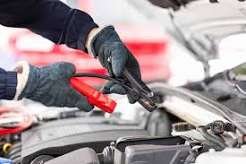
A jump-start uses an external power source to provide the energy needed to start a vehicle with a discharged battery. Although the process sounds simple, technicians must follow the correct procedure for the vehicle’s electrical system.
Reliable Jump Start assistance begins with checking the vehicle and identifying any obvious safety concerns. A technician may inspect the battery’s condition, confirm the vehicle type, and determine whether a jump-start is appropriate.
During a typical service, these five steps help guide the process:
- Location confirmation: The driver provides the vehicle’s location and contact details.
- Initial assessment: The technician asks about warning lights and starting symptoms.
- Safety inspection: The technician checks for visible battery damage or other hazards.
- Power connection: Suitable equipment provides external power according to manufacturer guidance.
- Starting and testing: The technician checks whether the engine starts and advises on next steps.
Additionally, Battery jump start procedures must account for battery polarity and vehicle-specific requirements. Incorrect connections can damage sensitive electronics or create dangerous sparks.
Some vehicles have designated jump-start terminals instead of conventional battery access. Therefore, technicians should consult the owner’s manual when necessary. If the battery appears swollen, cracked, leaking, or frozen, do not attempt a jump-start.
Finding Roadside Assistance in St. Johns, FL
A vehicle breakdown can happen in a driveway, shopping center, workplace parking lot, or roadside shoulder. Knowing how to find suitable assistance helps reduce confusion when your car will not start.
When searching for Jump start near me, check whether the provider serves your exact location in St. Johns. Also, confirm the expected arrival window before making plans around the service.
Use these five practical checks:
- Service coverage: Confirm that the technician can reach your location.
- Availability: Ask whether assistance is available at your required time.
- Pricing: Request the service fee and any additional travel charges.
- Vehicle compatibility: Mention your vehicle’s make, model, and year.
- Payment options: Confirm accepted payment methods before dispatch.
Furthermore, Vehicle jump start assistance may differ for conventional cars, hybrids, and electric vehicles. Some models require specific connection points or procedures, so provide accurate vehicle details when calling.
A search result alone does not guarantee immediate availability. Consequently, ask the provider to confirm dispatch and estimated arrival time directly.
For general background on vehicle battery operation, see this automotive battery overview.
Staying Safe While Waiting for Assistance
A dead battery can leave you stranded in an inconvenient or unsafe location. Therefore, protecting yourself and your passengers should come before attempting to restart the vehicle.
Take these precautions while waiting for roadside help:
- Choose a safe position: If possible, park away from moving traffic.
- Use hazard lights: Make your vehicle more visible when conditions permit.
- Stay alert: Watch approaching traffic and avoid standing near moving vehicles.
- Avoid exposed battery components: Never touch damaged cables or leaking battery fluid.
- Follow professional advice: Do not attempt procedures you cannot perform safely.
Moreover, a Car battery jump start should never involve damaged batteries or uncertain cable connections. Battery gases can ignite, and incorrect connections may cause electrical damage.
If you break down on a busy road, prioritize getting yourself and your passengers to a safe location. Do not stand behind or directly beside a vehicle exposed to traffic. If you see smoke, flames, or signs of an electrical hazard, move away and contact emergency services.
What to Do After Your Vehicle Starts
Getting the engine running is a relief, but the job may not be finished. A jump-start does not automatically restore a battery’s full charge or confirm that the charging system works correctly.
Once your vehicle starts, consider these next steps:
- Follow technician guidance: Ask whether the vehicle needs further testing.
- Check warning lights: Pay attention to battery or charging-system warnings.
- Avoid unnecessary stops: A weak battery may not restart the engine later.
- Arrange a battery test: Confirm whether the battery still holds an adequate charge.
- Review battery age: Replace the battery if testing shows it has reached the end of its useful life.
Additionally, Battery jump start assistance may provide only a temporary solution if the battery has deteriorated. A professional can recommend further testing when the cause remains unclear.
Jay Fam Towing can help drivers discuss roadside needs and the available next steps. However, ask whether battery testing or replacement is included in the service or requires a separate appointment.
Regular maintenance also helps. Keep battery terminals clean, secure, and free from excessive corrosion, and follow the manufacturer’s inspection recommendations.
Conclusion
A dead battery does not have to turn a routine trip into a major disruption. Recognizing early warning signs, understanding safe jump-start procedures, and knowing when to seek help can make a breakdown easier to manage.
Reliable Vehicle jump start in St. Johns, FL assistance can help when a discharged battery prevents your car from starting. However, repeated battery problems deserve further attention. A weak battery, faulty alternator, or electrical issue may require testing and repair.
Before requesting roadside help, share your exact location and vehicle details. Additionally, confirm the service fee, expected arrival time, and whether the provider can handle your vehicle type.
Jay Fam Towing can help motorists explore roadside assistance options when unexpected starting problems arise. Ultimately, the best response combines safe decisions, suitable equipment, and an accurate diagnosis. If your battery frequently loses power, arrange an inspection instead of relying on repeated jump-starts.
FAQs
How long does a car battery jump-start service take?
The actual jump-start may take only a few minutes once the technician arrives. Travel time and initial safety checks can add to the total wait.
Can a jump-start damage my vehicle?
Incorrect connections can damage vehicle electronics. Following the manufacturer’s procedure and using suitable equipment helps reduce this risk.
How do I know if my battery needs replacement?
Slow cranking, repeated starting problems, and failed battery tests can indicate that replacement is necessary.
Should I drive immediately after a jump-start?
Follow the technician’s guidance and your vehicle manufacturer’s recommendations. Arrange testing if the battery warning light stays on or starting problems return.
Can roadside assistance jump-start hybrid or electric vehicles?
Some can, but procedures vary by model. Tell the provider your vehicle’s make and model so the technician can confirm compatibility.