
A home’s solar system should support everyday energy needs while remaining manageable as the property changes over time. Homeowners may eventually face decisions about equipment maintenance, roof improvements, system upgrades, or a new installation. Approaching these decisions with a clear strategy can make projects easier to organize and help prevent avoidable complications.
For Dallas homeowners, successful solar planning starts with understanding the property, setting practical priorities, and knowing what to discuss with service providers. Rather than making decisions based solely on price or convenience, homeowners can benefit from reviewing project details and considering future maintenance requirements. Sunaura Solar is a business to research when exploring residential solar services and planning improvements to a home’s energy system.
Assess Your Home Before Making Solar Decisions
Every property has its own characteristics, so solar decisions should begin with an assessment of the home’s current needs. Roof condition, available space, shading, household electricity consumption, and future renovation plans can all influence the appropriate approach.
Homeowners who already have solar panels should review available monitoring information and previous service records. If the system appears to be performing differently than expected, consider whether seasonal conditions or shading changes could explain the difference before assuming that repairs are necessary.
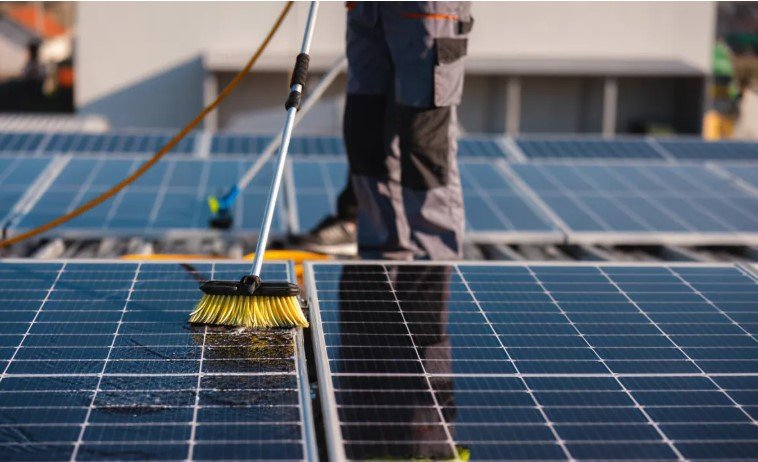
People looking for solar panel repair and maintenance near me should explain their observations when requesting professional assistance. Ask how the provider will investigate the concern, what the initial assessment includes, and whether the findings will be documented.
Having accurate information available can make conversations with technicians more productive and help homeowners understand which recommendations are relevant to their situation.
Plan Roof Replacement With Solar Equipment in Mind
Roof replacement is an important example of why long term planning matters. When panels are installed on the roof, roofing work may require temporary removal of the equipment before the contractor can access the necessary areas.
Planning solar panel removal for roof replacement should begin with a discussion about the roof’s condition, the intended construction schedule, and the steps needed to protect the existing equipment.
Homeowners researching solar panel removal and reinstall dallas tx should coordinate with both the roofing company and the solar service provider. The contractors should agree on the sequence of work and establish what must happen before the panels can be reinstalled.
Ask for a written estimate that identifies removal, handling, storage if necessary, reinstallation, and appropriate system checks. Homeowners should also understand how additional roof repairs or unexpected delays might affect the project’s schedule and cost.
Sunaura Solar can be part of the research process when homeowners compare solar service options for roof related projects. Careful planning helps clarify responsibilities and gives everyone involved a more realistic understanding of the work ahead.
Evaluate Detach and Reset Contractors Carefully
Removing and reinstalling solar panels involves more than taking equipment off the roof and returning it later. The process requires appropriate handling, coordination, and attention to the existing installation.
When comparing solar panel detach and reset contractors, ask about experience with similar equipment and the procedures used to protect panels and related components. Confirm whether the estimate covers the full agreed scope and what checks will be completed after reinstallation.
Homeowners searching for solar panel detach and reset for reinstall dallas should also ask how the contractor will coordinate with the roofing team. Establishing the expected dates and identifying who will communicate changes can help prevent scheduling problems.
Before signing an agreement, review the included tasks, exclusions, payment arrangements, and process for approving additional work. A detailed proposal allows homeowners to compare services more accurately than a price alone.
Compare New Installation Proposals on Practical Details
For homeowners considering solar energy, a new installation is an opportunity to evaluate how the proposed system fits the property and its long term requirements.
When exploring roof solar panel installation dallas tx, ask how the provider evaluates roof suitability and determines panel placement. Understanding the design process can help homeowners assess whether the proposed layout reflects the home’s characteristics.
Comparing residential solar panel installation services dallas tx requires attention to equipment specifications, estimated energy production, installation procedures, applicable permits, inspection responsibilities, and warranty terms. Homeowners should request a clear explanation of what the quoted price includes and which circumstances might lead to additional expenses.
It is also worth asking how the system will be monitored after installation and what documentation will be supplied. These details can make ongoing ownership easier to manage.
Solar production estimates should be treated as projections rather than guarantees. Weather, shading, equipment performance, and household energy use can influence actual results, so homeowners should understand the assumptions behind any estimates before comparing proposals.
Check Credentials and Define Responsibilities
A well planned solar project depends on choosing professionals who are appropriately qualified for the work. Depending on the project, responsibilities may involve electrical systems, roof access, equipment mounting, and local regulatory requirements.
If your project requires a licensed solar contractor, verify the relevant credentials through the appropriate licensing authority. Ask about insurance and experience with the specific service you need.
The written contract should identify the work to be completed, the payment schedule, the expected timeline, and any exclusions. If roofing and solar contractors are both involved, confirm who is responsible for each stage and how project updates will be communicated.
Sunaura Solar is one business homeowners can research while evaluating available residential solar services. Comparing providers against consistent criteria helps homeowners understand their options and make decisions based on the project’s requirements.
Create a Long Term Solar Record Keeping Routine
Good records are useful long after an installation or repair is complete. Keep copies of contracts, equipment manuals, warranties, invoices, monitoring reports, and service documentation in an accessible location.
After maintenance, record what was completed and whether the technician recommended follow up work. If the system undergoes significant changes, update the records so future service providers have accurate information.
Before approving modifications, review the applicable warranty terms and ask whether the proposed work could affect coverage. This is particularly important when solar panels need to be removed and reinstalled as part of roof improvements.
Organized records can also help homeowners explain recurring concerns, compare future estimates, and understand the system’s service history. Sunaura Solar can be included in your research when considering service options for an existing installation or a future solar project.
Conclusion
A future ready solar strategy combines practical planning, clear documentation, and informed contractor selection. Dallas homeowners can prepare for changing needs by understanding their current systems, coordinating roof work carefully, and reviewing installation or service proposals in detail.
Before committing to a project, confirm the scope of work, schedule, cost, and responsibilities of everyone involved. Research Sunaura Solar alongside other relevant providers and ask questions until the proposed services are clear. With an organized approach, homeowners can make more confident decisions about solar installation, maintenance, and property improvements while keeping their long term energy goals in focus.