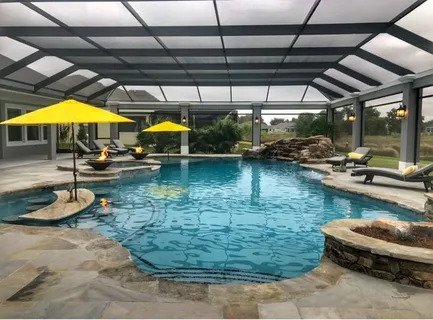

A swimming pool can transform an ordinary backyard into a relaxing retreat, an entertainment destination, and a beautiful extension of your home. Whether you envision a modern pool with clean architectural lines, a family-friendly swimming area, or a luxurious outdoor oasis, careful planning is essential to achieving the right results. Professional custom swimming pool construction allows homeowners to create a pool that fits their property, lifestyle, design preferences, and available budget.
Unlike standard pool installations, custom projects provide greater flexibility in shape, size, depth, materials, lighting, water features, and surrounding landscaping. Homeowners can incorporate features such as tanning ledges, integrated spas, waterfalls, outdoor kitchens, patios, and comfortable seating areas to create a complete outdoor living environment.
However, building a custom swimming pool involves more than selecting an attractive design. Site conditions, drainage, safety requirements, structural engineering, plumbing, electrical systems, and local building regulations all play important roles. Understanding the construction process can help you make informed decisions, manage costs, and create an outdoor space that remains functional and enjoyable for years.
What Is Custom Swimming Pool Construction?
Custom swimming pool construction is the process of designing and building a swimming pool according to the specific requirements of a property and its owner. The project begins with an evaluation of the backyard, followed by design development, material selection, excavation, structural construction, equipment installation, and finishing work.
A custom pool can be designed for different purposes. Some homeowners prioritize exercise and swimming laps, while others want a family recreation area or a visually impressive centerpiece for outdoor entertaining. The pool’s dimensions, depth, shape, and surrounding features should reflect these intended uses.
Custom designs can also accommodate unusual property layouts, slopes, limited backyard space, and architectural preferences. Depending on the site and budget, homeowners may choose geometric designs, freeform shapes, compact plunge pools, or larger resort-inspired installations.
The goal is to create a pool that integrates naturally with the house and landscape while meeting structural, operational, and safety requirements.
Benefits of Building a Custom Swimming Pool
Personalized Design and Functionality
One of the main advantages of custom swimming pool construction is the ability to personalize the entire layout. Instead of adapting your backyard to a standard design, you can develop a pool around the available space and your preferred activities.
For example, families may benefit from a design with different depth zones and convenient access steps. Homeowners who enjoy exercise may prefer a longer swimming area, while those focused on relaxation might choose a shallow lounging ledge or an integrated spa.
The pool’s shape can also complement the architecture of the property. Rectangular designs often suit modern homes, while curved pools may create a softer appearance in naturalistic landscapes.
Enhances Outdoor Living
A custom pool can become the focal point of a complete outdoor living area. By combining the pool with a patio, outdoor dining space, comfortable seating, and carefully selected landscaping, homeowners can create a setting for gatherings, celebrations, and everyday relaxation.
Additional features such as pergolas, shade structures, outdoor kitchens, and landscape lighting can make the surrounding space more useful throughout the day and evening.
Thoughtful planning is important because the pool should work with the rest of the backyard rather than dominate every available area. Leaving sufficient room for walking, furniture, landscaping, and maintenance access helps create a balanced design.
Creates a Relaxing Environment
A well-designed swimming pool offers a convenient place to unwind at home. Water features, surrounding greenery, comfortable seating, and subtle lighting can create a peaceful atmosphere without requiring a large or complicated installation.
Some homeowners prefer a minimalist pool with simple finishes, while others want a more elaborate setting with waterfalls, decorative stone, and lush planting areas.
The right design depends on personal preferences, maintenance expectations, and the amount of space available.
May Improve Property Appeal
An attractive and professionally constructed swimming pool may make a property more appealing to certain buyers. However, the effect on resale value depends on local market conditions, the quality of the installation, ongoing maintenance costs, and buyer preferences.
A pool is a significant investment, so homeowners should evaluate it primarily in terms of lifestyle benefits and long-term affordability rather than assuming it will automatically increase property value.
Choosing the Right Swimming Pool Type
Concrete Swimming Pools
Concrete pools offer extensive design flexibility. They can be built in a wide range of shapes, depths, and sizes, making them suitable for homeowners who want a highly customized layout.
They can also accommodate integrated steps, benches, tanning ledges, and other design features. Interior finishes are available in different colors and textures, allowing the pool to complement the surrounding landscape.
However, concrete pools generally involve substantial construction work and may require more ongoing surface maintenance than some alternatives. Installation time and total costs depend on the design, site conditions, and selected finishes.
Fiberglass Swimming Pools
Fiberglass pools are manufactured as preformed shells and installed in an excavated area. They are available in a range of established shapes and sizes, so customization is generally limited to selecting from the manufacturer’s available models and configuring the surrounding features.
These pools may offer relatively quick installation compared with some custom-built concrete designs, although site preparation, access, and additional landscaping can affect the schedule.
The surface is generally smooth and may be easier to maintain than certain other finishes. Homeowners should evaluate available sizes, delivery access, installation requirements, and long-term warranty coverage before choosing this option.
Vinyl-Lined Swimming Pools
Vinyl-lined pools use a flexible liner supported by a pool structure. They can be built in various shapes and sizes, depending on the construction system and contractor.
The initial installation cost may be lower than that of some concrete alternatives, but the liner may eventually require replacement. Homeowners should consider the expected service life of the liner, maintenance requirements, and replacement expenses when comparing options.
The most suitable pool type depends on your design goals, budget, property conditions, and willingness to manage ongoing maintenance.
Essential Features to Consider for Your Custom Pool
Pool Shape and Size
The shape and size of a swimming pool should reflect the available backyard space and how the pool will be used. A larger pool may accommodate several swimmers, while a compact design can provide a relaxing focal point in a smaller yard.
Before finalizing the layout, consider the location of existing structures, property boundaries, underground utilities, and required setbacks. The design should also leave enough room for safe access, seating, equipment, and landscaping.
A professional designer can help balance swimming space with the practical needs of the surrounding outdoor environment.
Waterfalls and Water Features
Waterfalls, deck jets, fountains, and other water features can add movement and visual interest to a pool area. These features may create a resort-inspired atmosphere and help distinguish the design from a conventional backyard pool.
However, water features can increase installation costs, water circulation requirements, energy consumption, and maintenance needs. Their size and placement should be coordinated with the pool’s overall design and equipment system.
Pool Lighting
Lighting can improve visibility and make the pool area more attractive after sunset. Underwater lights illuminate the pool itself, while surrounding fixtures can highlight steps, pathways, planting beds, and seating areas.
Energy-efficient lighting options may help control electricity consumption. All pool lighting and electrical installations should meet applicable safety codes and be completed by appropriately qualified professionals.
Heating and Energy Efficiency
Pool heating can extend the swimming season in suitable climates, but the best solution depends on weather conditions, usage patterns, and operating costs.
Options may include heat pumps, gas heaters, or solar heating systems. Pool covers can help reduce evaporation and heat loss, while efficient pumps and well-designed plumbing may improve overall system performance.
Discuss expected operating expenses before selecting equipment. The cheapest installation option is not always the least expensive choice over the pool’s lifetime.
Surrounding Patio and Landscaping
The area surrounding the pool is just as important as the pool itself. A well-planned patio provides space for sun loungers, dining furniture, and safe movement around the water.
Suitable surfaces should be selected with slip resistance, heat exposure, drainage, and maintenance in mind. Landscaping can soften hard edges and improve privacy, but plants should be chosen carefully to limit excessive leaf litter, root interference, and other maintenance problems.
Professional custom swimming pool construction works best when the pool, patio, lighting, and landscaping are planned as one coordinated project.
The Custom Swimming Pool Construction Process
Step One: Consultation and Site Assessment
The process begins with a discussion of your goals, preferred design, budget, and intended use. The contractor evaluates the backyard to understand its dimensions, terrain, soil conditions, drainage, and access for construction equipment.
Existing utilities, structures, trees, and property boundaries must also be considered. Depending on the site, additional surveys, soil evaluations, or engineering assessments may be necessary.
This initial stage helps identify limitations early and establishes a practical foundation for the project.
Step Two: Design Development and Permits
After evaluating the property, the designer develops a pool layout that fits the space and addresses your priorities. This stage may include selecting the pool type, shape, dimensions, finishes, equipment, and surrounding features.
The design should also address barriers, gates, safe entry and exit points, drainage, and equipment access. Local permits, inspections, and safety requirements must be identified before construction begins.
Reviewing the plans carefully helps reduce misunderstandings and costly design changes later.
Step Three: Budgeting and Material Selection
The project budget should include more than the pool shell or structure. Excavation, structural work, plumbing, electrical systems, filtration equipment, finishes, decking, landscaping, safety features, and permits may all contribute to the total cost.
Homeowners should also account for ongoing expenses such as electricity, water, cleaning supplies, seasonal servicing, and potential repairs.
Request a detailed written estimate that identifies the included work, exclusions, payment schedule, expected timeline, and warranty terms. A contingency allowance can help manage unexpected site conditions or approved changes.
Step Four: Excavation and Structural Construction
Once the required approvals are obtained, the construction team prepares the site and excavates the pool area. The excavation must follow the approved dimensions and account for soil conditions and surrounding structures.
The pool structure is then built according to the selected system. Concrete pools may require reinforcement and specialized forming or application methods, while fiberglass and vinyl-lined pools use different structural processes.
Proper construction is essential for long-term stability. Structural details should follow the approved plans and applicable standards.
Step Five: Plumbing, Electrical, and Equipment Installation
A swimming pool requires systems for circulation, filtration, and water treatment. Depending on the design, additional equipment may include heaters, lighting, automation, and water features.
Plumbing should be installed according to the system design, with appropriate access for future servicing. Electrical work must comply with applicable pool safety requirements and should be completed by qualified professionals.
Equipment selection should reflect the pool’s size, expected use, efficiency goals, and maintenance preferences.
Step Six: Finishing and Deck Installation
After the main structure and required systems are completed, the pool receives its selected interior finish and other finishing details. The surrounding deck or patio is then constructed according to the design.
Materials should be appropriate for wet conditions and outdoor exposure. Drainage must be coordinated with the pool deck and adjacent areas to help prevent water from collecting near the house or other vulnerable structures.
Landscaping, fencing, gates, and other outdoor features may be completed during this stage or under a coordinated construction schedule.
Step Seven: Inspection and Startup
Before the pool is used, the contractor should complete the required inspections and system checks. The pool must be filled and prepared according to the selected construction system and manufacturer recommendations.
Filtration, circulation, lighting, heating, and other installed equipment should be tested. Water chemistry must be balanced, and the homeowner should receive instructions on routine care, equipment operation, and safety procedures.
Do not use the pool until the necessary approvals, startup procedures, and safety requirements have been satisfied.
Factors That Affect Custom Swimming Pool Construction Costs
The total cost of custom swimming pool construction varies according to the design, materials, property conditions, and selected features.
Pool size and depth influence excavation, structural materials, equipment requirements, and finishing expenses. A complex shape or specialized feature may require additional labor and design work.
The choice between concrete, fiberglass, and vinyl-lined construction also affects the budget. Each system has different installation methods, finishing options, and long-term maintenance considerations.
Site access and ground conditions can introduce additional expenses. Rocky soil, difficult access, significant elevation changes, or groundwater issues may require specialized equipment or additional construction measures.
Features such as spas, waterfalls, heating systems, lighting, automation, and outdoor kitchens can further increase the overall investment.
The best way to manage costs is to establish a realistic budget, prioritize essential features, and compare detailed proposals from qualified contractors. Ask each contractor to explain potential additional charges and distinguish included items from optional upgrades.
Pool Safety and Maintenance Considerations
Safety should be incorporated into the design from the beginning. Appropriate barriers, self-closing and self-latching gates where required, compliant access points, and suitable safety equipment can help reduce risks. Local regulations may specify particular barrier and gate requirements.
Children should be actively supervised around water, and homeowners should learn appropriate emergency response procedures. Pool covers and alarms may provide additional layers of protection but should not replace supervision or required barriers.
Routine maintenance is equally important. Water chemistry should be checked regularly, filters should be serviced according to manufacturer instructions, and debris should be removed from the water and surrounding areas.
Inspect pool surfaces, fittings, pumps, and visible plumbing for signs of wear or leakage. Seasonal servicing and professional inspections can help identify issues before they become expensive repairs.
How to Choose a Custom Pool Contractor
Choosing a qualified contractor is essential for a successful project. Look for companies with experience in the pool type and features you want. Review their portfolio, references, customer feedback, and examples of completed installations.
Confirm that the contractor has appropriate licensing, insurance, and knowledge of local permitting and inspection requirements. Ask who will manage structural work, plumbing, electrical systems, and other specialized tasks.
Request a written contract describing the design, materials, construction stages, payment terms, estimated schedule, warranty coverage, and procedures for handling changes. Make sure the contract identifies responsibilities for permits and inspections.
Communication is also important. A dependable contractor should explain the construction process, answer questions, and keep you informed about scheduling and unexpected conditions.
Conclusion
Custom swimming pool construction offers homeowners an opportunity to create a personalized outdoor environment that combines recreation, relaxation, and attractive design. By selecting the right pool type, planning practical features, and coordinating the surrounding patio and landscaping, you can build a space that reflects your lifestyle and complements your property.
Successful results depend on careful site assessment, thoughtful budgeting, professional construction, effective drainage, suitable equipment, and consistent attention to safety. Working with an experienced contractor helps ensure that important details are addressed from the initial design through the final inspection.
With the right planning and ongoing maintenance, a custom swimming pool can become a valuable part of your outdoor living space for many years.