
A septic system is responsible for collecting and managing wastewater from properties that are not connected to a municipal sewer network. It typically includes a septic tank, connecting pipes, and a drain field. When these components function correctly, wastewater can be collected, treated, and dispersed safely. However, accumulated solids, blockages, damaged pipes, and drainage failures can interfere with normal operation.
Septic pumping and repair services help property owners maintain system performance and address problems when they occur. Pumping removes accumulated sludge and floating scum from the tank, while repair services address damaged or malfunctioning components. Although pumping is a necessary maintenance task for many systems, it does not automatically correct every septic problem. A blocked pipe, cracked component, or failing drain field may require separate inspection and repairs.
Regular service helps property owners understand the condition of their septic systems and plan maintenance before serious issues develop. The appropriate service depends on the tank’s capacity, system design, age, household occupancy, and daily water usage. A qualified technician can evaluate these factors and recommend a suitable maintenance plan.
Taking septic maintenance seriously can help reduce unexpected disruptions, protect the surrounding environment, and support reliable wastewater management. Recognizing warning signs and arranging professional assistance early may also help prevent small problems from becoming more expensive to resolve.
2. Why Regular Septic Tank Pumping Matters
As wastewater enters a septic tank, heavier solids settle at the bottom and form sludge, while lighter materials collect near the surface. The tank separates these materials from the liquid wastewater that moves toward the drain field. Over time, accumulated solids can reduce the available capacity and may interfere with proper system operation if the tank is not pumped when needed.
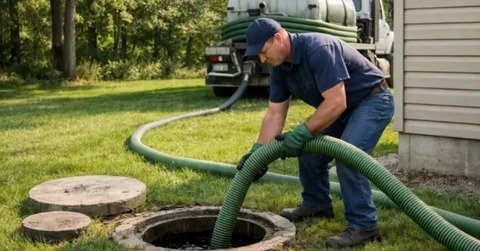
Professional septic pumping removes the accumulated material using specialized equipment. This service helps maintain the tank’s capacity and reduces the risk of solids moving into downstream pipes or the drain field. Excessive solids entering the drain field may contribute to clogging and drainage problems, potentially requiring more extensive work.
Pumping frequency varies according to several factors, including tank size, household occupancy, water consumption, and the amount of solid waste entering the system. Property owners should follow professional recommendations and applicable local guidance instead of assuming every tank needs service at the same interval. Keeping records of previous pumping appointments can help establish a useful maintenance history.
Pumping also provides an opportunity to identify visible concerns. Depending on the service and tank design, the technician may check accessible components, inspect filters, and note signs of leakage or deterioration. If a problem is discovered, further assessment may be recommended. Pumping should not be considered a complete solution for a system that has damaged pipes or a failing drain field.
3. Common Septic Problems That Require Repairs
Septic systems can develop several types of problems as components age or operating conditions change. Pipe blockages are a common concern, particularly when unsuitable materials, grease, or roots interfere with wastewater flow. When multiple plumbing fixtures drain slowly or repeatedly back up, a technician may need to investigate the main sewer line and other accessible components.
Tank-related problems can include damaged access covers, deteriorating connections, cracked components, or issues with inlet and outlet fittings. The correct repair depends on the tank’s construction, age, and condition. Because septic tanks can contain hazardous gases, internal inspection and repair should always be handled by appropriately trained professionals.
Drain field failures may require more extensive investigation. The drain field depends on suitable soil conditions to absorb and treat wastewater. If the soil becomes saturated or the system is damaged, wastewater may collect near the surface or return toward the property. Pumping may be necessary, but it will not necessarily restore a drain field that can no longer disperse wastewater properly.
Accurate troubleshooting helps ensure that repairs address the underlying cause of a problem. Before authorizing major work, property owners should ask the contractor to explain the inspection findings, describe the proposed solution, and provide a written estimate. Understanding the diagnosis helps homeowners compare options and avoid unnecessary expenses.
4. Warning Signs Your Septic System Needs Professional Attention
Several warning signs may indicate that a septic system requires pumping, repairs, or further inspection. Slow-draining toilets, showers, and sinks can suggest a blockage or a problem with the wastewater system. When multiple fixtures are affected, the issue may involve a shared plumbing line, the septic tank, or another component rather than a single drain.
Persistent sewage odors near the tank, inside the property, or around the drain field should also be investigated. Gurgling sounds, repeated backups, and wastewater returning through household drains may indicate that wastewater is not flowing properly. These symptoms can have several causes, so a professional assessment is important before choosing a repair.
Standing water or unusually wet soil around the drain field can indicate that wastewater is not dispersing as expected. Areas of grass that appear unusually green may also deserve attention when accompanied by other symptoms. If sewage surfaces in the yard, keep children and pets away from the affected area and arrange professional assistance promptly.
Do not wait for an emergency before taking action. Early assessment can help identify developing problems and clarify which services are necessary. Avoid opening the tank or attempting internal repairs yourself because toxic gases and confined-space conditions can create life-threatening hazards.
5. How to Prevent Frequent Pumping and Costly Repairs
Preventive maintenance can help reduce the likelihood of unexpected septic problems. Scheduling inspections and pumping according to the system’s needs allows technicians to monitor accumulated solids and identify potential concerns. Maintaining records of service dates, repairs, and inspection results also helps property owners track changes over time.
Water conservation is another important step. Excessive wastewater entering the tank in a short period can place pressure on the system and affect the drain field’s performance. Repair leaking plumbing fixtures, consider efficient appliances, and spread laundry loads throughout the week. These practices can help maintain a more balanced wastewater flow.
Proper waste disposal protects the pipes and tank. Cooking grease, oils, wet wipes, paper towels, hygiene products, and other unsuitable materials should not be flushed or washed into drains. Use cleaning products according to their instructions, and avoid disposing of large quantities of harsh chemicals through household plumbing.
Protect the drain field by keeping vehicles and heavy equipment away from the area unless the system’s design permits them. Avoid placing structures over the field where prohibited, and direct surface runoff away from it when appropriate. Trees and shrubs should be managed carefully to reduce the risk of roots entering septic pipes. These habits support better system performance and can help limit unnecessary repairs.
6. Selecting a Dependable Septic Pumping and Repair Company
Choosing a reliable septic contractor is important for ensuring that pumping and repairs are completed appropriately. Look for a provider with relevant experience, appropriate licensing where required, and suitable insurance. Local knowledge may also be valuable because soil conditions, groundwater levels, and regulations can influence septic system maintenance.
Before scheduling pumping, ask what the quoted service includes. Confirm whether the price covers waste removal and disposal, whether accessible components will be inspected, and whether additional charges may apply. For repair work, request an estimate that describes the problem, proposed solution, labor, materials, and possible extra costs.
A reputable contractor should explain the diagnosis clearly and avoid recommending major repairs without an appropriate assessment. If the proposed work is extensive or expensive, consider seeking a second professional opinion. The provider should also explain whether permits or inspections are required for the planned work.
After the service is completed, retain receipts, inspection reports, and repair details. These records help future technicians understand the system’s history and support more informed maintenance planning. Establishing an ongoing relationship with a qualified septic service company can make it easier to arrange routine pumping, respond to warning signs, and maintain the system over time.
Conclusion
Septic pumping and repair services are essential for maintaining reliable wastewater management and reducing the risk of unexpected system failures. Regular pumping removes accumulated solids, while professional repairs address damaged pipes, faulty components, and other problems that may interfere with system performance.
Property owners can protect their septic systems by recognizing warning signs, conserving water, disposing of waste responsibly, and scheduling maintenance according to professional recommendations. Choosing an experienced contractor also helps ensure that problems are diagnosed accurately and that repairs are appropriate for the system’s condition. With consistent maintenance and timely service, homeowners can support long-term septic performance, protect their property, and reduce the likelihood of costly repairs.