

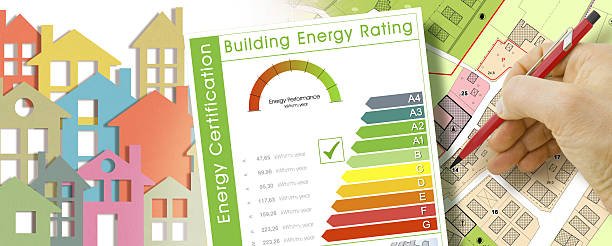

A Non Domestic Energy Performance Certificate helps show the energy efficiency of a commercial building. It provides information about how much energy a property is likely to use and where improvements may be possible.
This type of certificate is relevant to many commercial properties across the UK. Understanding how the assessment works can help property owners, landlords, tenants, and buyers prepare for the process.
What Is a Non Domestic Energy Performance Certificate?
A Non Domestic Energy Performance Certificate, often called a commercial EPC, provides an energy efficiency rating for a non-domestic building.
The certificate uses an energy rating scale. It also includes information about the building’s energy performance.
What Is a Non-Domestic Building?
A non-domestic building is generally a property used for commercial or other non-residential purposes.
Examples can include:
- Offices
- Shops
- Warehouses
- Restaurants
- Industrial buildings
- Public buildings
The exact requirements can depend on the building type and circumstances.
How Does the EPC Assessment Begin?
The assessment usually starts with a review of the building and its main energy-related features.
A qualified assessor collects information about the property during the assessment process.
Information About the Building
The assessor may consider the size and layout of the building.
They may also review the construction and different areas within the property.
Heating and Cooling Systems
Heating and cooling systems can affect a building’s energy performance.
The assessment may consider equipment such as heating systems, air conditioning, and ventilation.
What Features Are Considered?
Several building features can influence the energy rating.
Lighting
Lighting systems can affect overall energy consumption, especially in larger commercial buildings.
Energy-efficient lighting may influence the building’s performance.
Insulation
Insulation can help reduce heat loss through different parts of a building.
Walls, roofs, floors, and other building elements may be relevant to the assessment.
Windows and Glazing
Windows can influence heat loss and solar gain.
The type and condition of glazing can therefore affect energy performance.
How Is the Energy Rating Calculated?
The information collected during the assessment is entered into approved calculation software.
The software uses information about the building and its energy systems to produce an energy performance rating.
Understanding the Rating
The certificate provides a rating that helps people understand the building’s energy efficiency.
A better rating generally indicates stronger energy performance.
The certificate may also include recommendations for possible improvements.
What Happens After the Assessment?
Once the assessment is complete, the certificate is produced and registered through the relevant process.
Property owners can then use the certificate when required for the building.
Reviewing the Recommendations
Recommendations may identify possible ways to improve energy efficiency.
Examples can include improving lighting, insulation, heating equipment, or building controls.
Not every recommendation will be suitable for every building.
When Might a Non Domestic EPC Be Required?
A Non Domestic Energy Performance Certificate may be required when certain commercial properties are built, sold, or let.
The requirements can depend on the building type, size, use, and relevant regulations.
Selling a Commercial Property
Property owners may need to provide energy performance information when selling a qualifying commercial property.
Letting a Commercial Property
Landlords may also need to meet relevant energy performance requirements before letting certain buildings.
New Commercial Buildings
Newly constructed non-domestic buildings may also require an energy assessment as part of the building process.
Why Is an Accurate Assessment Important?
Accurate building information is important because it can affect the final energy rating.
Better Property Information
A certificate can provide useful information about the energy performance of a commercial building.
This information may help owners and occupiers understand areas where energy use could potentially be improved.
Supporting Property Decisions
Energy information can form part of wider property decisions.
However, an EPC should be considered alongside other relevant property information.
Preparing for an EPC Assessment
Good preparation can make the assessment process easier.
Gather Available Documents
Property plans and information about heating, cooling, lighting, and insulation may be useful.
Provide Access
The assessor may need access to different areas of the property.
Make sure suitable access is available where possible.
Keep Equipment Information Available
Information about installed systems can help support an accurate assessment.
Common Questions About Non Domestic EPCs
How Long Does the Assessment Take?
The assessment time can depend on the size, complexity, and layout of the building.
Smaller properties may require less time than larger commercial buildings.
Can the Energy Rating Be Improved?
Changes to building systems or energy-related features may improve future performance.
The effect of any improvement depends on the property and the work completed.
Is Every Commercial Building the Same?
No. Different buildings have different layouts, uses, construction methods, and energy systems.
This is why each assessment should consider the individual property.
Final Thoughts
A Non Domestic Energy Performance Certificate provides information about the energy performance of commercial buildings. The assessment considers different features, including the building structure, heating, cooling, lighting, and insulation.
Understanding how the process works can help property owners prepare for an assessment. Accurate information and suitable access can also support a smoother assessment process.
If you own, manage, buy, sell, or let a commercial property, understanding non-domestic energy performance requirements can help you make informed property decisions.